
SERVING ALL HR + WR POSTCODES
Professional Pest Control Services
in Herefordshire & Worcestershire
Award-winning, family-run pest control for homes and businesses across Herefordshire and Worcestershire. Government-endorsed, BPCA-accredited, RSPH-qualified technicians provide fast, discreet and effective treatment for rats, mice, wasps, bed bugs, fleas, cockroaches, ants, woodworm, squirrels and all other pests.

ECO-FRIENDLY
Safer solutions for your home, business and the environment.

PET-FRIENDLY
Treatments designed with your family & pets in mind.

AWARD-WINNING
Trusted across Herefordshire &
Worcestershire.

ACCREDITED
RSPH-qualified, BPCA & NPTA members, industry accredited.


AREAS WE COVER
Real results for homes and businesses
From family homes to hotels and HMOs, we've helped thousands of customers eliminate pests and protect their properties across Herefordshire & Worcestershire.

Every HR postcode
within 30 minutes.
Worcester in 30 minutes.
Worcestershire same day.
All towns, villages
and rural areas.
UNMARKED VEHICLES
Need discreet pest control?
PGM & Son provide local professional pest control for domestic homes, businesses, landlords and commercial premises, covering everything from common household pests to complex or recurring infestations. Every treatment is tailored to your property, the pest activity and the level of infestation. We focus on safe integrated pest management, prevention and long-term control.
Not sure what pest you have?
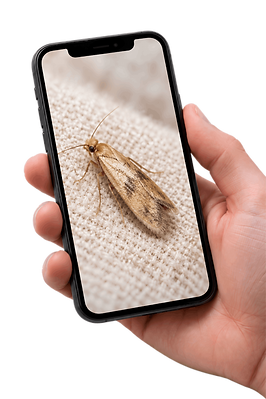
Don't worry if you can't identify it. Send us a photo or describe what you've found and our expert BPCA team will identify the pest and advise on what to do next.
Tell us details such as, where you found it, how many you've seen, when the problem started, and any signs of damage, droppings, nesting or pest activity.
YOUR PEST-FREE ZONE STARTS HERE
Find the pest control service you need
Ants
Ants are social insects that live in large colonies, often nesting beneath paving, in soil, wall voids and around kitchens where workers forage for food and moisture. Infestation signs include persistent ant trails, activity around entry points and nests near the property. Control combines species identification, targeted gel baits and insecticidal treatments, followed by proofing and hygiene advice to reduce reinfestation.
Bees
Bees are great for the environment and, as they are beneficial, we do not consider them to be a pest, and try to relocate at all times. If there is a risk to public health please contact us using our emergency call-out line.
Bed Bugs
Bed bugs are small, flat, blood-feeding insects that hide close to where people sleep, including mattresses, bed frames, headboards, furniture and cracks around skirting boards. Infestation signs include bites, dark faecal spotting, eggs, cast skins and live bugs. Control combines detailed inspection, targeted heat and steam treatment, residual insecticides and follow-up monitoring, with preparation and prevention advice to help break the lifecycle and reduce reinfestation.
Bird Control
Pest birds such as pigeons and gulls often roost, nest and foul roofs, ledges, gutters, warehouses and solar panels, creating hygiene, noise and property-damage problems. Infestation signs include droppings, nesting material, blocked gutters and repeated bird activity around favoured roosting points. Control combines detailed site surveys with humane bird proofing such as spikes, netting, deterrents and solar-panel protection, followed by cleaning, monitoring and prevention advice to discourage birds from returning.
Bird Mites
Bird mites are tiny, aggressive blood-feeding parasites that live in and around bird nests, feeding on chicks and adult birds before moving into buildings when nests are abandoned. Infestation signs include crawling mites, unexplained bites and activity around lofts, eaves or former nesting sites. Control combines nest removal, targeted insecticidal treatment, cleaning and disinfection of affected areas, followed by proofing and prevention advice to reduce reinfestation.
Carpet Beetle
Varied carpet beetles are small, rounded insects whose hairy larvae, known as “woolly bears”, feed on natural fibres such as wool, fur, silk, leather and feathers. Adults feed outdoors on pollen and nectar but may enter through open windows or on cut flowers to lay eggs in dark, undisturbed areas. Infestation signs include larvae, cast skins and irregular fabric damage. Control combines targeted insecticidal treatment, deep cleaning and removal of infested material, followed by monitoring and prevention advice to reduce reinfestation.
Carpet Moth
Carpet moths are small fabric pests whose larvae feed on wool, carpets, rugs and other natural fibres, particularly in dark, undisturbed areas beneath furniture and along carpet edges. Infestation signs include thinning or bare patches, webbing, larvae, cases and adult moth activity. Control combines targeted insecticidal treatments, deep cleaning and removal of affected material, followed by monitoring and prevention advice to reduce reinfestation.
Cluster Flies
Cluster flies are slow-moving flies that develop outdoors before entering buildings in autumn to overwinter in lofts, roof spaces and wall voids. Infestation signs include large numbers gathering around windows, roof spaces and warm upper rooms. Control combines targeted insecticidal treatment, fogging or ULV where appropriate, followed by proofing and sealing entry points to reduce future infestations.
Cockroach
Cockroaches are nocturnal pests that hide in warm, dark areas around kitchens, appliances, pipework and food preparation areas. Infestation signs include droppings, egg cases, shed skins and a distinctive odour. Control uses targeted gel baits, insecticidal treatments and monitoring traps, followed by hygiene and proofing advice to reduce reinfestation.
Fleas
Fleas are small, blood-feeding parasites that live on pets and in carpets, bedding and soft furnishings, where eggs and pupae can remain hidden. Infestation signs include bites, scratching pets and visible flea activity. Control uses targeted insecticidal treatments and whole-property fumigation or fogging where appropriate, followed by monitoring, cleaning and prevention advice to reduce reinfestation.
Flies
Flies are fast-breeding insects attracted to food waste, drains, refuse areas and decaying organic matter, where they can contaminate surfaces and spread bacteria. Infestation signs include persistent adult fly activity, larvae, breeding around drains or waste, and repeated activity near food areas. Control may include targeted insecticidal treatments, ULV or fogging, electric fly killers and fly screens, followed by hygiene, monitoring and proofing advice to reduce recurrence.
Hornets
European hornets are large social wasps that build nests in roof spaces, sheds, wall cavities and hollow trees, becoming defensive around the colony. Infestation signs include repeated hornet traffic, concentrated activity around an entry point and visible nest material. Treatment involves locating the nest and applying targeted professional insecticidal treatments, with removal where appropriate. PGM also deals with Asian hornets, including identification, nest location and appropriate control measures.
Loft Clearance
Pest infestations from rats, mice, squirrels or birds can leave loft spaces contaminated with droppings, urine, nesting material, carcasses and damaged insulation. Infestation signs include strong odours, fouled insulation, staining, pest debris and evidence of nesting. Clearance involves safe removal of contaminated waste and insulation, deep cleaning and disinfection of affected areas, followed by pest proofing, insulation replacement where required and prevention advice to reduce future infestations.
Moles
Moles are solitary burrowing mammals that tunnel through lawns, gardens and fields while searching for earthworms and other soil invertebrates. Infestation signs include molehills, raised surface tunnels and disturbed ground. Control typically involves professional trapping within active tunnel systems, followed by monitoring and advice to reduce further activity.
Moths
Stored-product moths such as Indian meal moths, grain moths and flour moths infest cereals, flour, grains, nuts and other dry foods. Infestation signs include webbing, larvae, clumped food and adult moth activity. Control combines removal of contaminated products, deep cleaning, targeted insecticidal treatment where appropriate and pheromone monitoring, followed by storage and prevention advice to reduce reinfestation.
Mice
House mice are small, highly adaptable rodents that can squeeze through gaps around 6 mm wide and often nest close to food, warmth and shelter. They are mainly active at night and frequently travel along walls, cupboards, lofts and service voids. Infestation signs include droppings, gnaw marks, scratching noises and nesting material. Control combines trapping, targeted rodenticides where appropriate and entry-point proofing, followed by monitoring and prevention advice to reduce reinfestation.
Pest Prevention
Pest prevention is a proactive approach that stops rodents, insects and other pests from entering, living or breeding in a property before an infestation develops. Prevention focuses on removing food, water and harbourage, sealing entry points and strengthening vulnerable areas, followed by monitoring and practical advice to keep pests out long term.
Pest Waste Cleaning
Pest infestations can leave behind droppings, urine, nesting material, carcasses and contaminated debris that may create odours, staining and hygiene risks. Signs include fouled surfaces, damaged insulation and persistent contamination after pest activity. Cleaning involves safe waste removal, deep cleaning, biocide disinfection and disposal of contaminated materials, followed by proofing and prevention advice to reduce future pest-related contamination.
Rats
Rats are intelligent, adaptable rodents that live close to food, water and shelter, often nesting in drains, sewers, lofts, wall voids and outbuildings. They are mainly nocturnal and can travel significant distances between harbourage and feeding areas. Infestation signs include droppings, gnaw marks, greasy run marks, burrows and scratching noises. Control combines trapping, CRRU-compliant rodenticides where appropriate, drain investigation and entry-point proofing, followed by monitoring and prevention advice to reduce reinfestation.
Silverfish
Silverfish are small, wingless insects that thrive in warm, humid areas such as bathrooms, kitchens, cupboards and lofts, feeding on starches found in paper, wallpaper paste, books and some fabrics. Infestation signs include silvery insects, shed skins and irregular feeding damage. Control combines targeted insecticidal treatment, harbourage treatment and moisture reduction, followed by monitoring and proofing advice to reduce reinfestation.
Squirrels
Hearing scratching noises in your loft or spotting insulation scattered across your attic? Grey squirrels are agile rodents that often enter lofts and roof spaces through damaged tiles, gaps in soffits or other access points, where they can nest and gnaw timber, wiring and insulation. Infestation signs include scratching noises, droppings, gnaw damage and disturbed insulation. Control combines trapping and other appropriate removal methods, followed by entry-point proofing, roof-space repairs and routine monitoring to reduce reinfestation.
Wasps
Wasps are social insects that build paper nests in roof spaces, wall cavities, sheds, trees and underground voids, with colonies becoming larger and more defensive through summer. Infestation signs include repeated wasp traffic to one entry point, visible nest activity and increased numbers around the property. Control involves locating the nest and applying professional insecticidal treatment directly to the colony, with nest removal where appropriate, followed by proofing and prevention advice to reduce future nesting.
Woodworm
Woodworm is caused by the larvae of wood-boring beetles that feed within timber, often remaining hidden for years before adult beetles emerge. Infestation signs include small exit holes, fresh frass, weakened timber and beetle activity. PGM carries out specialist woodworm surveys for homes and properties, identifying the beetle species and extent of damage before applying targeted timber treatments, followed by monitoring, moisture-control and prevention advice to protect against further infestation.
FAST & AFFORDABLE - WE'RE OPEN AND GENUINELY LOCAL
Choose PGM for pet friendly eco pest control
For same day assistance contact us. We are open every day, including weekends and bank holidays. The cost is clear before any work starts — no hidden fees, no surprises.
Further Information

Pest Control Reviews
Find out what PGM Pest Control customers are saying about our services. Trustpilot reviews

We're Here to Support You
NEED FURTHER HELP?
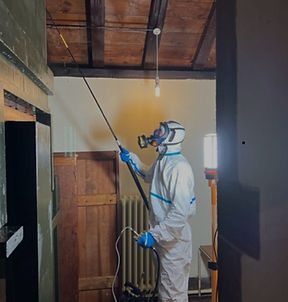
Speak to our expert team for free guidance on the best way forward. No pressure, no obligation — just honest advice, our team is just a call away.
TRUSTED | COMPLIANT | LOCAL TO YOU
INSPECT | DETECT | PROTECT