Dust Mite Problems?

Did you know that dust mites are the cause of most allergies in the UK? In the UK, house dust mites are indeed the most common trigger for year-round (perennial) allergies, such as allergic rhinitis and asthma.
While seasonal pollen allergies (hay fever) affect a large portion of the population during spring and summer, dust mites are found in all UK homes and cause symptoms throughout the year
Where might you find a mite?
House Dust Mite | Very common, they live on mattresses, feeding on tiny particles of shed skin. |
Furniture Mite | Found in damp upholstery. |
Flour Mite | Infests damp cereals, flour or pasta and causes “Grocer’s Itch”, in people who handle the infested items. |
Itch Mite or Scabies Mite | Causes Mange or Scabies in pets by burrowing into the skin, and causes an irritating rash. |
Bird Mites | Frequently enter houses from old nests of sparrows, starlings or house martins, or from poultry. |
Harvest Mites | May bite people if brought in on the coats of dogs or on clothing. |
Red Spider Mite | The most conspicuous mite that enters houses. A plant feeder which comes indoors in spring to seek egg-laying sites and again in autumn to hibernate. |
What can you do to avoid a mite infestation?
Time to de-clutter. Getting rid of unwanted items can also reduce the amount of dust in your home. Items rarely used collect dust. Dust mites like pillows, mattresses and blankets. Replacing them regularly is a good idea.
De-cluttering is also a good excuse to get rid of the things you never use and adopt a more minimalist approach. It will free up your time to do other things if you aren’t having to keep tidying, dusting and cleaning a bunch of stuff you’ll never use.
What to do with your clutter - One man’s junk is another man’s treasure!
Top 5 ideas for getting rid of your clutter:
Sell it on sites like ebay or gumtree to make a bit of cash. Or, pop down to your local car boot and sell your unwanted items there for extra cash.
Donate your unwanted but still in good condition items to friends, family or charity – let others benefit from them and help out the environment too!
Recycle your items so others can benefit from them – use local recycling options to help your local community benefit such as the recycling bins at your local fire station which will mean they benefit from a cash donation too
Make, do and mend – see if you can re-use items in your own home
Call In a local house clearance firm if your clutter really has got out of hand!
Wash items you can regularly. Bedding, curtains and toys can all harbour dust mites and can easily be popped in the washing machine. Hoover your carpets and clean them regularly with anti-mite shampoos – take care to read the label on any products you use which may also contain ingredients that may cause allergens.
Clean dusty surfaces. Take care to use a damp cloth to remove the dust rather than a feather duster which will simply move the dust from one place to another.
Air your bedding, clothing, rugs and curtains – preferably hang them outside in the fresh air and sunlight. Dust mites don’t like the direct sunlight, it kills them. As the spring descends on us, take the opportunity to throw open your doors and windows, let in the fresh air, start spring cleaning and hang out the textiles!
Letting in fresh air can also help to reduce humidity and lower the temperature in your home, both of which dust mites need to thrive. You can also invest in a dehumidifier if your property suffers from damp and / or rarely gets any sunlight.
Barely visible to the human eye mites have eight legs, a round body and are not noticeable until they have sufficient numbers to cause a major infestation.
Typically, mites hatch from a tiny egg as a six-legged nymph. They grow as they moult and gain another pair of legs in the process! Some species can survive starvation for up to six months.
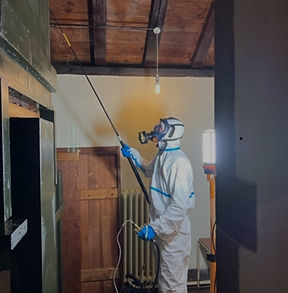
DIY treatments for mites are rarely successful. Pest Controllers have access to treatments that are not available to the general public.
If you’re experiencing a problem with mites for any other pest control problems in Herefordshire or Worcestershire call PGM & Son Pest Control Services on 01981 540088 or email us at contact@pgmpestcontrol.co.uk or use the PGM AI Pest Assist on the right hand side of your screen for free advice and support.