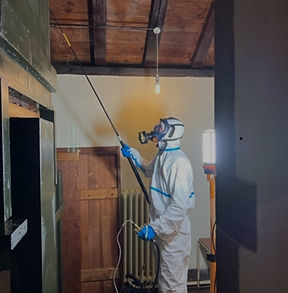
Getting ready to spring into your garden?
Updated: Feb 18

Did you know the box caterpillar and fuchsia mite top UK garden pests list?
In 2017, the box caterpillar and fuchsia mite topped the Royal Horticultural Society’s pest list and the RHS is predicting this will continue into 2018.
It’s easy to forget the role of the humble insect when you see your prize roses damaged but we’d urge you to consider what benefits insects provide and what your options for treating any infestation are prior to going ahead with use of insecticides.
There may be alternative solutions you haven’t considered that are better for the environment and the pests.
You can find out more information about the box caterpillar and fuchsia mite on our website
The RHS is also warning of the deadly bacterial disease called Xylella which has devastated plants and trees in parts of Southern Europe. The RHS is calling for greater controls at the border as, currently, UK citizens can bring back any plants grown in the EU.
So if you are going on holiday this year, think carefully before bringing home that clipping from the lovely plant, flower or tree you see abroad – it may cause a threat to the nation’s plants.
FAQs for Getting Ready to Spring into Your Garden
What common garden pests should I be aware of in spring?
In early spring gardens often see pests like box caterpillars and fuchsia mites, which have previously topped UK pest lists and can damage plants if left unmanaged.
Should I always use insecticides if I spot pests in my garden?
Not necessarily — the article highlights considering the ecological role of insects and exploring alternative or less harmful pest management options before automatically resorting to insecticides.
How can I protect plants from harmful pests without chemicals?
You can encourage beneficial insects, improve garden hygiene, use physical barriers, and choose plant varieties resistant to pests. Many pests can also be managed with non-chemical approaches that help maintain a balanced ecosystem.
Why is it important to think about plant disease risks like Xylella when gardening?
Plant diseases such as Xylella can devastate plants and trees; being cautious about bringing plant clippings from abroad helps reduce the risk of introducing harmful pathogens to the garden.
When should I consult a professional pest control service for my garden?
If you’re unsure about identifying a pest, worried about plant damage, or considering strong chemical controls, expert advice can help you choose appropriate and safe solutions tailored to your garden.