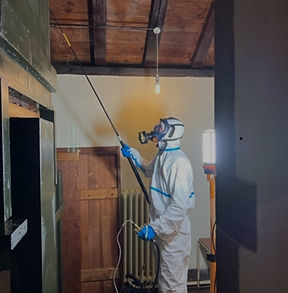
The UK Pest Calendar 2026 — Month-by-Month Pest Risk & Prevention Guide

Updated: May 27

Quick Navigation
Introduction | Understanding Pest Seasonality | Winter (Dec-Feb) | Spring (Mar-May) | Summer (Jun-Aug) | Autumn (Sep-Nov) | Year-Round Pests | Best Practices
Professional Guidance
🎧 Prefer to listen? Here’s the audio version of this article
As we enter into 2026, pest management professionals across the UK are continuing to observe notable shifts in seasonal pest activity patterns. Climate variations, urbanisation, and evolving pest behaviours mean that understanding when specific pests pose the greatest threat has never been more critical for both residential and commercial property owners.
As an award-winning pest control company and proud member of the British Pest Control Association (BPCA), PGM pest control has compiled this comprehensive seasonal guide based on field experience, industry research, and real-world data from thousands of callouts across Herefordshire and Worcestershire.
This guide will help you anticipate, prevent, and respond to pest threats throughout the year.
Reactive pest control is costly, disruptive, and often less effective than proactive management. By understanding the seasonal rhythms of UK pest activity, property owners can implement preventative measures at the optimal time, significantly reducing the likelihood of serious infestations.
For businesses, particularly those in food production, hospitality, and healthcare sectors, this knowledge is essential for maintaining regulatory compliance and protecting your reputation.
Download our free 2026 UK Pest Calendar infographic
Keep this essential information at your fingertips throughout the year.

Understanding Pest Seasonality in the UK
The United Kingdom's temperate maritime climate creates distinct seasonal patterns that directly influence pest behaviour. Temperature fluctuations, precipitation levels, daylight hours, and food availability all trigger specific behaviours in pest species—from breeding cycles to migration patterns and hibernation.
In 2026, we're continuing to observe the effects of climate change on traditional pest seasonality. Warmer winters mean extended activity periods for some species, whilst wetter summers can create ideal breeding conditions for others.
Recent Met Office data suggests that UK temperatures have risen by approximately 1.2°C since pre-industrial times, with winters becoming particularly milder. This shift has significant implications for pest management.
The economic impact of pest infestations in the UK is substantial. Research by Rentokil indicates that rodent damage alone costs UK businesses over £1 billion annually through structural damage, contaminated stock, and regulatory failures.
For homeowners, the average cost of treating a serious pest infestation ranges from £150 to £500, but can exceed several thousand pounds when structural repairs are factored in.
Professional pest control isn't simply about eliminating current problems—it's about implementing Integrated Pest Management (IPM) strategies that consider the biology and behaviour of pests alongside environmental factors. This evidence-based approach, endorsed by the BPCA and required under many regulatory frameworks, prioritises prevention, monitoring, and targeted intervention.
For businesses handling or serving food, pest control obligations are enshrined in law. The Food Safety Act 1990 and subsequent regulations make business operators responsible for ensuring their premises don't harbour pests that could contaminate food. Regular professional monitoring and documentation are not optional—they're legal requirements that protect public health and your business viability.
The Winter Threat: December-February
Winter months represent a critical period for pest management, particularly concerning rodent activity. As outdoor temperatures drop and natural food sources become scarce, rats and mice actively seek the warmth and abundant food supplies offered by human dwellings and commercial premises.
Rodents: The Primary Winter Concern
Norway rats (Rattus norvegicus) and house mice (Mus musculus) are the predominant rodent pests in UK properties during winter months. Both species are remarkably adaptable, capable of squeezing through gaps as small as 15mm (mice) and 25mm (rats). They're not merely looking for food—they're seeking optimal conditions for breeding, which can occur year-round in the stable temperatures found inside buildings.
The health risks associated with rodent infestations are significant and well-documented. Rats can transmit Leptospirosis (Weil's disease), Hantavirus, Salmonellosis, and Rat-bite fever. They contaminate surfaces with urine, droppings, and hair, posing particular risks in food preparation areas.
The Health and Safety Executive estimates that rodent-related diseases affect hundreds of UK residents annually, with Weil's disease alone causing several fatalities each year.
UK rat population estimates range from 7 million to 120 million
Structural damage from rodents can be catastrophic. Their constant gnawing behaviour—necessary to keep their continuously growing incisors manageable—means they attack electrical cables, water pipes, insulation, and wooden structures. Fire investigators recognise rodent damage to electrical wiring as a cause of residential fires, though exact statistics are difficult to determine as rodent involvement may not always be identified during post-fire investigations.
Pest control professionals are noting concerning trends in rodent populations. Some urban rat populations are showing resistance to traditional anticoagulant rodenticides, necessitating more sophisticated control strategies. Additionally, warmer winter temperatures in recent years have allowed some populations to remain active outdoors longer than historically typical, potentially increasing breeding cycles.
Professional rat management requires accurate identification of the species involved, assessment of harborage and nesting sites, and implementation of targeted control strategies. Baiting systems using slow-acting rodenticides allow rats to return to their nesting areas, where the active ingredient can be shared within the population, effectively reducing the colony by impacting breeding adults and juveniles.
Grey Squirrels
While often perceived as charming garden visitors, grey squirrels (Sciurus carolinensis) can cause extensive damage when they colonise roof spaces and lofts. Unlike rodents that typically remain hidden, squirrels are diurnal and create substantial noise disturbance. They strip insulation, gnaw wooden beams and electrical wiring, and their urine can stain ceilings.
It's important to note that grey squirrels are classified as an invasive non-native species under the Wildlife and Countryside Act 1981. Once trapped, it is illegal to release them back into the wild. Professional pest controllers must destroy trapped grey squirrels humanely in accordance with legal requirements.
Professional grey squirrel management involves correct species identification, evaluation of nesting and entry points, and the use of strategic control measures. Where permitted, targeted control methods are designed to reduce squirrel populations by intercepting individuals during normal foraging activity and addressing breeding adults, helping to prevent ongoing damage and reinfestation.
Cockroaches
German cockroaches (Blattella germanica) and Oriental cockroaches (Blatta orientalis) remain active throughout winter in heated buildings. These insects thrive in warm, humid environments, making commercial kitchens, bakeries, hospitals, and centrally heated homes ideal habitats.
Cockroaches are vectors for numerous pathogens including Salmonella, E. coli, and Staphylococcus. They're particularly problematic in food businesses, where a single sighting can trigger enforcement action from Environmental Health Officers. Their rapid reproductive rate—a single German cockroach can produce up to 30,000 offspring annually—means small problems can quickly become major infestations.
Professional cockroach management requires accurate species identification, location of harbourage areas, and the application of targeted treatment programmes. Gel baits containing slow-acting insecticides allow foraging cockroaches to return to their hiding places and nesting sites, spreading the active ingredient through contact and feeding behaviour, resulting in the effective control of adults, nymphs, and egg-producing females.
Professional Winter Recommendations
Professional pest management during winter focuses on exclusion, monitoring, and early intervention:
Building Surveys:
A comprehensive structural survey should identify all potential rodent entry points. Professional-grade proofing materials—including wire mesh, expanding foam with rodenticide, and metal kick plates—should be installed to vulnerable areas including airbricks, utility entries, gaps around pipes, door thresholds, and damaged drainage.
Monitoring Systems:
For commercial premises, particularly those in food sectors, continuous monitoring is essential. Tamper-resistant bait stations should be positioned at 5-10 meter intervals around building perimeters. Modern systems increasingly incorporate electronic monitoring that provides real-time alerts when stations are activated.
Sanitation and Housekeeping:
Eliminating food and water sources is fundamental to winter rodent control. This includes securing waste in rodent-proof containers, addressing water leaks promptly, storing dry goods in sealed containers, and maintaining rigorous cleaning protocols.
Documentation:
For businesses, maintaining detailed pest control records isn't optional. Environmental Health Officers will request evidence of regular professional monitoring, treatment records, and corrective actions during inspections.
Winter pest control should commence before the first cold snap. Rodent-proofing and monitoring systems installed in October and November will be significantly more effective than reactive treatments in January when infestations are established.
Spring Awakening: March-May
Spring brings a dramatic surge in pest activity as temperatures rise and insects emerge from overwintering. This period requires vigilance and proactive measures to prevent pest populations from establishing before they reach problematic levels in summer.
Ants: The Persistent Invaders
The black garden ant (Lasius niger) is Britain's most common ant species and a frequent household pest from March onwards. As colonies emerge from winter dormancy, worker ants begin foraging missions that often lead them into properties. They're attracted by sugary substances and proteins, establishing pheromone trails that can bring hundreds of ants marching through homes and businesses.
While garden ants are primarily nuisance pests, Pharaoh's ants (Monomorium pharaonis) pose serious concerns in hospitals, care homes, and food premises. These tiny yellow ants can transmit pathogens and are notoriously difficult to eliminate due to their habit of fracturing colonies when threatened.
Professional ant management requires identification of the species involved, location of nest sites, and strategic treatment plans. Gel baits containing slow-acting insecticides allow foraging ants to return to nests and distribute the active ingredient throughout colonies, eliminating queens and brood.
Flies: Early Season Activity
Cluster flies (Pollenia rudis) that hibernated in lofts and roof voids through winter become active in spring, emerging into living spaces. Simultaneously, house flies (Musca domestica) begin breeding outdoors as temperatures permit.
Flies are efficient disease vectors, capable of transmitting over 100 pathogens including Salmonella, E. coli, Campylobacter, and Shigella. A single fly can carry millions of bacteria on its body and legs. In commercial kitchens and food retail environments, flying insect control is a regulatory requirement, typically achieved through UV light traps, insect screens, and rigorous sanitation.
Professional fly management for house flies and cluster flies involves correct species identification, assessment of breeding and resting sites, and the implementation of targeted control measures. Treatment programmes focus on reducing adult populations and interrupting breeding cycles through the strategic use of residual insecticides, baits, and environmental controls, helping to prevent ongoing infestation and nuisance activity.
Textile Pests: Silent Destroyers
Spring marks the beginning of significant activity for clothes moths and carpet beetles, two pests that cause substantial economic damage to textiles, carpets, and natural fiber furnishings.
The common clothes moth (Tineola bisselliella) and case-bearing clothes moth (Tinea pellionella) lay eggs on natural fibers. Emerging larvae feed voraciously on wool, silk, fur, and feathers. A single female can lay 40-50 eggs, with larvae feeding for several months before pupating.
Carpet beetles—including the varied carpet beetle (Anthrenus verbasci) and furniture carpet beetle (Anthrenus flavipes)—follow similar patterns. Their larvae cause damage to carpets, upholstery, and stored textiles. Heritage properties, museums, and high-end retail spaces are particularly vulnerable.
Professional treatment for textile pests combines insecticidal treatment with environmental management, including temperature control, regular vacuuming, and appropriate storage of vulnerable items.
Professional carpet beetle management requires accurate species identification, identification of larval harbourage and feeding areas, and the application of targeted treatment programmes. Control strategies focus on eliminating larvae and adults through the use of residual insecticides and thorough treatment of affected materials and surrounding areas, helping to prevent fabric damage and reinfestation.
Nesting Birds
From March through August, most wild bird species are protected under the Wildlife and Countryside Act 1981. It is illegal to damage or destroy active nests, eggs, or chicks. This makes early spring the critical period for implementing bird deterrent systems before nesting begins.
Feral pigeons, seagulls, and starlings commonly nest on buildings, creating health hazards through their droppings, which can harbor Cryptococcosis, Histoplasmosis, and Psittacosis. Nesting materials can block gutters and drainage systems, whilst acidic droppings damage stonework and paintwork.
Professional bird control specialists install deterrent systems including anti-perching spikes, netting, wire systems, and visual deterrents. The key is installation before nesting behaviour begins—once nests are established, they cannot legally be disturbed until young have fledged.
Woodlice and Silverfish
Increased spring rainfall drives woodlice (Oniscus asellus and others) to seek shelter indoors. While harmless to humans, their presence indicates moisture problems that require attention.
Silverfish (Lepisma saccharina) are primitive insects that thrive in damp conditions, feeding on starches, glues, and cellulose. They're commonly found in bathrooms, kitchens, and storage areas with poor ventilation.
Both pests signal underlying damp issues. Professional silverfish treatment addresses the moisture source through improved ventilation, damp-proofing, and dehumidification, alongside targeted insecticidal treatments where necessary.
Professional Spring Recommendations
Preventative Treatments:
Spring is the optimal time for residual insecticidal treatments to vulnerable areas before pest populations peak. Professional-grade products provide months of protection when applied correctly.
Bird Proofing:
Survey buildings for potential nesting sites and install deterrents before March. Waiting until nests are established creates expensive delays and potential legal issues.
IPM Protocols:
For commercial premises, spring requires review and updating of Integrated Pest Management documentation, ensuring monitoring schedules are appropriate for increased seasonal activity.
Staff Training:
For businesses, spring is ideal for refreshing staff awareness of pest prevention protocols, proper waste management, and reporting procedures.
Structural Maintenance:
Address any winter damage to buildings that could create pest entry points or harbourage. Pay particular attention to damaged roof tiles, cracked rendering, and deteriorated seals around doors and windows.
Early intervention in spring prevents exponentially larger problems in summer. Pest populations that establish in March and April will have reproduced multiple times by July, making them significantly harder and more expensive to eliminate.
High Summer Activity: June-August
Summer represents peak pest activity across nearly all species. Warm temperatures accelerate breeding cycles, increase food availability, and maximise insect activity. For pest management professionals, this is the busiest season, with residential and commercial callouts reaching annual highs.
Wasps: Public Health Priority
The common wasp (Vespula vulgaris) and German wasp (Vespula germanica) colonies reach their maximum size during high summer, with large nests containing 5,000-10,000 workers. Queens that began nest building in April now preside over aggressive colonies that defend their nests vigorously.
Wasp stings send thousands of UK residents to hospital annually, with anaphylactic reactions proving fatal in rare cases. Wasps are attracted to sugary foods and drinks, making outdoor dining areas, beer gardens, and food festivals particularly problematic locations.
Unlike bees, which can sting only once, wasps can sting repeatedly and release pheromones that summon other colony members to join attacks. Nests located near doorways, in lofts, or within cavity walls pose significant risks.
Professional wasp nest treatment requires appropriate personal protective equipment, specialised insecticidal formulations, and understanding of wasp behaviour. Accessible nests can be treated with insecticidal dust or foam that workers carry into the nest. Difficult locations—including cavity walls or underground nests—may require injection treatments or alternative strategies.
DIY wasp nest treatment is extremely dangerous and frequently results in accidents
The British Pest Control Association strongly advises professional treatment for all wasp nests, pest advice for controlling wasps.
Bed Bugs: The Travel Pest
Bed bugs (Cimex lectularius) have resurged dramatically across the UK over the past two decades, with infestations increasing by over 400% since the early 2000s. Summer holiday travel is a primary vector for bed bug introduction, with insects hitchhiking in luggage, clothing, and personal belongings.
These parasitic insects feed exclusively on blood, typically during nighttime hours. While they don't transmit diseases, their bites cause significant distress, allergic reactions in some individuals, and severe psychological impacts. The stigma associated with bed bugs can devastate hospitality businesses, with social media reviews and health inspector reports capable of destroying reputations overnight.
Hotels, hostels, student accommodation, and residential care facilities are high-risk environments. Modern bed bug strains show resistance to many conventional insecticides, necessitating sophisticated treatment protocols.
Professional bed bug treatment typically combines multiple approaches: heat treatment (raising room temperatures to 56°C+ to kill all life stages), residual insecticides, insecticidal dusts for void spaces, and steam treatment for furniture. Multiple treatments are usually required, with follow-up inspections essential to confirm eradication.
Prevention in hospitality settings requires staff training in bed bug identification, regular room inspections, mattress encasements, and immediate response protocols when bugs are detected. Professional bed bug swab testing service is advantageous for these businesses.
Fleas: Pet and Wildlife Vectors
The cat flea (Ctenocephalides felis) is the most common flea species affecting UK properties, despite its name, it readily feeds on dogs, humans, and other mammals. Summer's warm conditions allow rapid flea development, with eggs hatching in as little as two days.
Flea life cycles occur primarily off the host animal, with eggs, larvae, and pupae developing in carpets, soft furnishings, and pet bedding. Adult fleas can lie dormant in pupal cases for months, emerging when vibrations or carbon dioxide indicate a host is present. This explains why people entering long-vacant properties often experience immediate flea attacks.
Professional flea treatment requires whole-house approaches that address all life stages. Insecticidal treatments must include residual products that remain active for weeks to kill emerging adults. Pet treatments by veterinary professionals should run parallel to environmental treatments.
Flying Ants: Spectacular But Brief
Flying ant day—typically occurring on warm, humid days in July or August—sees millions of winged reproductive ants take to the air simultaneously for mating flights. While spectacular and sometimes alarming, flying ants are largely harmless and short-lived phenomena.
The flights last only a few hours, after which mated queens land, shed their wings, and attempt to establish new colonies. Males die shortly after mating. No pest control treatment is necessary during flying ant emergencies, though professional ant treatments may be warranted if established colonies are causing issues around properties.
Stored Product Insects
Warmer summer temperatures create ideal conditions for stored product insects including flour beetles, grain weevils, biscuit beetles, and Indian meal moths. These pests infest dry food products, pet food, birdseed, and even dried flowers.
Commercial food storage and retail facilities must maintain enhanced vigilance during summer months. Pheromone monitoring traps provide early warning of infestation development, allowing intervention before product contamination becomes extensive.
Professional commercial pest control treatment requires identification of infestation sources, disposal of contaminated stock, thorough cleaning of storage areas, and residual treatment where appropriate. Modern IPM approaches increasingly incorporate pheromone disruption technologies that interfere with insect mating, preventing population growth without reliance on insecticides.
Garden and Outdoor Pests
Summer brings peak activity for slugs, snails, foxes, and nuisance birds. While often considered garden pests rather than structural concerns, these animals can cause significant economic damage and health concerns.
Urban foxes overturn waste containers, scatter refuse, and can become aggressive when habituated to human presence. Their feces can contain Toxocara, a parasite that poses risks to human health, particularly children.
Professional fox management focuses on waste security, deterrents, and environmental modification rather than control measures. The fox is not classified as a pest species, though property owners may take action against foxes causing damage under certain circumstances.
Professional Summer Recommendations
Enhanced Monitoring:
Commercial premises should increase monitoring frequency during summer months. Weekly inspections of monitoring stations, fly units, and vulnerable areas allow rapid detection of emerging problems.
Staff Awareness:
Summer staff in hospitality and food sectors often include temporary workers unfamiliar with pest prevention protocols. Comprehensive induction training is essential.
Waste Management:
Higher temperatures accelerate decomposition, making waste management critical for fly and rodent prevention. Bins should be emptied frequently, cleaned regularly, and sited away from building entrances.
Customer Communication:
For hospitality businesses, discreet protocols for handling pest incidents are essential. Staff should know how to respond to customer concerns without creating alarm or controversy.
Emergency Response:
Summer holidays and weekend events mean pest problems can emerge when businesses are closed or short-staffed. Relationships with 24/7 professional pest control services are invaluable for urgent situations.
Heat and Hygiene:
Summer heat can exacerbate hygiene challenges. Refrigeration failures, increased condensation, and thermal stress on food storage systems all create pest risks that require proactive management.
Summer pest control is fundamentally about prevention through enhanced sanitation, exclusion, and monitoring. Reactive summer pest control is expensive, disruptive, and often less effective than proactive spring preparation.
Autumn Preparation: September-November
Autumn represents a transitional period as pests respond to shortening days, falling temperatures, and changing food availability. Many species prepare for winter by seeking indoor harbourage, creating a second seasonal surge in pest activity.
Rodents: Second Invasion Wave
The autumn rodent surge rivals winter activity as rats and mice seek overwintering sites. Agricultural activity including harvest operations disperses rodent populations from fields toward buildings, creating pressure on urban and suburban properties.
Professional rodent control in autumn focuses on the same principles as winter management: exclusion, monitoring, and targeted baiting. However, autumn offers the advantage of preventing establishment before the coldest weather arrives.
For rural properties and farms, autumn rodent control is critical to protecting stored crops and animal feed. Professional pest control contractors work with agricultural clients to implement comprehensive rodent management programs that protect stored yields and prevent economic losses.
Cluster Flies
Cluster flies deserve special attention in autumn as they seek hibernation sites in lofts, roof voids, and wall cavities. Unlike common flies, cluster flies are parasites of earthworms during their larval stage, emerging as adults in late summer and seeking protected spaces for winter.
Cluster fly invasions can involve thousands of insects accumulating in roof spaces. While they don't breed indoors and pose no health risks, their sheer numbers and tendency to emerge into living spaces during warm spells create significant nuisance.
Professional cluster fly treatment involves residual insecticides applied to roof spaces and entry points before flies enter buildings. Once flies are hibernating in voids, treatment options become limited. Some specialists use space treatments with aerosol insecticides, though results vary.
The best cluster fly management combines professional treatment with building improvements that reduce entry points. Sealing gaps around soffits, fascias, and ridge tiles prevents future invasions.
Professional Autumn Recommendations
Pre-Winter Proofing:
Autumn is the final opportunity to rodent-proof buildings before winter pressure begins. Professional surveys should identify vulnerable areas requiring attention.
Roof Space Treatments:
For properties with history of cluster fly problems, professional treatment should occur in September or early October before flies aggregate in roof spaces.
Drainage Maintenance:
Clear gutters, drains, and drainage systems to prevent water accumulation that attracts pests and creates damp conditions.
Review and Update:
For commercial premises, autumn is ideal for reviewing annual pest control contracts, updating risk assessments, and planning for the year ahead.
Garden Management:
Cut back vegetation touching buildings, remove leaf litter from around foundations, and eliminate harbourage that could shelter rodents and insects through winter.
Waste Strategy:
Prepare for reduced autumn daylight and wetter conditions by reviewing waste storage and collection arrangements. Ensure bins are rodent-proof and positioned to prevent pest attraction.
Autumn pest management is fundamentally about preparation. The actions taken in September through November determine how problematic pest pressure will be during the challenging winter months ahead.
Year-Round Vigilance: Persistent Threats
While seasonal patterns are pronounced for many pest species, several remain active throughout the year in urban environments, requiring continuous vigilance and management.
Urban Cockroaches
Cockroach infestations in heated buildings show no seasonal variation in activity. German cockroaches, in particular, breed continuously in warm environments, with females producing egg cases containing 30-40 eggs every few weeks.
The restaurant, hotel, and healthcare sectors face constant cockroach pressure. Professional monitoring and management programs operate year-round, with monthly service visits standard for high-risk premises.
Modern cockroach management combines gel baiting, insect growth regulators, residual spraying, and increasingly, heat treatments for severe infestations. Documentation is critical for demonstrating due diligence to regulators.
Bed Bugs in High-Turnover Properties
Hotels, hostels, student accommodation, and social housing face year-round bed bug pressure. Every new guest or resident represents potential introduction risk.
Progressive hospitality operators implement comprehensive bed bug management programs including staff training, regular inspections, mattress encasements, and protocols for rapid response when bugs are detected. The cost of prevention is insignificant compared to reputation damage from infestations.
Persistent Rodent Populations
Major UK cities support substantial resident rodent populations that remain active throughout the year. Underground railway systems, sewer networks, and commercial food districts provide stable environments that override seasonal pressures.
Commercial premises in urban centers require year-round professional rodent monitoring and management. The BPCA recommends monthly service visits for high-risk premises, with bait stations checked and documentation maintained at each visit.
Indoor Flying Insects
Modern buildings with stable temperatures support year-round activity for various fly species. Drain flies, fruit flies, and phorid flies breed in organic material within drainage systems, waste areas, and neglected cleaning locations.
Professional fly management for commercial premises operates continuously, combining UV light traps, drainage treatments, sanitation protocols, and exclusion measures.
Birds in Urban Environments
Feral pigeons, seagulls, and other urban birds create year-round management challenges. Their droppings damage buildings, create slip hazards, and harbor pathogens. Nesting materials block gutters and create fire risks.
Professional bird management combines deterrent systems (spikes, netting, wire, and visual deterrents) with environmental modification to eliminate food sources and nesting opportunities.
2026 Specific Updates and Emerging Concerns
Climate Change Impacts:
The UK's changing climate continues to affect pest seasonality. Extended warm periods allow additional breeding cycles for insects, whilst milder winters reduce natural population control. Pest management professionals are adapting protocols to account for these shifts. How climate change will affect pests and diseases.
Invasive Species Monitoring:
Several non-native pest species warrant attention in 2026. The Asian hornet (Vespa velutina), first detected in the UK in 2016, remains under intensive monitoring with national eradication programs active. The brown marmorated stink bug, a significant agricultural pest, has been intercepted at UK ports and could establish populations if introduced.
Resistance Development:
Continued evolution of pesticide resistance, particularly in rodents and cockroaches, necessitates sophisticated management strategies. Professional pest controllers increasingly rely on molecular diagnostics to identify resistance profiles and select appropriate control agents.
Regulatory Changes:
The UK's evolving regulatory framework following Brexit continues to develop. Professional pest controllers must stay current with changes to approved products, application requirements, and documentation standards.
Technology Integration:
Modern pest management increasingly incorporates technology including remote monitoring systems, thermal imaging for pest detection, and data analysis platforms that identify trends and optimise treatment protocols.
Public Health Preparedness:
The COVID-19 pandemic highlighted the importance of pest control in maintaining sanitary conditions. Professional pest control services are now recognised as essential services that must continue operating during public health emergencies.
Industry Best Practices and BPCA Standards
Professional pest management in the UK operates within a framework of industry standards, regulatory requirements, and best practice guidance established by organisations including the British Pest Control Association (BPCA), Chartered Institute of Environmental Health (CIEH), and relevant government departments.
Integrated Pest Management Principles
IPM represents the gold standard in modern pest control, prioritised by the BPCA and required under various regulatory frameworks including the EU Sustainable Use of Pesticides Directive (retained in UK law post-Brexit).
Integrated Pest Management (IPM) operates on a hierarchical approach: prevention through design and management practices, monitoring to detect problems early, physical and biological control methods where appropriate, and finally, targeted application of pesticides when necessary as part of a comprehensive strategy.
This approach moves away from calendar-based routine pesticide applications toward evidence-based interventions triggered by monitoring data. The result is reduced pesticide use, improved environmental outcomes, and more effective long-term pest management.
When to Call a Pest Professional
While minor pest issues can sometimes be managed through DIY methods, professional pest control is essential for:
Rodent infestations in residential or commercial properties
Any pest problem in food handling or healthcare facilities
Wasps nests, particularly those inside buildings
Bed bug infestations
Cockroach problems
Bird infestations and nest removal (due to legal protections)
Any situation where pesticide application is required
Persistent problems where DIY treatments have failed
Professional pest controllers bring essential expertise including pest identification, behavior knowledge, product selection and application, legal compliance, and safety procedures that protect building occupants and the environment.
Selecting a Qualified Pest Controller
The pest control industry unfortunately includes unqualified operators who lack proper training, insurance, and regulatory compliance.
Property owners should verify several factors when selecting pest control services:
BPCA Membership:
Member companies commit to professional standards, maintain insurance, use qualified technicians, and submit to regular audits. The BPCA maintains a searchable directory of member companies.
Qualifications:
Professional technicians should hold relevant qualifications such as the BPCA Level 2 Award in Pest Management or equivalent certifications. Many specialists hold additional qualifications in specific areas like bird control or fumigation.
Insurance:
Comprehensive public and professional liability insurance is essential. Minimum cover should be £5 million for public liability.
Risk Assessment:
Professional contractors provide written risk assessments and method statements (RAMS) before commencing work, particularly for commercial clients. These documents outline hazards, control measures, and safe working procedures.
Documentation:
Professional service includes detailed reporting of findings, treatments applied, and recommendations for corrective actions. For commercial clients, this documentation is essential for regulatory compliance.
Business Compliance Requirements
Businesses have legal obligations regarding pest control that extend well beyond residential requirements:
Food Safety Regulations:
Food business operators must ensure premises are pest-free. This requires regular professional monitoring, documented treatment records, and corrective actions when issues are identified.
Health and Safety:
Employers must assess risks from pest activity and implement control measures. This includes protecting employees from disease vectors, preventing physical injuries from pest-related hazards, and ensuring safe working environments.
Due Diligence Defense:
Should pest-related enforcement action occur, demonstrating due diligence requires evidence of regular professional pest control, staff training, and appropriate response to identified issues.
Housing Standards:
Landlords must ensure rental properties are free from pest infestations. Local authority licensing schemes often include specific pest control requirements.
Record-Keeping Standards
Professional pest management generates significant documentation that serves multiple purposes:
Service Reports:
Each service visit should produce a written report detailing inspection findings, pest activity levels, treatments applied, and recommendations. Modern electronic reporting systems allow real-time documentation accessible to clients via online portals.
Monitoring Data:
Trends in pest activity inform decision-making. Monitoring data tracked over time reveals seasonal patterns, identifies emerging problems, and demonstrates program effectiveness.
Product Records:
Documentation of pesticide applications including product names, active ingredients, application rates, and target pests is essential for regulatory compliance and traceability.
Corrective Action Logs:
When issues are identified requiring client action (structural repairs, sanitation improvements, etc.), these should be documented with follow-up verification of completion.
Training Records:
For businesses, staff pest awareness training should be documented with attendance registers and refresher training scheduled appropriately.
Comprehensive documentation protects both clients and contractors. For businesses, these records demonstrate compliance to regulators, provide evidence for due diligence defenses, and support continuous improvement of pest management programs.
Conclusion: Proactive Pest Management for 2026
Effective pest control in 2026 requires understanding the seasonal rhythms that drive pest behaviour while remaining adaptable to changing patterns influenced by climate, urbanisation, and evolving pest populations. The PGM seasonal guide provides the knowledge foundation for proactive pest management that prevents infestations rather than merely reacting to established problems.
The economic, health, and reputational impacts of pest infestations make professional pest management an essential investment rather than an optional expense.
For businesses:
Particularly those in food, hospitality, and healthcare sectors, professional pest control represents a fundamental component of regulatory compliance and operational excellence.
For homeowners:
Proactive seasonal pest management protects property values, prevents costly damage, and provides peace of mind that families are protected from pest-related health risks.
As we progress through 2026, the pest management industry will continue to evolve. Climate change extends traditional pest seasons and introduces new species concerns.
Pesticide resistance necessitates more sophisticated control strategies
Regulatory frameworks continue developing, requiring professional expertise to navigate compliance requirements.
Professional pest controllers bring not merely technical expertise in pest elimination, but comprehensive knowledge encompassing pest biology, behaviour, environmental management, building construction, and regulatory compliance.
This expertise, combined with access to professional-grade products and equipment unavailable to the general public, delivers results that DIY approaches cannot match.
Your Free 2026 UK Pest Calendar
Understanding when specific pests pose the greatest threat allows targeted prevention at optimal times. Our downloadable 2026 UK Pest Calendar provides at-a-glance reference to seasonal pest activity, prevention tips, and indicators that professional intervention may be needed.
Download your free calendar today and keep it accessible throughout the year. Share it with colleagues, employees, or family members to ensure everyone understands seasonal pest risks and appropriate responses.
Take Action Against Pests Today, Not Tomorrow
Don't wait for pest problems to develop before taking action. Proactive pest management is invariably more effective, less disruptive, and more cost-efficient than reactive responses to established infestations.
For residential clients:
Schedule a comprehensive pest inspection and property survey to identify vulnerabilities before pests exploit them. Residential pest management programs provide year-round protection tailored to your property's specific risks.
For commercial clients:
Review your current pest management arrangements against the standards outlined in this guide. Are you receiving monthly service visits? Is documentation comprehensive and accessible? Does your contractor employ IPM principles? If gaps exist, we recommend you experience the difference professional pest management delivers.
For immediate pest concerns:
Emergency response team operates 24/7 to address urgent pest situations. Whether it's a wasp nest threatening safety, rodent activity in food storage areas, or any other pest emergency, BPCA pest technicians respond rapidly with effective solutions.

Document Version: 1.0
Publication Date: January 2026
Next Review Date: January 2027
To cite this article in academic or professional publications, please use:
PGM & Son Pest Control Services (2026). The UK Pest Calendar 2026: Expert Seasonal Guide from Award-Winning Pest Controllers in Herefordshire. Retrieved from www.pgmpestcontrol.co.uk
Disclaimer: This guide provides general information about seasonal pest activity in the UK. Specific pest pressures vary by location, property type, and individual circumstances. Professional pest control advice should be sought for specific situations. Product recommendations and treatment protocols should only be implemented by qualified pest management professionals. This document does not constitute professional pest control advice for specific situations.