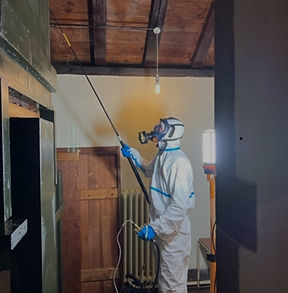
Types of Ants in the UK: Complete Identification Guide

Updated: May 18
Overview & Navigation
Ant identification is fundamental to effective pest management across the United Kingdom. Whilst ants play vital ecological roles in our environment, certain species can pose significant challenges to homeowners, businesses, and public health facilities when they establish themselves in inappropriate locations.
🎧 Prefer to listen? Here’s the audio version of this article
This comprehensive guide has been developed by PGM Pest Control to assist property owners, facilities managers, and pest control professionals in identifying the most common ant species encountered in the UK.
Understanding the differences between species is crucial, as each requires distinct management approaches. Misidentification can lead to ineffective treatment, wasted resources, and prolonged infestations, particularly with challenging species such as Pharaoh’s ants.
PGM remains committed to promoting professional standards in integrated pest management and encouraging evidence-based approaches to ant control. We strongly advocate for the involvement of qualified pest control professionals, particularly when dealing with persistent infestations or species of public health concern.
Introduction
Ants are among the most successful insects on Earth, with over 60 species recorded in the United Kingdom. Whilst the vast majority of these species live harmoniously within our ecosystems, contributing to soil aeration, seed dispersal, and natural pest control, a handful have adapted to exploit human environments.
When ants enter our homes, contaminate food supplies, or establish colonies within commercial premises, they transition from beneficial insects to significant pests.
Current accepted figure
Britain hosts approximately 51 native ant species, with additional introduced species bringing the total to around 60+ recorded species.
61 native and established species are generally recognised in modern UK checklists.
Up to 65 species if including:
rare accidental introductions
historic records
species confined to heated buildings (e.g. tropical ants)
The UK has relatively low ant diversity compared with southern Europe because of the cooler climate.
Most UK species belong to a few dominant genera:
Lasius (garden ants)
Myrmica (red ants)
Formica (wood ants)
Temnothorax (small cavity nesters)
Breakdown by status chart
This reflects current BWARS-supported understanding as of March 2026.
Category | Approx. number |
Native outdoor species | 55 |
Rare/scarce natives | 6 |
Introduced indoor species | 3–5 |
Total recorded | 61–65 |
The importance of accurate identification cannot be overstated. Different ant species exhibit vastly different behaviours, nesting preferences, and colony structures. A treatment approach that successfully eliminates Black Garden Ants may prove entirely ineffective against Pharaoh’s Ants, potentially causing colony fragmentation and worsening the infestation.
Similarly, the discovery of protected wood ant species on a development site requires careful consideration of conservation obligations rather than control measures.
Ant Species Commonly Encountered in UK Homes and Buildings Chart
Common name | Scientific (Latin) name | Notes |
Lasius Niger | Most common UK household ant | |
Myrmica Rubra | Often confused with wood ants | |
Lasius Flavus | Mostly lives underground | |
Hypoponera Punctatissima | Indoor species, often in warm buildings | |
Monomorium Pharaonis | Persistent indoor pest species | |
Tapinoma Melanocephalum | Rare in UK outdoors; occurs in heated buildings | |
Formica Rufa Species Group | Includes Formica rufa, Formica polyctena, Formica aquilonia | |
Camponotus Herculeanus (UK native) | Mostly found in Scotland’s forests |
For homeowners, early identification enables informed decisions about whether DIY methods might suffice or whether professional assistance is necessary.
For businesses, particularly those in the food industry or healthcare sector, rapid and accurate identification is essential for maintaining hygiene standards, protecting brand reputation, and ensuring regulatory compliance.
For pest control professionals, precise identification underpins the selection of appropriate control strategies and helps set realistic client expectations regarding treatment timescales and outcomes.
This guide focuses on the species most commonly encountered in pest control contexts, alongside those of particular concern due to their behaviour, distribution, or impact.
Understanding these species will enable readers to make informed decisions about ant management and recognise when professional expertise is required.
Understanding Ant Biology and Behaviour
Before examining individual species, it is helpful to understand the fundamental biology and behaviour that all ants share. Ants are social insects belonging to the family Formicidae, living in organised colonies that can range from a few dozen individuals to hundreds of thousands.
Colony Structure
Ant colonies operate as superorganisms, with distinct castes performing specialised roles. The queen is the reproductive centre of the colony, capable of living for many years and producing thousands of eggs. In some species, colonies may contain multiple queens, significantly increasing their reproductive potential and resilience.
Worker ants, which are sterile females, perform all colony maintenance tasks including foraging, brood care, nest construction, and defence. Male ants exist primarily for reproduction, developing from unfertilised eggs and typically appearing only during the reproductive season.
Life Cycle and Seasonal Patterns
Ants undergo complete metamorphosis, progressing through egg, larval, pupal, and adult stages. The duration of this development varies by species and environmental conditions, typically taking several weeks to months.
In the UK, most ant species exhibit pronounced seasonal activity patterns. Colony activity increases in spring as temperatures rise, peaks during summer months, and declines in autumn as ants prepare for winter dormancy.

The most visible manifestation of ant reproductive activity is the emergence of flying ants, often referred to as “flying ant day,” though this is somewhat of a misnomer.
Whilst there is often a peak period in July or August when weather conditions are optimal, flying ants may appear over several weeks. These winged individuals are reproductive males and virgin queens embarking on nuptial flights.
After mating, males die, and fertilised queens shed their wings to establish new colonies.
Foraging Behaviour and Food Preferences
Ants are remarkably adaptable in their dietary habits. Many species exhibit a preference for sweet substances, feeding on honeydew produced by aphids or seeking out sugary foods in human environments. Others are predatory or scavengers, feeding on proteins from dead insects or food waste.
Some species, such as Black Garden Ants, adjust their dietary preferences seasonally, favouring proteins during brood-rearing periods and carbohydrates at other times.
Foraging ants lay chemical trails using pheromones, enabling other workers to locate food sources efficiently. These trails explain why ants often appear in large numbers, following the same route to and from a food source.
The trails can persist for extended periods, continuing to attract ants even after the original food source has been removed.
Nesting Habits
UK ant species demonstrate diverse nesting preferences. Many native species nest outdoors in soil, creating networks of tunnels and chambers beneath the surface. Others nest in rotting wood, under stones, within cavity walls, or in the fabric of buildings.
Some species, particularly introduced tropical species like Pharaoh’s Ants, are obligate indoor nesters in the UK, requiring the constant warmth of heated buildings to survive.
Understanding these fundamental aspects of ant biology provides essential context for the species profiles that follow, helping to explain why different ants behave as they do and why management approaches must be tailored accordingly.
Most Common UK Ant Species
Black Garden Ant (Lasius Niger)
At a glance
Black Garden Ant
Latin name: Lasius niger
Size: Workers 3–5 mm; queens up to 9 mm
Colour: Glossy black; some workers slightly dark brown
Key features: Smooth, rounded thorax; elbowed antennae; nests in soil or under stones
Habitat/Notes: Very common in gardens and urban areas; forms large colonies
The Black Garden Ant is by far the most commonly encountered ant species in the UK, responsible for the overwhelming majority of ant-related enquiries to pest control companies. This species is native to the UK and has adapted remarkably well to human environments whilst maintaining significant populations in natural habitats.
Physical Identification Characteristics
Workers measure 4-5mm in length and are dark brown to black in colour, with a slightly lighter brown coloration on the legs and antennae. The body has a smooth, shiny appearance with sparse, short hairs.

Queens are significantly larger at 15mm and are similarly coloured.
When viewed under magnification, Black Garden Ants have a single, small, rounded bump (petiole) between the thorax and abdomen, and they lack a sting, though they can bite if handled roughly.
Distribution and Habitat Preferences
This species is found throughout the UK in virtually every habitat type, from urban centres to rural farmland. They are supremely adaptable and opportunistic in their nesting site selection.
Outdoors, they typically nest in soil, often beneath paving slabs, stones, or at the edges of lawns where the soil is warmer and drier. They may also nest in rotting wood, compost heaps, or within the roots of plants.
Indoors, they may establish satellite nests in cavity walls, beneath flooring, or in other sheltered locations, though the main colony typically remains outside.
Nesting Behaviour and Colony Size
Black Garden Ant colonies are typically monogynous (containing a single queen) and can grow to contain 5,000-15,000 workers, though larger colonies have been recorded. The queen can live for up to 30 years under optimal conditions, making these some of the longest-lived insects in the UK.
Colonies mature slowly, typically taking 4-5 years before producing flying ants.
Once mature, colonies produce flying ants annually, usually during warm, humid weather in July and August, contributing to the phenomenon of “flying ant day.”
When They Become a Pest Concern
Black Garden Ants become problematic when they enter buildings in search of food. They are particularly attracted to sweet substances but will also feed on proteins. Foraging workers follow chemical trails, often appearing in large numbers once a food source is located.
Whilst they do not pose direct health risks and do not transmit diseases, they can contaminate food preparation areas and stored foods.
Their presence can be distressing to householders and damaging to business reputations, particularly in the hospitality and retail sectors.
Garden infestations can also cause concern when ants farm aphids on ornamental plants or food crops, protecting them from predators to harvest their honeydew. This relationship can lead to increased aphid populations and associated plant damage.
Management Considerations
For minor incursions, thorough cleaning to remove food sources and disrupt pheromone trails may suffice. However, established colonies require more comprehensive approaches.
Surface sprays have limited effectiveness as they do not reach the colony.
Gel baits containing slow-acting insecticides allow foraging workers to transport the toxin back to the nest, achieving colony elimination.
External treatments around building perimeters can create barriers to foraging ants.
Professional pest controllers can identify entry points, locate nest sites, and implement targeted treatments that provide long-term control rather than temporary relief. PGM Pest Control recommends professional involvement for persistent or recurrent infestations.
Red Ant (Myrmica Rubra)
At a glance
Red Ant
Latin name: Myrmica rubra
Size: Workers 4–5 mm
Colour: Reddish-brown body, darker abdomen
Key features: Distinct nodes (petiole and postpetiole) between thorax and abdomen; stinger visible
Habitat/Notes: Often found in lawns and damp meadows; can bite if disturbed
Red Ants, also known as European Fire Ants, are significantly more aggressive than Black Garden Ants and possess a painful sting, making them a more serious concern when encountered in residential gardens, community parks, or recreational areas.
Identification Features and Distinguishing from Other Species
Workers measure 4-5mm in length, similar in size to Black Garden Ants, but are reddish-brown in colour rather than black. The body has a more matt appearance with noticeable body hairs.

Queens measure 6-7mm, making them less dramatically larger than workers compared to other species.
A key distinguishing feature is the presence of two small bumps (petiole nodes) between the thorax and abdomen, visible under close examination.
Unlike Black Garden Ants, Red Ants possess a functional sting.
Habitat and Nesting Sites
Red Ants prefer damper conditions than Black Garden Ants and are commonly found in grassland, woodland edges, gardens, and parks. They nest in soil, often in lawns, beneath logs, or under stones. Their nests are less conspicuous than those of some other species, with minimal surface disturbance. In gardens, they may nest in rockeries, raised beds, or beneath garden features.
Stinging Behaviour and Public Health Implications
When their nest is disturbed, Red Ants respond aggressively, with multiple workers delivering painful stings. The sting produces a burning sensation and can result in localised swelling, redness, and itching that may persist for several days. For most people, these stings are painful but not dangerous.
Individuals with allergies may experience more severe reactions requiring medical attention
The aggressive nature of Red Ants makes them particularly problematic in areas used by children, such as school playing fields, parks, and residential gardens. Nests in lawns can make gardening or recreational activities unpleasant or impossible.
Control Challenges and Professional Approaches
Red Ant colonies can be polygynous, containing multiple queens, which makes them more resilient to control efforts and capable of rapid recovery if treatment is incomplete. Colony sizes typically range from a few hundred to several thousand workers.
Control requires locating all nest sites, which can be challenging as colonies may occupy multiple interconnected nests. Insecticidal dusts applied directly to nests can be effective, as can baiting programmes using protein-based baits. Surface sprays are generally ineffective and may cause colony fragmentation, worsening the problem.
Due to the painful stings and the complexity of ensuring complete colony elimination, professional pest control is strongly recommended for Red Ant infestations, particularly in public spaces or areas frequented by vulnerable individuals.
Yellow Meadow Ant (Lasius flavus)
At a glance
Yellow Meadow Ant
Latin name: Lasius flavus
Size: Workers 2–3 mm
Colour: Yellowish to light golden brown
Key features: Small, smooth-bodied; very little pigmentation; antennae elbowed
Habitat/Notes: Usually nests underground in grassy areas, rarely forages above ground
The Yellow Meadow Ant is a fascinating species that rarely comes into conflict with humans due to its subterranean lifestyle, though its presence is often indicated by the characteristic mounds it creates in grassland.
Physical Description and Identification
Workers are small, measuring 2-4mm in length, and are pale yellow to yellowish-brown in colour. Queens are larger at approximately 7-9mm and are similarly coloured.

The entire body is covered in fine, short hairs, giving it a slightly furry appearance.
Due to their subterranean lifestyle, Yellow Meadow Ants are rarely seen above ground, and identification typically occurs when nests are excavated.
Subterranean Lifestyle and Soil Mounds
Yellow Meadow Ants live almost entirely underground, constructing extensive tunnel systems in the soil. They rarely venture to the surface, instead feeding on the honeydew produced by root aphids, which they tend in their underground chambers. This mutualistic relationship provides the ants with a reliable food source without the need for surface foraging.
The most visible evidence of Yellow Meadow Ant colonies is the distinctive mounds of excavated soil they create, which can reach 40cm in height and 1m in diameter in undisturbed grassland. These mounds develop over many years as the colony grows and can persist for decades. In well-maintained lawns, mounds are typically smaller and may be regularly mown, making them less obvious.
Limited Pest Status
Yellow Meadow Ants rarely become pests as they have minimal interaction with human activities. Occasionally, their mounds may be considered unsightly in formal lawns or may interfere with sports fields and golf courses. Very rarely, if nests are disturbed during construction or landscaping work, flying ants may emerge in large numbers, causing temporary concern.
Ecological Role in UK Grasslands
These ants play important ecological roles, contributing to soil structure and nutrient cycling. Their extensive tunnelling aerates the soil, and their mounds create micro-habitat diversity that benefits other invertebrates and plants. The mounds are often colonised by specialist plant species adapted to the particular soil conditions created by the ants.
Given their limited pest status and ecological value, control is rarely necessary or desirable. If mounds genuinely interfere with land use, they can be dispersed by repeated raking and levelling, though this may need to be repeated as ants continue to excavate. Complete colony elimination is rarely justified and is best avoided to preserve the ecological benefits these ants provide.
Roger’s Ant (Hypoponera Punctatissima)
At a glance
Roger’s Ant
Latin name: Hypoponera Punctatissima
Size: Workers 3–4 mm
Colour: Dark brown with slightly reddish thorax
Key features: Strongly ridged thorax; two nodes on petiole; compact, stocky body
Habitat/Notes: Nests under stones, pavements, or urban areas; active foragers
Roger’s Ant is a small, cryptic species that has become established in the UK, primarily in heated buildings, though it remains relatively uncommon and is often overlooked due to its small size and secretive nature.
Characteristics of This Small Indoor Species
Workers are extremely small, measuring only 2-3mm in length, making them among the smallest ants encountered in UK buildings.

buildings.
They are dark brown to black in colour with a slender body shape. The antennae have a distinctive club at the end, and the body has a matt appearance.
Their small size and shy nature mean they are often misidentified or not noticed at all.
Typical Locations Found
In the UK, Roger’s Ant is almost exclusively found indoors in heated buildings, particularly in areas with high humidity such as bathrooms, kitchens, and plant rooms. They nest in small cavities within the building fabric, including wall voids, beneath skirting boards, and in other concealed locations. Colonies are typically small, containing a few dozen to a few hundred workers.
Why Identification Is Often Overlooked
Due to their minute size, slow movement, and tendency to remain hidden in cracks and crevices, Roger’s Ants often go unnoticed even when present. They may be dismissed as “just dirt” or confused with other small invertebrates. When identification is sought, their unusual morphology can initially puzzle even experienced pest control professionals unfamiliar with the species.
Whilst they do not pose significant health risks or cause structural damage, their presence indicates suitable conditions for other pest species and may cause concern in sensitive environments such as hospitals or food production facilities.
Control follows similar principles to other indoor ant species, focusing on locating and treating nest sites and eliminating conducive conditions. Professional identification and treatment is advisable to ensure the species is correctly identified and distinguished from more problematic species.
Pharaoh’s Ant (Monomorium Pharaonis)
At a glance
Pharaoh’s Ant
Latin name: Monomorium Pharaonis
Size: Workers 2 mm
Colour: Yellowish to light brown, darker abdomen tip
Key features: Very small; two-segmented petiole; antennae with 12 segments and 3-segmented club
Habitat/Notes: Indoor species; nests in warm, humid buildings; difficult to control
The Pharaoh’s Ant represents one of the most challenging pest species encountered in the UK and is a matter of serious concern within healthcare facilities, food production environments, and other sensitive premises.
Identification of this Invasive Tropical Species
Pharaoh’s Ant workers are very small, measuring only 1.5-2mm in length, making them among the smallest ants in UK buildings. They are pale yellow to light brown in colour with darker abdominal bands and have a characteristic two-segmented petiole.

Queens are slightly larger at 3.5-5mm and darker in colour.
The small size, pale colouration, and indoor occurrence distinguish them from most other UK species.
Why They’re a Serious Concern in Heated Buildings
Originating from tropical regions, Pharaoh’s Ants cannot survive outdoors in the UK climate and are exclusively found in heated buildings.
They thrive in the constant warmth of hospitals, care homes, blocks of flats, commercial kitchens, and other centrally heated premises.
Their small size enables them to penetrate almost any gap, allowing access to sterile environments, sealed food containers, and medical supplies. They have been documented carrying pathogenic bacteria including Salmonella, Staphylococcus, and Streptococcus, making them a genuine vector for disease transmission.
In healthcare settings, they have been found in wound dressings, IV lines, and entering the beds of immobilised patients, presenting serious infection control challenges.
Distribution in UK Hospitals, Care Homes, and Commercial Premises
Whilst less common than Black Garden Ants, Pharaoh’s Ants are established in numerous buildings across the UK, particularly in urban areas. Once introduced, often through incoming goods or transfers of equipment between facilities, they spread rapidly through interconnected buildings via ducting, pipe runs, and cavity walls.
A single building may harbour multiple interconnected colonies containing numerous queens.
Disease Transmission Risks
The ability of Pharaoh’s Ants to mechanically transmit pathogenic microorganisms is well-documented. They are attracted to moisture and a wide variety of foods, including those found in healthcare and food production environments. They have been found feeding on wound exudates, soiled dressings, and other contaminated materials before walking across clean surfaces, sterile equipment, and food preparation areas.
This combination of small size, disease transmission potential, and ability to access sensitive areas makes Pharaoh’s Ants one of the few ant species classified as a public health pest in the UK.
Why Professional Management Is Essential
Pharaoh’s Ant colonies exhibit a survival strategy called “budding,” where colonies fragment when threatened, with queens and workers splitting off to form multiple new colonies. This means that inappropriate control methods, particularly the use of residual insecticide sprays, can transform a single colony problem into a building-wide infestation.
Effective control requires a coordinated approach using specifically formulated baits containing slow-acting insecticides. These baits must be placed in all areas of ant activity and left undisturbed for weeks or months whilst workers transport the bait back to feeding queens and brood.
Treatment programmes typically extend over three to six months and require meticulous monitoring and bait replenishment.
Attempts at DIY control of Pharaoh’s Ants are strongly discouraged and are likely to exacerbate the problem. PGM Pest Control unequivocally recommends that only experienced, qualified pest control professionals undertake Pharaoh’s Ant treatments, ideally those with specific experience managing this species. Building managers should engage professionals at the first sign of infestation to prevent widespread establishment.
Ghost Ant (Tapinoma Melanocephalum)
At a glance
Ghost Ant
Latin name: Tapinoma Melanocephalum
Size: Workers 1.3–1.5 mm
Colour: Head dark brown to black; body and legs pale/translucent
Key features: Tiny and delicate; smooth thorax; rapid movement
Habitat/Notes: Indoor and outdoor; often found in kitchens and greenhouses
The Ghost Ant is an emerging pest species in the UK, increasingly encountered in heated buildings, particularly in urban areas. Whilst still less common than Pharaoh’s Ants, their numbers appear to be growing.
Identification Features
Ghost Ant workers are tiny, measuring 1.3-1.5mm in length. They have a distinctive appearance with a dark brown to black head and thorax contrasted against pale, almost translucent legs and abdomen, giving rise to their common name.

This bicoloured appearance makes them relatively easy to identify despite their small size.
They move rapidly and somewhat erratically.
Indoor Occurrence Patterns
Like Pharaoh’s Ants, Ghost Ants are tropical in origin and cannot survive UK outdoor conditions, restricting them to heated buildings.
They favour warm, humid environments and are commonly found in kitchens, bathrooms, and other areas with moisture. They nest in extremely small cavities, including behind skirting boards, in wall voids, beneath flooring, within potted plants, and even inside hollow curtain rails or picture frames.
Ghost Ants are attracted to sweet substances and can become a nuisance in homes and businesses, contaminating food and appearing in large numbers.
Whilst not associated with disease transmission to the extent of Pharaoh’s Ants, their presence in food preparation areas is nonetheless unacceptable from a hygiene perspective.
Control Complexities
Like Pharaoh’s Ants, Ghost Ant colonies can contain multiple queens and will bud when threatened, making inappropriate control methods counterproductive. Colonies are highly mobile, readily relocating nest sites when disturbed.
This mobility, combined with their small size and ability to nest in the tiniest cavities, makes locating all nest sites extremely challenging.
Control requires gel baiting programmes similar to those used for Pharaoh’s Ants, combined with efforts to reduce moisture and eliminate food sources. Professional assistance is strongly recommended, as DIY attempts using residual sprays typically worsen the problem by causing colony fragmentation and dispersal.
Wood Ants (Formica Rufa Species)
At a glance
Wood Ants
Latin name: Formica Rufa Species
Size: Workers 4–9 mm; queens 9–12 mm
Colour: Red thorax, black abdomen; sometimes orange highlights
Key features: Large, robust body; strong mandibles; prominent eyes
Habitat/Notes: Forest species; mound-building; important in ecosystem for pest control
Wood ants represent a group of several related species, most notably the Southern Wood Ant (Formica rufa) and the Hairy Wood Ant (Formica lugubris).
These are among the UK’s most impressive ant species but are of conservation concern rather than pest status in most circumstances.
Physical Characteristics of Common Wood Ant Species
Wood ants are large and distinctive. Workers measure 6-10mm in length, whilst queens can reach 12mm.

They have a characteristic bicoloured appearance with a reddish-brown thorax and head contrasted against a darker brown to black abdomen.
The body is covered with dense hairs, particularly noticeable on the abdomen.
They possess powerful mandibles and can spray formic acid in defence, which produces a distinctive vinegar-like smell when nests are disturbed.
Protected Status and Conservation Importance
Several wood ant species are of conservation concern in the UK, with the Narrow-headed Ant (Formica exsecta) listed as endangered and should be afforded protection under the Wildlife and Countryside Act 1981.
Other wood ant species, whilst not legally protected, are considered important components of woodland ecosystems and indicators of ancient woodland.
Wood ants build impressive mounds constructed from pine needles, twigs, and other plant material, which can exceed one metre in height and house colonies of 100,000 to 400,000 workers. These mounds are engineering marvels, maintaining stable internal temperatures and humidity through careful ventilation management.
These ants play crucial ecological roles as predators of other invertebrates, including many forest pests, and as prey for birds and other wildlife. Their foraging activities influence woodland structure and nutrient cycling.
When Removal or Management Is Necessary
Wood ants rarely conflict with human activities, as they inhabit woodland and heathland habitats. Occasionally, nests may be encountered on development sites or near buildings constructed in formerly wooded areas.
Very rarely, foraging workers may enter buildings, though they do not establish indoor nests.
Their powerful bite and ability to spray formic acid can make them a nuisance if nests are near footpaths, picnic areas, or residential gardens. The acid spray can cause skin irritation and temporary vision problems if it contacts the eyes.
Legal Considerations
Before any control measures are contemplated, the specific species must be identified to determine whether it has protected status. If protected species are present, disturbance or destruction of nests is illegal without appropriate licensing. Even for non-protected species, conservation considerations should be paramount.
Where nests genuinely conflict with legitimate human activities, relocation rather than destruction should be considered, though this requires specialist expertise.
Physical barriers can prevent foraging ants from accessing buildings. In most cases, education about the conservation value and ecological importance of wood ants leads to tolerance and appreciation rather than demands for removal.
PGM Pest Control strongly advises consultation with conservation organisations and local authorities before any action is taken regarding wood ant nests, and recommends involving professional ecologists in decision-making processes.
Carpenter Ant (Camponotus Species)
At a glance
Carpenter Ant
Latin name: Camponotus spp.
Size: Workers 6–12 mm; queens larger
Colour: Usually black or dark brown; some species have red thorax
Key features: Large, smooth-bodied; rounded thorax; single node petiole
Habitat/Notes: Nest in wood (dead or damp); do not eat wood but excavate it
Carpenter Ants are a significant concern due to their wood-damaging behaviour, though they remain relatively uncommon in the UK compared to other European countries and North America.
Physical Identification Characteristics
The most commonly encountered species in the UK is Camponotus ligniperdus, though other species may occasionally be found.

Workers exhibit considerable size variation (polymorphism) within colonies, ranging from 6mm to 13mm in length.
They are black or dark brown with a characteristic large, heart-shaped head when viewed from above.
The thorax is smoothly rounded without spines, and the body has a sparse covering of pale hairs.
Queens are substantially larger at 15-18mm
Distribution and Habitat Preferences
In the UK, Carpenter Ants are primarily found in woodland habitats, particularly in Scotland and northern England, though scattered populations exist elsewhere.
They naturally nest in dead or decaying wood, particularly in tree stumps, fallen logs, and standing dead trees. Unlike termites, which consume wood, Carpenter Ants excavate it to create galleries for nesting, feeding instead on honeydew from aphids and other insects.
Occasionally, they may establish nests in buildings, particularly older properties with wooden structural elements that have been compromised by moisture or fungal decay. They preferentially excavate wood that has already been softened by rot, though they will extend galleries into sound wood adjacent to damaged areas.
Nesting Behaviour and Colony Size
Carpenter Ant colonies develop slowly, typically taking 3-6 years to mature. Mature colonies contain 2,000-10,000 workers, though some may grow considerably larger.
Colonies are typically monogynous with a single queen
They may establish satellite colonies connected to the parent nest, complicating control efforts. In buildings, the parent colony is often located outdoors in tree stumps or woodpiles, with satellite colonies in the building structure.
This arrangement allows the outdoor colony to support the indoor satellites with resources. Workers travel considerable distances between nests, up to 100 metres or more, following established trails.
Structural Damage Potential
Whilst Carpenter Ants do not consume wood and therefore cause damage more slowly than termites, long-established colonies can create extensive gallery systems that compromise structural integrity. Damage is typically concentrated in wood affected by moisture or fungal decay, such as window frames, door frames, roof timbers near leaks, and floor joists in areas with plumbing problems.
The presence of Carpenter Ants often indicates pre-existing moisture problems that require attention regardless of ant control measures. Their excavation activities can exacerbate existing structural weaknesses.
Evidence of Carpenter Ant activity includes the appearance of fine sawdust (frass) beneath exit holes, faint rustling sounds within wooden structures, and the presence of large black ants, particularly during evening hours when they are most active.
Management Considerations
Effective Carpenter Ant control requires identifying and treating all colony locations, both parent and satellite nests. This can be challenging as nests may be concealed within building structures or located outdoors. Observing foraging workers and following them back to nest sites is often necessary.
Ant Treatment options include insecticidal dusts applied directly into galleries, residual sprays on foraging trails and surfaces, and baiting programmes. However, the success of these methods depends on accurate nest location and understanding of colony structure.
Critically, addressing underlying moisture problems is essential for long-term control. Repairing leaks, improving ventilation, and replacing damaged wood removes the conditions that attract and support Carpenter Ants.
Due to the structural implications and the complexity of locating and treating all nest sites, professional pest control involvement is strongly recommended for Carpenter Ant infestations. Pest control professionals can conduct thorough inspections, use specialised detection methods, and implement comprehensive treatment programmes whilst coordinating with building contractors to address moisture issues.
PGM Pest Control recommends that property owners who suspect Carpenter Ant activity seek professional assessment promptly to determine the extent of any infestation and associated structural damage before problems become severe.
Quick Ant Identification Guide
Accurate identification begins with careful observation. When attempting to identify ants, consider the following characteristics:
Size:
Worker ant size provides an initial sorting criterion.
Very small ants (1-3mm) include Pharaoh’s Ants, Ghost Ants, and Roger’s Ants.
Medium-sized ants (4-6mm) include Black Garden Ants, Red Ants, and Yellow Meadow Ants.
Large ants (6mm and above) include wood ants and Carpenter Ants.
Colour:
Colour can be distinctive but note that it varies with lighting and the ant’s age. Black or very dark brown ants include Black Garden Ants, Roger’s Ants, and Carpenter Ants.
Reddish-brown ants include Red Ants and wood ants (particularly thorax). Pale yellow to light brown ants include Yellow Meadow Ants and Pharaoh’s Ants.
Bicoloured ants include Ghost Ants (dark head and thorax, pale abdomen) and wood ants (reddish thorax, darker abdomen).
Location:
Where ants are found provides crucial identification clues. Ants found only indoors in heated buildings are likely Pharaoh’s Ants or Ghost Ants. Ants encountered primarily in gardens and entering buildings seasonally are likely Black Garden Ants. Ants in lawns, particularly if they sting, are likely Red Ants.
Ants creating mounds in grassland are likely Yellow Meadow Ants. Ants in or near decaying wood, particularly in woodland, may be Carpenter Ants or wood ants.
Nesting Sites:
Observing nesting behaviour aids identification.
Soil nests under paving or at lawn edges suggest Black Garden Ants.
Soil nests in lawns and grassland suggest Red Ants or Yellow Meadow Ants.
Nests in building cavities, particularly in heated areas, suggest Pharaoh’s Ants or Ghost Ants.
Nests in decaying wood suggest Carpenter Ants (UK buildings) or wood ants (woodland). Large mounds of plant material in woodland indicate wood ants.
Behaviour:
Behavioural observations can be diagnostic. Aggressive ants that sting when disturbed are likely Red Ants. Ants that rarely appear above ground but create soil mounds are likely Yellow Meadow Ants.
Very small, pale ants in large numbers in kitchens or hospitals suggest Pharaoh’s Ants. Bicoloured ants that move rapidly and erratically suggest Ghost Ants. Large black ants appearing in sawdust near wood suggest Carpenter Ants.
Species | Worker Size | Colour | Indoor/Outdoor | Key Features |
Black Garden Ant | 4-5mm | Black/dark brown | Primarily outdoor, enters buildings | Most common; smooth appearance; no sting |
Red Ant | 4-5mm | Reddish-brown | Outdoor | Stings; hairy appearance; prefers damp areas |
Yellow Meadow Ant | 2-4mm | Pale yellow | Outdoor | Subterranean; creates mounds; rarely seen |
Pharaoh’s Ant | 1.5-2mm | Pale yellow/light brown | Indoor only | Very small; slow-moving; serious pest |
Ghost Ant | 1.3-1.5mm | Bicoloured | Indoor only | Dark head/thorax, pale abdomen; rapid movement |
Roger’s Ant | 2-3mm | Dark brown/black | Indoor only | Very small; rarely noticed; clubbed antennae |
Wood Ant | 6-10mm | Bicoloured | Outdoor woodland | Large mounds; spray formic acid; conservation concern |
Carpenter Ant | 6-13mm | Black/dark brown | Outdoor and buildings | Variable size; nest in wood; structural pest |
Common Misidentifications
Black Garden Ants are sometimes mistaken for Carpenter Ants, though Carpenter Ants are considerably larger and have a distinctively shaped head.
Pharaoh’s Ants and Ghost Ants may be confused due to small size, but their colouration differs significantly.
Red Ants and wood ants both have reddish colouration but differ greatly in size and habitat.
Yellow Meadow Ant workers are rarely seen, so their mounds may be attributed to other species or non-ant causes.
When to Seek Professional Identification
Professional identification is advisable when species identification is uncertain, particularly if pest control measures are being considered, when ants are present in healthcare or food production facilities, if structural damage is suspected, or when protected species might be present.
Misidentification can lead to inappropriate and ineffective control measures, wasted resources, and potentially illegal actions if protected species are involved.
Ant-Related Concerns and Risks
Whilst ants are fascinating and ecologically important insects, certain species in certain contexts present legitimate concerns that justify control measures.
Structural Damage Potential
Carpenter Ants represent the primary structural concern in the UK, excavating wood to create nesting galleries. Whilst damage develops more slowly than that caused by wood-boring beetles or termites, long-established colonies can compromise structural elements, particularly when wood has been pre-weakened by moisture or decay.
Some ant species, including Black Garden Ants, occasionally nest within insulation materials, beneath flooring, or in cavity walls, potentially causing minor damage to building fabric. Yellow Meadow Ant mounds may undermine paving or create uneven surfaces on sports fields.
Food Contamination and Hygiene Issues
Ants foraging in kitchens, food storage areas, or food production facilities present contamination risks. Whilst most UK species are not significant disease vectors, ants walking across unsanitary surfaces before traversing food preparation areas or entering food containers can transfer bacteria mechanically.
The presence of ants in food businesses is aesthetically unacceptable to customers and can result in regulatory action, prosecution, and severe reputational damage.
A single image of ants in a restaurant or food shop shared on social media can have devastating consequences for businesses
In domestic settings, contamination of stored foods necessitates disposal, resulting in waste and expense. The psychological distress caused by finding ants in food or appearing in large numbers within homes should not be dismissed.
Public Health Implications
Pharaoh’s Ants represent a genuine public health concern in healthcare settings, capable of transmitting pathogenic bacteria and accessing sterile environments, wound sites , and vulnerable patients. Their presence in hospitals, care homes, and similar facilities is unacceptable and requires immediate professional intervention.
Red Ant stings, whilst rarely life-threatening, cause pain and distress. For individuals with allergies, stings can trigger anaphylactic reactions requiring emergency medical treatment. The presence of Red Ant nests in areas used by children or vulnerable adults presents a safeguarding concern that must be addressed.
Electrical Equipment Damage
Some ant species, particularly Pharaoh’s Ants and Ghost Ants, are attracted to electrical equipment, possibly due to the warmth generated or electromagnetic fields. They have been documented nesting within computers, telephone exchanges, electrical control panels, and other equipment.
Their presence can cause short circuits, equipment malfunction, and fire risks. The accumulation of dead ants and debris within sensitive equipment can lead to costly failures and downtime.
Economic Impact on Businesses
Beyond direct damage and health concerns, ant infestations carry significant economic consequences for businesses. Treatment costs, particularly for challenging species like Pharaoh’s Ants, can be substantial and extend over many months. Production or operational downtime during treatment affects revenue.
Contaminated stock must be disposed of, representing direct financial losses. Failed inspections or regulatory action can result in prohibition notices, fines, and prosecution.
Perhaps most damaging is the reputational impact. In an era of instant social media communication, a single ant sighting can rapidly escalate into a public relations crisis. Customer loss following publicised infestations can far exceed the direct costs of the infestation itself.
For these reasons, businesses in food production, hospitality, healthcare, and retail sectors must maintain vigilant pest monitoring programmes and respond swiftly to any signs of ant activity. The cost of prevention and early intervention is invariably lower than the cost of managing established infestations and their consequences.
When to Contact a Professional
Understanding when professional pest control involvement is necessary versus when homeowners might reasonably manage minor ant problems themselves is important for both effective pest management and efficient resource allocation.
Signs of Significant Ant Infestation
Professional assistance should be sought when ants appear in large numbers persistently despite cleaning and removal of attractants.
Ant infestations are often noticed when workers enter kitchens, food storage areas, or damp spaces.
Common signs include:
Small trails of ants along floors, walls, or skirting boards
Ants clustering around food sources, crumbs, or sugary spills
Visible nests in wall cavities, under flooring, or behind appliances
Increased ant activity in bathrooms, kitchens, and damp areas
Garden ants entering buildings through gaps in doors, windows, or foundations
Trails in kitchens Mounds of soil Inside walls Sudden increase
If ants are observed entering and exiting specific points in building fabric, suggesting established nesting within the structure, professional investigation is warranted.
The appearance of flying ants indoors, particularly repeatedly or outside the normal summer season, indicates an indoor colony requiring professional treatment. If you have a problem with flying ants, here's what you need to know >
If ants reappear rapidly after DIY treatments, or if multiple different DIY products have been attempted without success, this suggests either misidentification, inappropriate treatment methods, or concealed nests that require professional detection and treatment.
The discovery of structural damage, particularly sawdust or damaged wood associated with ant activity, requires immediate professional assessment to determine the extent of damage and implement appropriate remediation.
Species Requiring Specialist Treatment
Pharaoh’s Ants must always be managed by experienced professionals. DIY attempts at Pharaoh’s Ant control are strongly contraindicated and will almost certainly worsen the problem through colony fragmentation. The public health risks associated with this species, combined with the complexity of achieving control, make professional involvement non-negotiable.
Similarly, Ghost Ants require professional management due to their colony structure and behaviour. Carpenter Ants, given the structural implications and the need to locate all colony sites, should be professionally managed. Red Ant infestations, particularly in public spaces or where vulnerable individuals might be affected, warrant professional treatment to ensure complete colony elimination and prevent stinging incidents.
DIY Limitations and Risks
Householders have access to various ant control products through retail outlets.
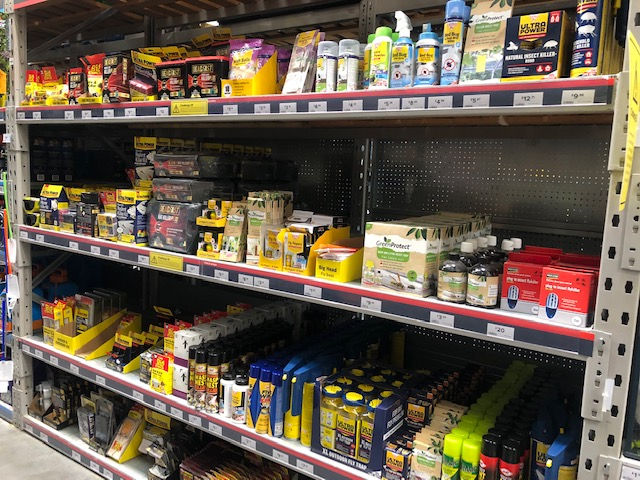
For minor incursions of Black Garden Ants, these products may provide temporary relief.
However, several important limitations must be understood.
Most retail products are surface treatments that kill foraging workers but do not reach the colony. This provides temporary reduction in numbers but not long-term control. Worse, some products, particularly residual sprays, can cause colony fragmentation in species that bud, transforming a manageable problem into a severe infestation.
Misidentification is common, and treatment appropriate for one species may be counterproductive for another. Without proper identification and understanding of ant biology and behaviour, householders may spend considerable sums on multiple products without achieving control, whilst the infestation continues to develop.
There are also safety considerations. Inappropriate use of pesticides, particularly in food preparation areas or where children and pets are present, presents risks. Professional pest controllers are trained in the safe and targeted application of pesticides, minimising exposure whilst maximising efficacy.
What to Expect from PGM & Son Ant Control Service
PGM & Son Pest Control adhere to professional standards and codes of practice that ensure competent, safe, and ethical ant control services.
When engaging PGM for ant control, clients can expect:
A thorough inspection to identify the ant species, locate nests, determine the extent of infestation, and identify factors contributing to the problem.
A written treatment proposal explaining the recommended approach, the products to be used, the expected timescale for achieving control, any preparation required from the client, and the cost. This proposal will be transparent about what is and is not guaranteed, recognising that some species are challenging and may require extended treatment programmes.
Professional application of appropriate control measures using approved products applied by our RSPH trained and certified technicians. This includes careful placement of professional treatments to target ants whilst minimising exposure to non-target organisms, adherence to product label instructions, and maintenance of application records.
Advice on preventing reinfestation, including recommendations regarding food storage, waste management, building maintenance, and hygiene practices. Note: Long-term success requires client cooperation in addressing underlying causes.
Follow-up visits as necessary to monitor treatment efficacy, replenish baits, or apply additional treatments. The number of visits required varies with species and infestation severity, but clients should have realistic expectations set during the initial consultation.
The Importance of Using Qualified, Certified Pest Controllers for Ant Infestations
The pest control industry in the UK has moved towards professionalisation, with recognised training programmes and certification schemes. BPCA and NPTA membership/s requires adherence to professional standards, appropriate insurance, and commitment to continuing professional development.
Using qualified pest controllers provides assurance of technical competence, knowledge of current regulations and best practices, appropriate insurance coverage protecting clients from liability, and access to professional-use products not available to the public, which are often more effective than retail products.
Professional pest controllers must also navigate complex regulations regarding pesticide use, waste disposal, and environmental protection. They maintain records as required by legislation and can provide documentation needed for regulatory compliance or insurance purposes.
For businesses subject to audit or inspection, documented evidence of professional pest management is often required. BPCA member companies provide the reports and documentation needed to demonstrate due diligence and regulatory compliance.
To find a BPCA pest controller near you, search the membership database of trusted pest control companies at https://bpca.org.uk/find
Clients are encouraged to seek multiple quotations for major pest treatments. The cheapest quotation is not always the best value if it involves inadequate treatment that fails to resolve the problem or, worse, exacerbates it
Prevention and Integrated Pest Management
Prevention is always preferable to cure, and many ant problems can be avoided or minimised through good housekeeping and building maintenance. PGM Pest Control advocates for Integrated Pest Management (IPM), an approach that emphasises prevention, monitoring, and the use of multiple control tactics rather than relying solely on pesticides.
Proactive Measures for Homeowners
Food hygiene is fundamental to ant prevention.
Store food in sealed containers rather than leaving it in opened packaging.
Clean up spills and crumbs promptly, and do not leave dirty dishes overnight.
Store pet food securely and clean feeding bowls regularly.
Take rubbish out regularly and ensure bins have tight-fitting lids.
Eliminate water sources by repairing leaking taps, pipes, and appliances promptly.
Ensure sinks, baths, and showers drain properly without leaving standing water.
Use dehumidifiers in damp areas if necessary.
Restrict access to buildings by sealing cracks and gaps around windows, doors, pipes, and cables.
Install door sweeps on external doors and ensure window screens are intact.
Repair damaged pointing and render on external walls.
Maintain gardens to reduce ant populations near buildings.
Avoid positioning compost heaps, woodpiles, or refuse bins directly against external walls.
Trim vegetation away from buildings to eliminate bridges for foraging ants.
Lift paving slabs and remove debris where ants commonly nest.
During flying ant season, keep windows and doors closed during evening hours when nuptial flights occur, or ensure screens are in place. Turn off external lights that attract flying ants
Commercial Premises Best Practices
Businesses must maintain more rigorous standards due to regulatory requirements and the higher stakes involved. Comprehensive pest management policies should be documented and implemented, with staff trained to recognise signs of pest activity and understand their role in prevention.
Regular inspections should be conducted, either by in-house personnel or contracted commmercial pest control professionals, with findings documented and acted upon. Many businesses benefit from pest control contracts that provide regular monitoring visits and rapid response to emerging problems.
Structural maintenance must be prioritised, with a schedule for checking and repairing building fabric, doors, and windows. Loading bay areas, which are high-risk entry points, require particular attention with rapid-closing doors, good lighting, and regular inspection.
Food handling and storage protocols must be rigorous, with stock rotation systems that enable rapid identification of contaminated items, segregation of returned or damaged goods, and thorough cleaning schedules for storage areas.
Waste management is critical, with multiple collections daily in food production areas, covered bins with foot-operated lids, regular bin cleaning, and designated waste storage areas away from food handling zones.
Environmental Modifications to Reduce Ant Attractiveness
Creating environments that are inhospitable to ants reduces infestation risk.
Eliminate clutter that provides harbourage, particularly in storage areas, basements, and lofts.
Maintain clear spaces around buildings, avoiding piled materials against external walls.
Ensure good ventilation to reduce humidity, as many ant species prefer moist conditions.
Address any fungal growth or rot, which both creates conducive conditions for ants and may indicate moisture problems requiring attention.
In gardens and grounds, maintain lawns regularly to prevent Yellow Meadow Ant mounds from developing. Consider whether certain features, such as rockeries or raised beds, are creating ideal ant nesting sites near buildings.
Climate Change Impacts on Ant Populations and Behaviour
Rising temperatures are likely to increase ant activity levels and extend the active season. Colonies may grow larger and reproduce more successfully. Species that currently struggle to survive UK winters may become more successful.
Changes in precipitation patterns may affect species differently. Red Ants, which favour moist conditions, might benefit from increased rainfall in some regions whilst suffering from droughts in others. Yellow Meadow Ants, dependent on stable grassland habitats, may be affected by changes in vegetation communities driven by altered climatic conditions.
Indoor pest species may become more problematic if buildings rely increasingly on air conditioning, providing more stable warm environments suitable for species like Pharaoh’s Ants and Ghost Ants.
Future Monitoring Needs
Systematic monitoring of ant populations and distributions would provide valuable data for understanding climate change impacts and detecting invasive species. Currently, such monitoring is limited, relying largely on ad hoc observations by naturalists, academics, and pest control professionals.
Anticipating future pest challenges requires ongoing surveillance, research into the biology and behaviour of potential invasive species, and development of management strategies before problems arise. The pest control industry, working alongside researchers, conservationists, and policymakers, has important contributions to make to these efforts. Sustainability in pest control >
Conclusion
Ants are remarkable insects that have successfully colonised virtually every terrestrial habitat on Earth. In the United Kingdom, the vast majority of ants live their lives with minimal impact on human activities. Indeed, many species provide valuable ecosystem services that benefit agriculture, forestry, and natural habitats.
Ants have several physical traits that lead to "myth-busting" questions, if you're interested intheir 'super-powers' read The Ant 101 >
However, a small number of species, when occurring in inappropriate locations or excessive numbers, become pests requiring management. Accurate identification of these species is the foundation upon which effective control strategies are built.
As we have explored throughout this guide, different species require radically different approaches, and misidentification can lead to ineffective treatments, wasted resources, and, in some cases, exacerbated infestations.
Summary of Key Identification Points
Black Garden Ants | The UK's most common pest species, are medium-sized, dark-coloured ants typically nesting outdoors but foraging indoors. They respond well to baiting programmes and perimeter treatments. |
Red Ants | Similarly sized but reddish-brown and possessing a painful sting, require careful management, particularly in public spaces. |
Yellow Meadow Ants | Pale and subterranean, rarely cause significant problems and should generally be tolerated due to their ecological value. |
Pharaoh’s Ants and Ghost Ants | Both very small and restricted to heated buildings, represent serious pest challenges requiring prolonged professional treatment programmes. DIY attempts at control are strongly discouraged. |
Carpenter Ants | Large and black, excavate wood for nesting and represent a structural concern requiring professional assessment and treatment. |
Wood Ants | Impressive mound-builders of woodland habitats, are of conservation concern and require careful consideration before any management action is contemplated. |
The Value of Early, Accurate Identification
Responding promptly to ant activity, securing accurate identification, and implementing appropriate management strategies provides the best outcomes.
Early intervention is invariably more successful and cost-effective than addressing well-established infestations
For householders, understanding which species are present helps determine whether DIY measures might suffice or whether professional assistance is necessary. For businesses, rapid identification and response protects operations, reputation, and regulatory compliance.
PGM’s Commitment to Professional Standards in Ant Management
PGM & Son Pest Control Services remains dedicated to advancing standards across the pest control industry and supporting a sustainable, professional approach to pest management, championing Integrated Pest Management practices that focus on prevention, ongoing monitoring, and the responsible application of control measures tailored to each situation. Green Pest Control – How to be Pest Aware >
Encouragement to Seek Professional Advice When Needed
Whilst this guide provides comprehensive information about ant identification and management, it cannot substitute for professional assessment in complex or challenging situations. The training, experience, and specialist tools available to professional pest controllers enable them to diagnose problems accurately, develop effective strategies, and implement treatments safely.
We encourage property owners and facility managers to view pest control not as an emergency expense to be minimised, but as an investment in protecting health, property, and peace of mind. Engaging qualified professionals early in the management process typically results in better outcomes at lower overall cost than delayed intervention or failed DIY attempts.
For commercial food businesses, professional pest management should be viewed as an essential component of operational risk management, regulatory compliance, and quality assurance programmes. The cost of professional services is negligible compared to the potential costs of pest-related business interruption, regulatory action, or reputational damage.
Together, we can ensure that ant problems are managed effectively, safely, and sustainably, protecting both human interests and the ecological values these fascinating insects represent.
If you need expert help with ant control in Herefordshire or Worcestershire, PGM are the number 1 choice for homewoners and businesses!