Brewery Pest Control: Preventing Pest Risks Throughout the Brewing Process

Updated: Jun 30
Brewing Great Beer Starts with Great Pest Management
The UK's brewing industry is built on quality, consistency and attention to detail. Whether you're producing traditional ales, craft beers, ciders or soft drinks, protecting your ingredients, production processes and reputation is essential.
Breweries present unique challenges when it comes to pest management. Malted barley, grain, hops, yeast and sugars all have the potential to attract pests, while warm production areas, moisture, waste products and frequent deliveries create ideal conditions for rodents and insects if left unmanaged.
Unlike many commercial premises, breweries cannot rely on reactive pest control alone.
Preventing pests from entering and becoming established is far more effective than dealing with an infestation after production has been affected.
This is where Integrated Pest Management (IPM) plays a vital role, combining inspection, monitoring, proofing and preventative measures to protect both products and business reputation.
Why Are Breweries Attractive to Pests?
Pests are rarely attracted by finished beer itself. Instead, they are drawn to the conditions found throughout the brewing process.
These include:
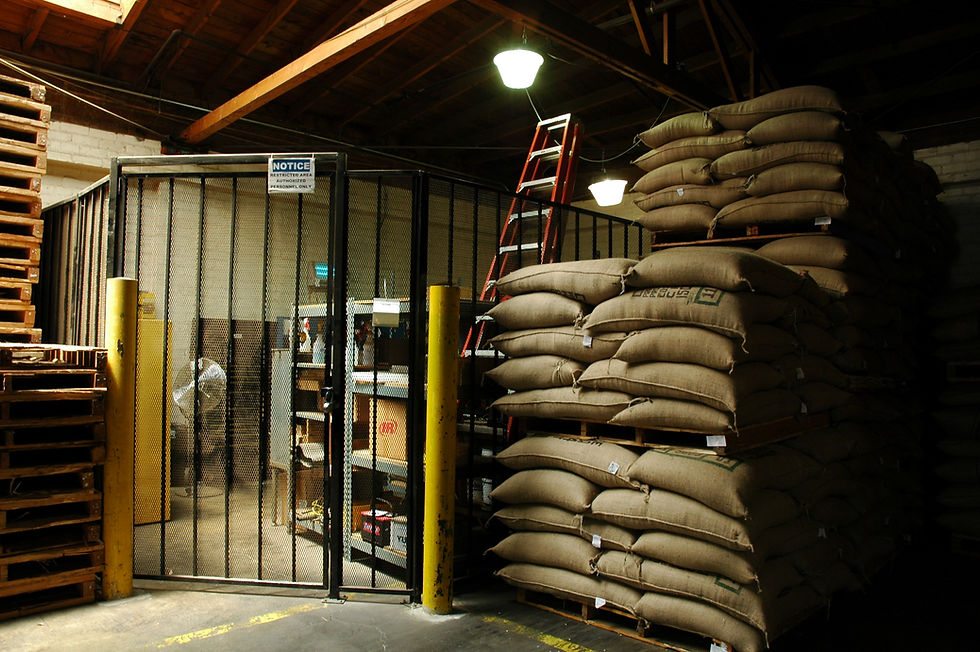
Malt and grain storage
Sugary ingredients and residues
Warm fermentation areas
Moisture and standing water
Spent grain awaiting collection
Packaging materials and pallets
Waste compounds and recycling areas
Loading bays with frequent deliveries
Without effective monitoring and housekeeping, these areas can quickly become attractive harbourage and feeding sites for rodents, insects and birds.
Stored product insects are often introduced via incoming deliveries rather than developing on-site
Pest Risks Throughout the Brewing Process
From Grain Delivery to Finished Product
🌾 Ingredient Storage → 🍺 Brewing → 🧪 Fermentation → 📦 Packaging → 🚚
Brewing Stage | Common Pest Risks | Why It Matters |
Grain & Malt Storage | Rats, mice, grain weevils, flour beetles | Ingredients can be contaminated before production begins. |
Brewing & Fermentation | Fruit flies, drain flies | Warm, humid conditions and sugary residues encourage fly activity. |
Packaging & Bottling | Rodents, flies | Open production areas increase contamination risks. |
Warehouses | Rats, mice, birds | Pallets and stored packaging provide shelter for pests. |
Loading Bays | Rats, mice, birds, wasps | Frequent deliveries create opportunities for pests to enter buildings. |
Waste & Spent Grain | Rodents, flies and birds | Organic waste can quickly attract pests if not properly managed. |
Common Pest Risk Areas Within Breweries
Grain & Malt Storage
Bulk ingredients such as malted barley and grains can attract stored product insects, including beetles and weevils, if storage conditions are not carefully monitored. Rodents are also drawn to grain stores, particularly where spillages occur.
Brewing & Fermentation Areas
Warm environments, moisture and sugary residues create ideal conditions for flies if housekeeping standards begin to slip. Regular monitoring helps identify issues before they affect production.
Spent Grain Storage
Spent grain awaiting collection can quickly attract rodents, flies and birds if containers are uncovered or waste is allowed to accumulate. Good waste management is essential to minimise pest activity.

Packaging & Bottling Halls
Although these areas are usually clean and well managed, open access during production, loading and dispatch can allow flying insects or rodents to enter if proofing measures are inadequate.
Warehouses & Pallet Storage
Finished products, cardboard packaging and stored pallets provide shelter for rodents and insects. Routine inspections help identify harbourage areas before infestations become established.
Loading Bays & External Yards
Frequent vehicle movements, open roller shutter doors and external waste areas increase the likelihood of pests entering the building. These areas should form part of every proactive monitoring programme.
The Most Common Brewery Pests
Rats
Rats pose one of the greatest risks to breweries. They contaminate ingredients and production areas with urine, droppings and hair, while also causing costly damage by gnawing electrical cables, insulation and pipework. Rats commonly exploit drainage systems, loading bays and structural defects to gain access.
Mice
Mice are particularly difficult to detect because they can enter through gaps as small as 6 mm. Once inside, they nest within wall voids, roof spaces and equipment areas, contaminating stored ingredients and packaging while breeding rapidly if left unchecked.
Stored Product Insects
Grain weevils, flour beetles and other stored product insects can infest malt and grain stores, reducing ingredient quality and potentially contaminating production. Regular inspections, stock rotation and good housekeeping are essential to minimise risks.
Fruit & Drain Flies
Fermentation areas, sugary residues and floor drains create ideal breeding conditions for fruit flies and drain flies. Although small, these insects can quickly become a nuisance and indicate underlying hygiene or drainage issues that require attention.
Wasps
Wasps become particularly active during late summer, when they are attracted to sugary drinks, waste areas and outdoor storage. They can create health and safety risks for employees while disrupting deliveries and external operations.
Birds
Pigeons and other pest birds are commonly attracted to warehouse roofs, loading bays and waste compounds. Their droppings present contamination risks and can damage buildings and equipment over time.
Prevention Is Better Than Cure
Successful brewery pest management focuses on prevention rather than reacting to infestations.
Simple measures can significantly reduce pest risks, including:
Maintaining high standards of housekeeping
Cleaning spillages immediately
Managing spent grain and waste efficiently
Inspecting deliveries before storage
Rotating stock correctly
Monitoring pest activity throughout the site
Sealing structural gaps and entry points
Training staff to recognise early signs of pest activity
When combined with professional monitoring and regular inspections, these measures form the foundation of an effective Integrated Pest Management programme.
Pest Proofing Your Brewery
Many pest problems begin with small structural defects rather than poor hygiene.
Common entry points include:
Loading bay doors
Dock levellers
Roller shutter doors
Pipe and cable penetrations
Damaged drains
Ventilation openings
Roof junctions
External cladding defects
Identifying and sealing these vulnerabilities helps prevent pests from entering production areas and reduces reliance on reactive treatments. Download our free Brewery Pest Prevention Checklist below.

Supporting Food Safety & Compliance
Effective pest management forms an important part of any food safety management system.
A documented Integrated Pest Management programme helps breweries demonstrate a proactive approach to pest prevention while supporting standards such as HACCP, BRCGS and SALSA.
Regular inspections, monitoring records and practical recommendations also provide valuable evidence during customer audits and Environmental Health inspections, demonstrating that pest risks are being actively managed as part of wider food safety procedures.
How PGM Pest Control Supports Breweries
Specialist Pest Management for Breweries & Beverage Manufacturers
Breweries, cider producers and beverage manufacturers face unique pest challenges that differ from many other food production environments.
Ingredients such as malted barley, grain, hops and sugars naturally attract stored product insects and rodents, while warm production areas, fermentation and waste products can encourage flies and other pests if not carefully managed.
At PGM Pest Control, we understand how every stage of the brewing and beverage production process presents different pest risks. Our Integrated Pest Management programmes are designed to protect your products, maintain food safety standards and support uninterrupted production. We provide specialist pest management services for breweries, cider producers and beverage manufacturers across Herefordshire and Worcestershire.
Our award-winning team of RSPH Level 3 qualified pest management specialists delivers tailored Integrated Pest Management programmes designed to protect ingredients, production facilities and finished products.
From comprehensive site inspections and pest proofing recommendations to ongoing monitoring and digital reporting, we work proactively to reduce pest risks before they impact your business.
Whether you're an independent craft brewery, a regional cider producer or a large-scale beverage manufacturer, we provide practical, preventative pest management that supports food safety, operational efficiency and long-term compliance.
Find out more about our Pest Management for Breweries, Cider Producers & Beverage Manufacturers >