Rat drain blocker installation process

Updated: 3 hours ago
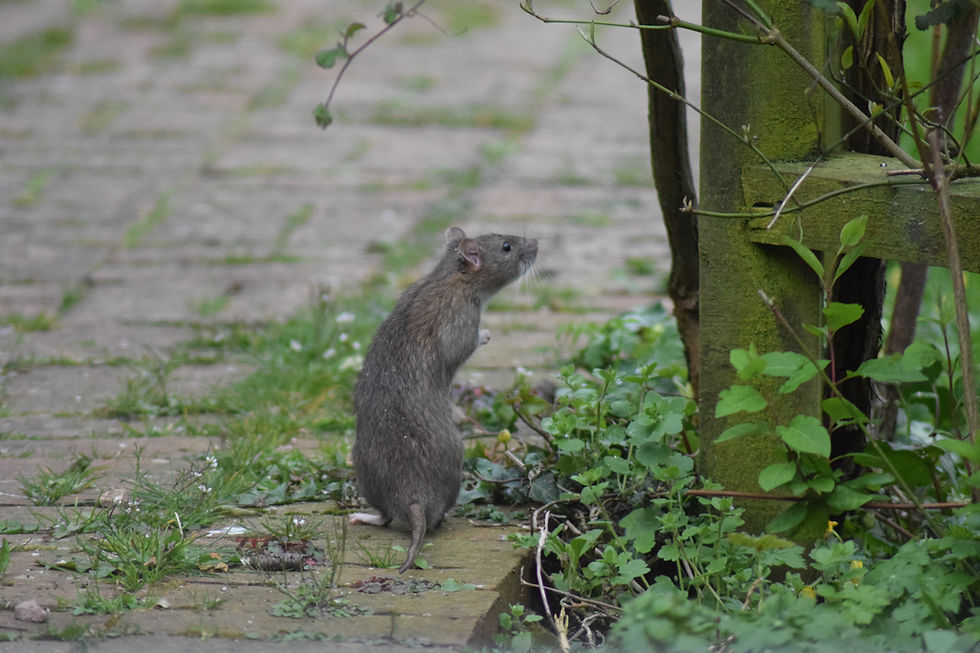
Our rat drain blocker installation process involves fitting a specialist one-way rat valve (non-return valve) within a suitable drainage pipe to help prevent rats entering a property through the sewer system.
Rat drain blockers provide a poison-free method of rat prevention, allowing wastewater to flow towards the sewer while restricting rats from travelling back through protected drainage connections. Installation is typically carried out through an existing inspection chamber (manhole).
Navigation
Thinking about having a rat drain blocker installed? A rat drain blocker can help stop rats using your drainage system to get into your property, but correct installation matters. We explain how our technicians assess your drains, install the blocker and check it's working safely, along with what you need to know about ongoing maintenance.
Drainage inspections for rat activity
Inspecting drainage systems for defects that allow rats to enter buildings is specialist work requiring skill, experience and care. Anyone carrying out these inspections must understand how sewer networks function, alongside the biology and behaviour of the brown rat or Norway rat (Rattus norvegicus).
As a British Pest Control Association (BPCA) member, PGM & Son Pest Control recognises the importance of safe, responsible and professionally assessed drainage protection.
We follow BPCA's Code of Best Practice for Drainage Inspections for Rat Activity on rat blockers and one-way valves, including drainage ownership, installation permissions, device suitability, wastewater flow checks and ongoing maintenance.
Our approach considers the condition and suitability of the drainage system, correct installation of the selected rat blocker and functional testing to help prevent drainage obstructions while reducing the risk of rats entering through protected drainage connections.
Where further investigation is required, we explain the findings and recommend appropriate next steps.
Our rat drain blocker installation process - four key stages
Every drainage system is different. Our four-stage installation process covers assessing the drainage system, preparing the pipework, fitting the appropriate rat blocker and testing its operation to help protect your property against rat ingress.
1. Survey & Inspection
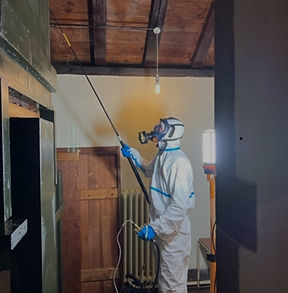
Before installing a rat blocker, our RSPH-qualified pest control technician assesses the accessible drainage system to establish whether installation is appropriate, identify a suitable position and ensure the selected device is compatible with the pipework.
We will:
Assess Drain Condition: Check accessible pipework for visible cracks, damage, obstructions or signs of structural defects.
Identify Flow Direction: Open the manhole cover and flush a toilet to observe the direction of water flow. We must identify whether we are installing the unit into an outlet pipe (waste flowing away from the chamber) or an inlet pipe (waste flowing into the chamber).
Measure Pipe Size: Domestic drainage pipes commonly have nominal diameters of 100mm (4 inches) or 150mm (6 inches). We check the pipe's internal dimensions and configuration to select a suitably sized rat blocker.
We also establish whether the proposed installation is within a private drainage system and whether any additional permissions are required. Where damaged pipework, defective joints or suspected structural entry points are identified, further investigation, including a CCTV drain survey where appropriate, may be recommended before installation.
Important: A rat drain blocker helps prevent rats travelling through a protected drainage connection, but it does not repair cracked pipes, defective joints or other structural drainage faults. Where damage is suspected, further investigation or repairs may be necessary to address the underlying cause of rat ingress.
2. Preparation & Cleaning
Drainage systems can accumulate sediment, gravel, mud and other debris that may interfere with the operation of a rat blocker. Damaged pipework can also allow soil or rubble to enter the drainage system.
Drain Cleaning: Before installation, we check that the selected pipe is free-flowing and that debris, sediment or other obstructions will not interfere with the rat blocker's operation. Where necessary, suitable drain-cleaning methods may be used, including high-pressure water jetting when appropriate to the drainage system.
3. Installing the Rat Blocker
The rat blocker is fitted within a suitable inlet or outlet pipe, depending on the drainage layout and the connection requiring protection. We position and configure the device in accordance with the manufacturer's instructions, ensuring the one-way flap opens in the direction of wastewater flow while restricting rats travelling in the opposite direction.
Manual installation: Where the installation point is safely accessible, we compress the rat blocker by hand and tighten the integrated tensioning nut slightly with a spanner.
Pole installation: For deep manholes, we screw an interchangeable installation pole onto the blocker's thread to compress the unit safely from ground level.
Safety Cable: We may attach a stainless steel security cable from the blocker to the top of the inspection chamber wall using a self-tapping screw. This prevents the unit from being lost down the sewer line if it ever loosens. The attachment method depends on the manufacturer's installation requirements.
4. Functional Testing
Once installed, we thoroughly test the rat drain blocker to ensure it is correctly fitted and operating as intended before safely replacing the inspection chamber cover. We will:
Flap Check: We visually confirm that the valve is correctly seated, opens freely in the direction of wastewater flow and closes as intended to prevent rats passing through the protected pipe.
Flush Test: We flush water and toilet paper through the drainage system in accordance with the manufacturer's instructions, checking that the valve opens correctly and wastewater passes without obstruction or backing up.
After Installation:
We explain the importance of ongoing rat blocker maintenance to all customers and record this advice in the installation report. Periodic inspections and flow checks may be required to ensure the valve remains secure, free from obstruction and operating as intended.
For our commercial customers, maintenance records can also support pest management documentation and audit requirements.
Why pay a professional?
Homeowners and businesses choose professional installation instead of DIY because fitting involves working inside an active sewer inspection chamber. Incorrect positioning or fitting the blocker in the wrong direction can cause serious drainage blockages, potentially forcing sewage back into the property.
PGM & Son use specialised extendable installation poles and cameras to ensure it is perfectly seated without dropping the unit down the main sewer line. Find out more about our pest control prices or request a tailored quote for your home or business.
The fastest way to get a drain survey is to call us on 01981 540088, or navigate to our contact page for ways to contact us.
We serve a wide range of commercial sectors across Herefordshire and Worcestershire, including restaurants and pubs, hotels, retail premises, offices, warehouses, food production facilities, schools and care homes.
Frequently asked questions
Common questions about rat drain blockers, including installation suitability, maintenance requirements and their role in protecting your property from rats.
Can Rat Drain Blockers Be Installed in Every Drain?
No. Installation depends on the pipe diameter, drainage condition, accessibility, layout and ownership. Damaged or unsuitable drainage systems may require further investigation or repairs before a rat blocker can be safely installed.
Do Rat Drain Blockers Require Maintenance?
Yes. Rat drain blockers require periodic inspection and maintenance to ensure the one-way valve operates correctly and wastewater continues flowing freely. Maintenance requirements depend on the manufacturer's instructions, drainage conditions and level of use.
Can a Rat Drain Blocker Cause a Drain Blockage?
Yes. A rat drain blocker can contribute to a drainage blockage if it is incorrectly installed, unsuitable for the pipework or not properly maintained.
Common causes include:
Trapped Debris: Wet wipes, sanitary products and other non-flushable materials can become caught around the valve mechanism.
Fat, Oil and Grease (FOG): Build-up around the flap or hinge can restrict movement and trap additional waste.
Existing Drainage Defects: Damaged pipes, displaced joints, tree roots or slow-flowing drains can increase the risk of obstruction.
Incorrect Installation: A poorly positioned, incorrectly sized or reversed valve can interfere with wastewater flow.
Professional assessment, correct installation, functional testing and ongoing maintenance help reduce these risks.
Will Installing a Rat Drain Blocker Remove Rats Already Inside?
Not necessarily. Rat drain blockers help prevent rats entering through protected drainage connections, but they do not remove rats already inside a property. Existing infestations may require professional rat control, additional inspections and proofing of alternative entry points.
Why Choose Professional Rat Drain Blocker Installation?
Professional installation from PGM & Son Pest Control helps ensure the correct device is selected, the drainage system is suitable and the rat blocker is properly positioned, fitted and tested. Incorrect installation can cause drainage obstructions or leave entry routes unprotected.