What time of year are wasps most active?

Wasps are most active during the summer months, specifically from June through August, when worker wasps forage for food to support growing colonies.
Activity peaks in late summer (August) as nests mature, while they are most active during the daytime, specifically, with activity declining in late autumn.
April and May
Towards the end of March and the beginning of April, a queen wasp will emerge from her hibernation spot to seek new locations to form a wasp nest.
Having mated with drones before the winter season set in, a queen will lay eggs in the new location which will give birth to worker wasps as well as new queen wasps and drones.
Once the eggs hatch, young queens will also leave the wasp nest to set up nests of their own.
June and July
By June, the wasp season is fully underway as adult wasps are now covering wasp nests. The workers will scour the area for food and nesting materials and unlike bees, wasps are much more exploratory of their surroundings.
This is usually when homeowners consult with a professional pest control company, such as ourselves, as stings and wasp aggression become more common.
August and September
In August and September when wasp behaviour becomes the most volatile.
This is the latter part of the season when queens began to leave the nest to reproduce and find a suitable spot to hibernate once autumn sets in.
The remaining workers and drones will abandon the nest.This is the part of the season where free-roaming wasps are most prevalent.
Mid to Late Autumn
Late September and early October are when wasp season end times start to unfold. Workers become a bit more aggressive during this time since they are in panic mode to find ample amounts of food for hibernating queens.
As the cooler temperatures start to roll in, the end of the season is triggered.
The Dangers of DIY Wasp Nest Removal
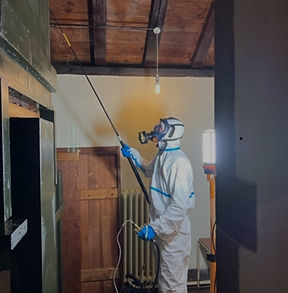
While it may be tempting to try to remove a wasp nest on your own, it's important to understand the dangers of DIY wasp nest removal.
Wasps can be aggressive and unpredictable, and attempting to remove a nest on your own can put you at risk of getting stung or causing damage to your property.


Every Wasp Nest is Unique
It's best to leave wasp nest removal to the professionals, who have the experience and equipment to handle the situation safely and effectively.
These fascinating insects are cleverly building a nest which is light, waterproof and durable by making a papier mache type material from chewed wood and saliva. How amazing is that?!
Common Signs of a Wasp Infestation
If you suspect that you have a wasp nest on your property, it's important to know the common signs of a wasp nest infestation.
These include seeing a large number of wasps in one area, hearing a buzzing sound coming from a specific location, or noticing a papery nest structure hanging from a tree or building.
If you notice any of these signs, it's important to call a professional wasp nest removal service to handle the problem. Contact us today for expert professional pest control help, support and guidance on Wasps.
Frequently asked questions about wasps
Signs you may have a wasp nest
There is probably a nest nearby if there are a lot of wasps in your house or garden. In the summer, a mature nest may house a large number of wasps. To lessen the risk of a wasp sting, which can be extremely painful and even result in an allergic reaction, it is crucial to treat a wasp nest as soon as possible.
What is the cost of removing a wasp nest?
Wasp nest removal typically costs between £65 and £100 in the UK, with a national average of around £75 for a single nest. Prices vary based on location, accessibility, and nest size, with additional nests usually costing an extra £15–£30. Emergency, same-day, or high-up, hard-to-reach nests can cost more
Do councils get rid of wasps nests?
If you are living in a domestic property where a wasp nest is present you will need to contact a pest control company to remove it, as the Council does not provide a pest control service. Read more about how to contact your local council. *Never attempt to remove a wasp nest yourself.
Will wasps return to a removed nest?
Wasps generally do not return to the exact same nest once it has been removed or destroyed, as they do not reuse old nests. Large nests are unlikely to be active in the early spring and summer since wasps never reuse an old nest from a previous year. However, if the area is favourable, wasps may come back and establish a new nest there.
What month do wasps go away?
With the onset of cold weather, the workers and the resident queen all die. Again the timing of this can vary enormously and be anywhere from October to December, normally the first ground frost is regarded as the point from which the nest will rapidly die off. What time of year are wasps most active? Read more here.
How long are wasps active in the UK?
In the United Kingdom, the wasp season typically begins in April and subsides in September. A wasp colony is primarily active during the summer months between June and August, with hibernating queens exiting a nest within the first two weeks of autumn.
Why remove a wasp nest?
You won't easily forget a wasp sting if you've ever experienced one. Therefore, it should come as no surprise that a wasp problem at work will be an unwelcome distraction for both clients and staff. You must resolve the problem as soon as you can in order to prevent it from interfering with your business. The good news is that all you need to do is phone us; we'll take care of the rest right away.
How long does wasp nest removal take?
It takes about 30 to 45 minutes to treat a wasps' nest, depending on the location of the nest. An insecticide is sprayed into the nest entrance normally destroying it within a few hours.
Is it safe to be in the area during wasp nest removal?
No. We ask you and your family members, as well as any pets to clear the area, during and after our removal service. Safety is of the upmost importance when dealing with wasp nest removal.
What happens if you leave a wasp nest?
Wasp nests usually last around three to four months during the summer. The nest will die off naturally, even if left alone.
How do I know if I have a wasps nest?
If you are unsure if you have wasps, bees or hornets, read our page on the difference between bees, wasps and hornets.
The Ultimate Wasp Blog Hub: Read, Learn, Explore
We love sharing our knowledge with our customers!
Whether you're intrigued by the complex behaviour of wasps, need expert advice on wasp nest removal, or simply want to uncover fascinating facts about these often-misunderstood insects, we've got you covered.
Explore our articles to learn more about wasps, their habits, and how to safely manage nests when they become a nuisance.
Got questions about wasps? Check out our extensive FAQ page or use the PGM AI assist on the right hand side of your screen.
If you need a professional pest control company near you to remove an active wasp nest call PGM pest control services, we cover all postcodes across Herefordshire and Worcestershire. If you need same-day emergency wasp nest removal it is best to call us on 01981 540088 for immediate response.