Who Gives a Rat’s Arse? PGM Launches Winter Rat Awareness Campaign

PGM launches its 'Who Gives a Rat’s Arse?' public-awareness campaign across Herefordshire and Worcestershire, encouraging homes, businesses and communities to take practical steps to reduce the conditions that encourage rat activity. With rodents accounting for 48% of PGM’s recorded pest activity in Herefordshire during 2025, the campaign focuses on simple prevention, early reporting and better waste management this autumn and winter.
Navigation
As colder nights push rats towards the food and shelter around our homes and businesses, PGM & Son Pest Control has launched ‘Who Gives a Rat’s Arse?’, a campaign encouraging homeowners and businesses across Herefordshire and Worcestershire to take simple steps to make their properties and communities less attractive to rats.
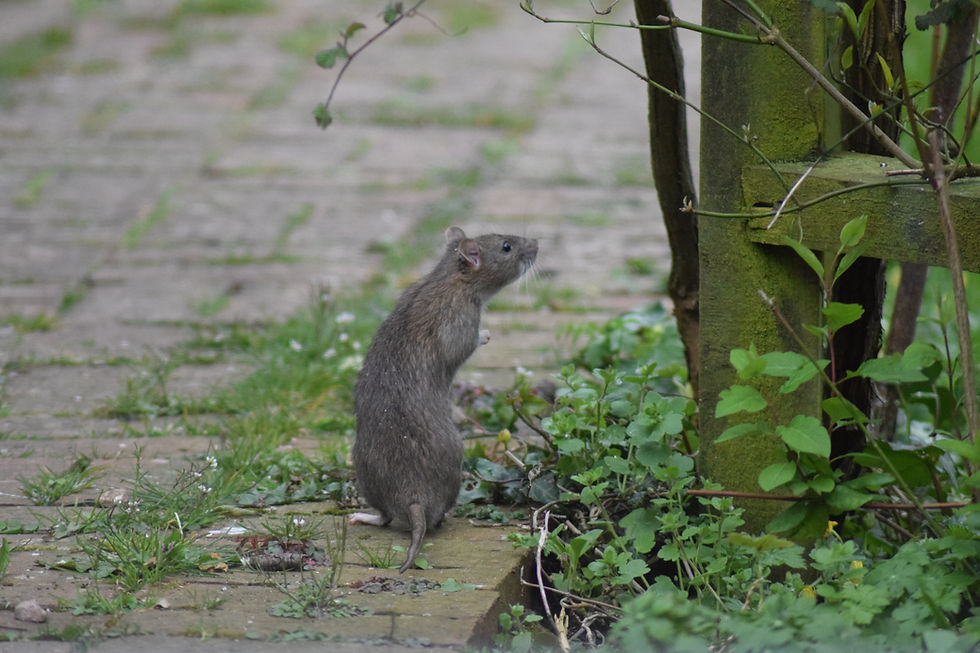
Rats do not need much encouragement. Overflowing bins, loose rubbish, fallen fruit, pet food, bird seed and food waste from homes and businesses can all provide an easy meal. Add a cluttered garden or untidy outdoor area with somewhere sheltered to hide, and you’ve created exactly the kind of home rats are looking for.
Our message is simple: Caring costs nothing. Don’t feed rats.
Throughout this winter, we’ll share practical advice to help homes and businesses cut off the food and waste rats rely on, spot the early signs of activity and know when it’s time to call a professional.
Why Rat Activity Matters Across Herefordshire and Worcestershire
Rat activity is a significant local pest problem. In PGM’s Herefordshire Pest Activity Data Analysis Report 2025, rodents represented 48% of all recorded pest activity in Herefordshire.
That figure is based on pest activity recorded by PGM and should not be treated as an estimate of the county’s total rat population. However, it does show just how frequently rodent problems feature in the pest issues we deal with locally.
Rats are not confined to one type of environment. They affect towns, villages, rural properties, farms, commercial premises and residential neighbourhoods, particularly where reliable food, waste, shelter or access routes are available.
48% is a figure we would like to see fall
That is one of the reasons PGM is putting greater emphasis on public awareness this autumn and winter — helping more people recognise the conditions that may encourage rat activity and act before problems become established.
Rats Go Where the Food Is
Rats are highly adaptable and will return to places where they find a reliable source of food. Once an area provides easy access to food and water, it can become part of their regular feeding route and encourage continued activity. A reliable food source doesn’t just keep rats around, it allows them to breed.
Around homes and businesses, that food can come from many everyday sources, including:
Common food source | Why it can attract rats |
Household food waste | Leftovers and discarded food provide an easy, regular food source. |
Bin bags left beside containers | Bags can be torn open, giving rats direct access to food waste. |
Overflowing commercial bins | Poorly contained waste can create a dependable feeding area. |
Fallen apples and pears | Fruit left on the ground can provide food for rats, particularly in gardens and rural areas. |
Bird seed | Spilled seed beneath feeders can attract rats as well as birds. |
Pet food | Food left outdoors, especially overnight, can quickly become accessible to rats. |
Livestock and poultry feed | Poorly stored or spilled feed can provide a reliable food source around farms and smallholdings. |
Food waste in compost | Certain kitchen scraps can attract rats if compost is poorly managed. |
Takeaway packaging | Containers and wrappers may still contain enough food residue to attract rats. |
Rubbish containing food residue | Even small amounts of leftover food can encourage rats to keep returning. |
Some of these sources may seem insignificant, but rats are opportunistic feeders that breed quickly. Even a small amount of food left out night after night can be enough to keep them coming back.
If rats can repeatedly find food in an area, they have a reason to stay. Removing these easy food sources is one of the simplest ways homes and businesses can make an area less attractive to rats.
The Small Things That Can Make a Big Difference
Preventing rat problems does not always start with major changes. Often, it is the small, consistent actions around your home or business that make the biggest difference.
Shut it. Pick it up. Store it. Clear it. Report it.
The campaign is built around five simple habits you can start today:
Shut it.
Keep bin lids closed, use tight-fitting lids and avoid leaving bags beside bins.
Pick it up.
Remove fallen fruit, spilled bird seed, dropped food and scraps before they become an easy meal.
Store it.
Keep pet food, animal feed and other food products in secure containers, particularly overnight.
Clear it.
Remove rubbish, clutter and stored materials that give rats somewhere to shelter and hide signs of their activity.
Report it.
If you see rats or signs of activity, act early. Reporting a problem quickly can help prevent it from becoming more established.
If rats are at a rented property, tell your landlord or managing agent. For rats in public spaces, or rubbish nearby that is attracting them, report it to your local council: Herefordshire Council or, in Worcestershire, Worcestershire Regulatory Services.

A Shared Responsibility
Homes, Businesses and Communities
Rat problems do not stop at property boundaries. Activity around one poorly managed waste area, garden, communal yard or commercial premises can quickly affect neighbouring homes and businesses.
That is why effective rat prevention works best when everyone plays a part
Homeowners can help by keeping bins secure, clearing fallen fruit, managing bird feeding carefully, storing pet food properly and reducing clutter around gardens, sheds and outbuildings.
Allotments deserve particular attention. Compost heaps, fallen fruit, stored seed and the shelter offered by sheds and overgrown plots can all draw rats in, and because plots are often left unattended for days at a time, a problem can build unnoticed. Signs you have a rat problem on your allotment.
Plot holders can help by using enclosed compost bins, avoiding cooked food and meat in the heap, clearing windfalls promptly, storing seed and feed in sealed metal or hard plastic containers, and keeping sheds tidy with no gaps beneath them for rats to nest.
Landlords and property managers should pay particular attention to communal bin areas, waste storage, building defects and clear tenant reporting procedures so signs of rat activity are acted on quickly.
Pubs, restaurants, cafés and takeaways need consistent control of food waste, refuse areas and external housekeeping, particularly where bins and food storage are close to neighbouring properties.
Retail premises should keep external waste areas, stock storage and delivery areas clean and well managed, while warehouses and logistics facilities should pay particular attention to loading bays, stored goods, waste compounds and the perimeter of buildings.
Farms and agricultural businesses may face additional pressures from animal feed, outbuildings, compost bins, stored produce and agricultural waste, all of which can provide food or shelter if not managed carefully.
The principle is simple: when food, waste and shelter are better managed across a wider area, rats have fewer opportunities to become established.

Why Winter Needs Extra Attention
Rats remain active throughout the year, but colder and wetter conditions can make buildings, sheds, garages, roof spaces and other sheltered areas more attractive as they look for reliable food and protection from the weather.
Commercial sites can face similar pressures, particularly around waste storage areas, loading bays, service yards and other sheltered parts of a property.
Drainage systems can also provide routes for rats to move between locations and, where defects or suitable access points exist, closer to buildings.
At the same time, dependable food sources become even more important. Poorly secured waste, animal feed, bird seed and food residue can encourage rats to keep returning to the same area.
Winter does not create rats, but it can bring existing rat activity closer to people and buildings.
That is why autumn and winter are a good time to check vulnerable areas, improve housekeeping and deal with early signs before rat activity becomes more established. Why have rats if you can prevent them?
Don’t Wait Until Rats Move Closer to Home
Rat problems are easier to manage when the early signs are recognised before activity becomes well established around a property.
Rats are often present before they are actually seen, so it is worth looking for the less obvious signs of activity around gardens, outbuildings, waste areas and the structure of a building.
Common signs include:

Droppings
found around feeding areas, cupboards, sheds, garages or waste storage.

Gnaw Marks
found on wood, plastic, food packaging or other materials.

Burrows
around banks, gardens, compost areas, buildings or vegetation.

Well-used runs
along walls, fences, hedges or other sheltered routes.

Grease Marks
where rats repeatedly travel along the same surfaces.

Noises in walls, ceilings or roof spaces
particularly at night.
Damaged food packaging
or signs that stored food has been disturbed.

Regular sightings
especially around bins, refuse areas or other food sources.
The sooner activity is identified, the sooner the cause can be investigated and the opportunities for food, shelter and access reduced.
Report rat activity early. By the time rats are being seen regularly, a small problem has often grown into one that is more costly to control.
Businesses Have an Important Role to Play
Commercial properties can have a major influence on local rat activity, particularly where food, waste and shelter are readily available. A single poorly managed refuse area can create an attractive feeding point and affect neighbouring businesses, homes and shared spaces.
Common risk factors include:
Overflowing external bins that give rats easy access to food waste
Waste waiting for collection in bags or containers that are not properly secured
Poorly fitting or damaged bin lids
Food debris around refuse areas, yards and delivery points
Damaged waste compounds that allow rats to enter or shelter
Clutter around loading bays and service areas
Dense vegetation around refuse storage, which can provide cover
Food waste left outside incorrectly by staff, particularly after closing
For businesses, effective rat prevention should be part of everyday site management rather than something that only begins after rats are seen. If it's time to renew your commercial pest contract, ensure you read our essential guide to reviewing your pest control contract.

A strong commercial pest management programme combines regular monitoring, good housekeeping, proofing, responsible waste management and preventative action. An Integrated Pest Management approach helps businesses identify risks early, reduce the conditions that support rat activity and maintain better protection over the long term.
We can't stop rats being rats, but we can stop making life easy for them
Our Campaign Is About Prevention, Not Blame
Rat activity can affect even clean, well-maintained homes and businesses. Rats may travel from neighbouring land, nearby waste areas, drainage systems or other food sources that sit beyond a single property boundary.
That is why Who Gives a Rat’s Arse? is not about blaming homeowners, landlords or businesses when rats appear.
The campaign is about reducing the avoidable opportunities that make it easier for rats to feed, shelter and remain active in an area.
Simple improvements to waste management, food storage, housekeeping, proofing and early reporting can all make a difference.
The aim is not to point fingers. It is to remove opportunities.

PGM’s Winter Challenge to Herefordshire and Worcestershire
This winter, we’re asking households and businesses across Herefordshire and Worcestershire to focus on five simple actions: Shut it. Pick it up. Store it. Clear it. Report it. If every household and business make a few small changes, together we can make our communities less attractive to rats.
Following the Campaign This Winter
The Who Gives a Rat’s Arse? campaign will run throughout autumn and winter 2026/27, with weekly rodent prevention advice, support and guidance to local communities published between October and February.
We’ll be covering some of the everyday issues that can influence rat activity, including household and commercial waste, fallen fruit, bird feeding, pet food, Christmas food waste, property proofing, drainage problems and the early signs of rats.
We’ll also be looking at how Integrated Pest Management (IPM) combines monitoring, prevention, proofing, good housekeeping and targeted treatments to provide more effective long-term rat control.
What to Do If You Already Have Rats?
Prevention can make a property less attractive to rats, but an established rat problem usually needs a more detailed investigation.
Professional rat control should look beyond the immediate sighting and consider:
where rats are travelling
what food or shelter is attracting them
how they may be entering the property
whether drains or drainage defects could be involved
what proofing or remedial work may be required
which treatment method is appropriate for the site
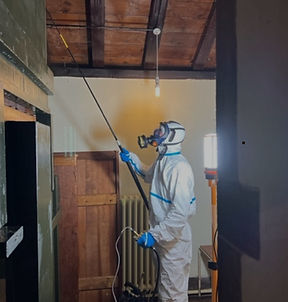
PGM & Son Pest Control provides professional rat control for homes and businesses throughout Herefordshire and Worcestershire, combining inspection, targeted treatment, proofing advice and practical prevention measures. Get to know your local pest control team.
Seen signs of rats?
Speak to your local PGM pest control team on 01981 540088 or contact us for expert rodent advice before the problem becomes more established.
Give a Rat’s Arse.
Caring costs nothing. Don’t feed rats.
Together, we can make Herefordshire and Worcestershire less welcoming to rats this autumn and winter. Learn more about the signs of rat activity and about how our professional rat control service works.
PGM hopes the campaign will encourage more households and organisations across both counties to look at their own surroundings and take simple preventative action. After all, why have rats if you can prevent them?