Why Every Pest Control Job Should Start with RAMS: Protecting People, Property and Your Business

Updated: Aug 6
Key Takeaway
RAMS are far more than a compliance exercise—they're a cornerstone of safe, professional pest management. By identifying hazards, documenting safe systems of work, and communicating risks clearly, they help protect technicians, customers, and the public while supporting legal compliance and building client confidence. Whether carrying out a routine inspection or a complex treatment in a high-risk environment, investing time in robust, site-specific RAMS helps deliver safer outcomes and demonstrates the high standards expected of today's pest management professionals.
Jump to section
FAQs about RAMS
Why RAMS are fundamental to professional pest management
Every pest management professional makes decisions that affect more than just the successful control of pests. Whether inspecting a domestic loft for rodent activity, treating a wasp nest above a busy school entrance, or servicing a food manufacturing facility, each visit carries potential risks to technicians, clients, members of the public and the environment.
While pest controllers are trained to identify pest-related risks, it is equally important to recognise and manage the health and safety hazards associated with the work itself. This is where Risk Assessments and Method Statements (RAMS) become an essential part of professional pest management.
Unfortunately, RAMS are sometimes viewed as little more than administrative paperwork or a contractual requirement. In reality, they are a practical planning tool that helps ensure work is carried out safely, consistently and in compliance with UK health and safety legislation. A well-prepared RAMS document encourages technicians to identify hazards before work begins, evaluate the level of risk, implement appropriate control measures and communicate a safe system of work to everyone involved.
For pest management businesses, effective RAMS also demonstrate professionalism. Increasingly, commercial clients—including schools, healthcare providers, local authorities, food manufacturers and facilities management companies—expect contractors to provide clear, site-specific RAMS before work commences.
Producing robust documentation not only supports legal compliance but also builds confidence, demonstrates competence and can be a deciding factor when securing commercial contracts.
Importantly, RAMS are not intended to replace professional judgement. Pest management is rarely a one-size-fits-all profession, and site conditions can change rapidly. Technicians may encounter unexpected structural defects, unplanned public access, adverse weather, hazardous substances or vulnerable occupants that require dynamic decision-making on site.
Effective RAMS should therefore support, rather than restrict, competent technicians by providing a structured framework for identifying and managing risk.
This article explores why RAMS are fundamental to modern pest management, explains the legal principles that underpin them, and outlines how pest professionals can produce practical, site-specific documentation that protects people, property and their business. Whether you're a sole trader or managing a national pest control operation, investing time in effective RAMS is an investment in safety, professionalism and the long-term success of your business.
Professional bodies such as the British Pest Control Association (BPCA) promote competence, professionalism and best practice across the pest management industry, supporting businesses in delivering safe and responsible pest management services.
Understanding RAMS – Risk Assessments vs Method Statements
The term RAMS is widely used across construction, facilities management and pest management, but it is important to understand that it refers to two separate documents that work together to support safe working practices.
Although they are often combined into a single document for convenience, a Risk Assessment and a Method Statement serve different purposes. Understanding the distinction helps pest management professionals produce meaningful documentation rather than simply completing paperwork to satisfy a client.
What is a Risk Assessment?
A risk assessment is a systematic process used to identify hazards, evaluate the risks they present, and determine suitable control measures to reduce those risks to an acceptable level.
Under the Management of Health and Safety at Work Regulations 1999, every employer has a legal duty to make a suitable and sufficient assessment of the risks to the health and safety of employees and others who may be affected by their work. Self-employed pest professionals also have duties to assess and manage risks arising from their activities.
In pest management, hazards can arise from many sources, including:
Working at height to access roof voids or remove wasp nests
Entering lofts, basements or other confined or restricted-access areas
Exposure to rodenticides, insecticides and disinfectants
Manual handling of equipment and ladders
Slips, trips and falls on uneven or contaminated surfaces
Electrical hazards when working near plant, machinery or distribution boards
Biological hazards, including rodents, birds, insects, contaminated materials and animal waste
Contact with members of the public, pets or vulnerable occupants during treatment
Once hazards have been identified, the assessor considers who may be harmed, how likely an incident is to occur, the potential consequences, and what measures can be implemented to eliminate or reduce the risk.
The aim is not to remove all risk—something that is rarely possible in pest management—but to ensure that risks are managed so far as is reasonably practicable.
What is a Method Statement?
If a risk assessment identifies what the risks are, a method statement explains how the work will be carried out safely.
A method statement is one way of documenting a Safe System of Work (SSoW), providing clear, step-by-step instructions describing how technicians will complete a specific task while applying the control measures identified during the risk assessment.
A typical pest control method statement may include:
The scope of the work
Competency and training requirements
Equipment and materials required
Personal protective equipment (PPE)
Safe working procedures
Emergency arrangements
Environmental protection measures
Waste handling and disposal procedures
Actions to take if site conditions change
Unlike a generic operating procedure, a good method statement should reflect the actual work being undertaken and the conditions at the site. For example, removing a wasp nest from the external wall of a domestic property requires a very different approach to carrying out proofing work at height on a commercial warehouse or servicing rodent bait stations within a food manufacturing facility.
Why Both Documents Matter
A risk assessment without a method statement identifies hazards but provides little practical guidance on how work will be completed safely. Conversely, a method statement without a risk assessment may overlook site-specific hazards that require additional controls.
Together, these documents provide a structured approach to planning work, communicating responsibilities and demonstrating that safety has been considered before work begins.
For pest management companies, well-prepared RAMS also provide evidence of due diligence. They help demonstrate to clients, auditors, insurers and regulators that hazards have been assessed, appropriate controls have been implemented and technicians have been provided with a safe system of work.
Ultimately, effective RAMS are not about creating unnecessary paperwork—they are about encouraging better planning, improving communication and helping ensure that every pest management task is completed safely, professionally and consistently.

The Legal Framework – UK legislation explained
Health and safety legislation is often perceived as complex, but its purpose is straightforward: to protect people from harm. For pest management professionals, understanding the legal framework behind Risk Assessments and Method Statements (RAMS) is not simply about meeting compliance requirements—it is about ensuring work is planned, carried out safely and documented appropriately.
While there is no single law that specifically states a pest controller must produce a document titled "RAMS", several pieces of UK legislation require employers and self-employed persons to assess risk, implement suitable control measures and provide safe systems of work. In practice, a well-prepared set of RAMS is one of the most effective ways of demonstrating these duties have been considered and communicated.
Health and Safety at Work etc. Act 1974
The Health and Safety at Work etc. Act 1974 (HSWA) forms the foundation of workplace health and safety legislation in Great Britain.
It places a general duty on employers to ensure, so far as is reasonably practicable, the health, safety and welfare of their employees while at work.
Importantly, this duty extends beyond employees to include anyone who may be affected by the work activity, including customers, contractors, visitors and members of the public.
For pest management professionals, this means considering the wider impact of every treatment or inspection. For example, placing rodenticide bait in an area accessible to children or pets, carrying equipment through busy pedestrian areas, or undertaking wasp nest treatments near occupied buildings all require careful planning to ensure others are not placed at unnecessary risk.
Employees also have legal responsibilities under the Act. They must take reasonable care for their own health and safety, cooperate with their employer's safety arrangements and use equipment and personal protective equipment (PPE) correctly.
Management of Health and Safety at Work Regulations 1999
The Management of Health and Safety at Work Regulations 1999 build upon the duties established by the HSWA by requiring employers and self-employed persons to carry out suitable and sufficient risk assessments.
This is the legislation most closely associated with the "RA" element of RAMS. A suitable risk assessment should identify:
The hazards associated with the work.
Who may be harmed and how.
The level of risk.
Appropriate control measures.
Whether further action is required.
Risk assessments should not be treated as static documents. Pest management often takes place in dynamic environments where conditions can change quickly.
Unexpected structural damage, restricted access, aggressive animals, poor weather, public activity or additional hazards discovered during an inspection may require the assessment to be reviewed and updated before work continues.
Where an employer has five or more employees, significant findings from the risk assessment must be recorded. However, maintaining documented risk assessments and RAMS is considered good practice across the pest management industry and is frequently required by commercial clients.
Control of Substances Hazardous to Health (COSHH) Regulations 2002
COSHH assessments should consider the risks associated with the substance and the way it is used, rather than simply the presence of the product itself. The Control of Substances Hazardous to Health Regulations 2002 (COSHH) require employers to assess these risks and implement appropriate control measures.
Within pest management, COSHH considerations commonly include:
Rodenticides.
Insecticides.
Residual sprays.
Dust formulations.
Aerosols.
Cleaning and disinfecting chemicals.
Biological contaminants such as rodent urine, droppings and bird fouling.
A COSHH assessment should consider how exposure could occur, who may be affected and the precautions required to prevent harm. This may include selecting appropriate PPE, ensuring adequate ventilation, preventing contamination of food preparation areas and following product label instructions and manufacturer guidance.
Importantly, using a pesticide approved for use in the UK does not remove the responsibility to assess the risks associated with its application.
Personal Protective Equipment at Work Regulations
Where risks cannot be adequately controlled through other measures, suitable Personal Protective Equipment (PPE) must be provided and used.
The Personal Protective Equipment at Work Regulations 1992, as amended in 2022, require employers to provide appropriate PPE where it is needed and ensure it is maintained, stored correctly and suitable for the task being undertaken.
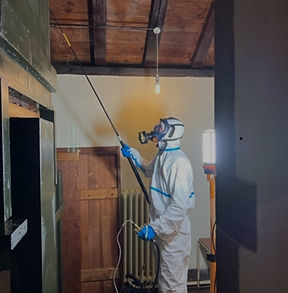
For pest management technicians, PPE may include disposable gloves, chemical-resistant gloves, coveralls, safety footwear, eye protection, respiratory protective equipment (RPE), hard hats or fall protection equipment, depending on the nature of the work.
However, PPE should always be considered the last line of defence. Following the hierarchy of control, risks should first be eliminated or reduced through safer working methods before relying on protective equipment.
Work at Height Regulations 2005
Working at height remains one of the leading causes of workplace injury across many industries, and pest management is no exception.
Whether accessing loft spaces, installing bird proofing systems, inspecting elevated structures or undertaking tasks where access equipment may be required, technicians must comply with the Work at Height Regulations 2005.
The Regulations require work at height to be:
Properly planned.
Appropriately supervised.
Carried out by competent persons.
Undertaken using suitable equipment.
Before beginning work, technicians should consider whether working at height can be avoided altogether. Where it cannot, the safest means of access should be selected, equipment should be inspected and environmental factors such as weather conditions and ground stability should be taken into account.
Provision and Use of Work Equipment Regulations 1998 (PUWER)
Pest management relies on a wide range of equipment, from ladders and bait guns to powered fogging machines, sprayers and drills used during proofing work.
Under the Provision and Use of Work Equipment Regulations 1998 (PUWER), employers must ensure equipment is suitable for its intended purpose, properly maintained, inspected where necessary and used only by competent persons who have received appropriate instruction and training.
Regular equipment inspections, maintenance records and pre-use checks all contribute to demonstrating compliance and reducing the likelihood of equipment-related incidents. PUWER is not just about maintenance; it includes suitability, inspection and safe use.
Pesticide Legislation
In addition to general health and safety law, pest professionals must also comply with legislation governing the use of pesticides and biocidal products.
In Great Britain, professional pesticide users must ensure that products are authorised for use under the relevant legislation, including the Control of Pesticides Regulations 1986 (as amended) and the retained EU Biocidal Products Regulation (EU) No 528/2012 where applicable. Users must comply with product labels, conditions of approval and any associated stewardship requirements.
Selecting the correct product, applying it at the appropriate rate and ensuring safe storage, transport and disposal should all form part of the planning process documented within RAMS.
Turning Legal Duties into Safe Working Practices
Legislation establishes the legal duties placed upon pest management businesses, but compliance is achieved through the actions taken before arriving on site and throughout the work itself.
Well-prepared RAMS bring these legal responsibilities together by identifying hazards, documenting control measures and communicating a clear, safe system of work. Rather than being viewed as an administrative exercise, they should be recognised as a practical tool that helps protect technicians, clients, members of the public and the reputation of the pest management profession.
When completed thoughtfully and reviewed regularly, RAMS provide evidence that safety has been considered at every stage of the job—transforming legal obligations into everyday professional practice.
Why Pest Control Is a High-Risk Profession
To those outside the industry, pest management may appear relatively straightforward. A technician arrives on site, inspects the property, carries out a treatment and leaves. In reality, every visit requires a series of professional judgements that balance effective pest control with the safety of technicians, clients, the public and the environment.
Unlike many occupations, pest management rarely takes place in controlled conditions. Every property is different, every infestation presents unique challenges, and the hazards encountered can change from one visit to the next.
A domestic loft, a food manufacturing facility, a primary school, a livestock farm and a city-centre restaurant all present very different risks, even when dealing with the same pest species.
This constantly changing working environment is one of the reasons why suitable, site-specific RAMS are so important. They encourage technicians to stop, assess the situation and plan the safest approach before work begins.
Physical Hazards
Many pest management tasks involve physical risks that can result in serious injury if not properly managed. Technicians frequently work in roof voids, loft spaces, basements, service ducts and plant rooms where lighting is poor, access may be restricted and structural hazards are not always immediately visible.
Fragile ceilings, exposed insulation, uneven flooring, low headroom and hidden trip hazards all increase the likelihood of accidents.
Working at height remains another significant consideration. Accessing roof spaces, treating wasp nests beneath roof tiles, installing bird proofing systems or inspecting elevated structures often requires ladders, access equipment or mobile platforms. These tasks demand careful planning, competent use of equipment and ongoing assessment of weather conditions and site stability.

Manual handling also presents a daily challenge. Carrying ladders, compressed sprayers, bait stations, proofing materials and equipment over long distances or through confined spaces can place considerable strain on the musculoskeletal system if appropriate techniques are not used.
Chemical Hazards
Professional pest management relies on the responsible use of pesticides and other chemical products. While these products are authorised for use when applied correctly, they must always be handled with care.
Technicians need to consider potential exposure during transport, mixing, application, equipment cleaning and waste disposal. The risks are not limited to the operator; customers, colleagues, contractors, pets, wildlife and members of the public may also be affected if treatments are poorly planned or control measures are not followed.
Selecting the correct product is only one part of the process. Safe application methods, appropriate PPE, ventilation, exclusion periods where applicable and clear communication with clients all play an important role in reducing risk.
Biological Hazards
Working directly with pest species exposes technicians to biological hazards that are rarely encountered in many other professions. Rodents, birds and insects can carry pathogens capable of causing illness, while accumulated droppings, nesting materials and contaminated dust may present additional health risks during inspections and proofing work.
Although the likelihood of infection is often low when appropriate precautions are followed, technicians should never underestimate the importance of good hygiene practices, suitable PPE and safe cleaning procedures when working in contaminated environments.
Animal bites, scratches and stings also remain an occupational hazard. Wasp nest removals, in particular, require careful planning, as disturbed colonies can become highly defensive, increasing the risk of multiple stings to technicians and anyone nearby.
Environmental Risks
Modern pest management extends beyond controlling pests—it also requires protecting the environment. Professional technicians have a responsibility to minimise the impact of their work on non-target species, watercourses, soil and wildlife. Careful product selection, accurate application techniques and secure bait placement all help reduce the risk of environmental contamination.
Weather conditions can also influence both safety and treatment effectiveness. High winds may affect spray applications or ladder stability, heavy rainfall can compromise baiting strategies, and extreme heat may increase the physical demands placed on technicians working in roof voids or enclosed spaces.
Considering environmental factors before work begins is an important part of producing effective, site-specific RAMS.
Risks to Others
Perhaps the greatest responsibility placed upon pest management professionals is protecting those who are not directly involved in the work. Treatments often take place in occupied premises, including homes, schools, hospitals, care homes, restaurants, warehouses and public spaces. Each environment introduces different risks that must be considered before treatment begins.
Technicians should think beyond their own safety by considering questions such as:
Could a child gain access to this bait station?
Will customers walk beneath the area where work is taking place?
Are vulnerable people, pets or livestock present?
Could contractors unknowingly enter the treatment area?
Is additional signage or temporary exclusion required?
These considerations are fundamental to effective risk management and demonstrate the professionalism expected of today's pest management industry.
Dynamic Risk Assessment
No matter how comprehensive a RAMS document may be, it cannot predict every situation a technician will encounter. A damaged roof discovered during an inspection, unexpected asbestos warning labels, aggressive dogs, deteriorating weather conditions or members of the public entering a treatment area may all require the original plan to be reconsidered.
This is where dynamic risk assessment becomes an essential professional skill.
Dynamic risk assessment is the continuous process of observing the working environment, identifying new hazards and adapting working methods to maintain safety throughout the task. It complements, rather than replaces, formal RAMS and reflects the competence expected of trained pest management professionals.
Sometimes, the safest decision is not to continue.
If risks cannot be adequately controlled, work should be postponed until additional control measures, equipment or specialist assistance can be provided. Knowing when to stop is a sign of professionalism, not failure.
Planning Before Action
Successful pest management is about far more than eliminating pests. Every treatment requires technicians to assess hazards, communicate effectively and make informed decisions that protect people, property and the environment.
By recognising the diverse risks associated with the profession and planning work accordingly, RAMS become much more than a compliance document. They form the foundation of safe, professional pest management, helping technicians deliver effective treatments while maintaining the highest standards of health, safety and environmental responsibility.
Building a Suitable and Sufficient Risk Assessment
A risk assessment should never be viewed as a form to complete simply because legislation or a client requires it. At its core, a good risk assessment is a planning exercise—one that helps pest management professionals identify hazards, evaluate the level of risk and decide how those risks can be controlled before work begins.
The phrase "suitable and sufficient", used within the Management of Health and Safety at Work Regulations 1999, is particularly important. It recognises that not every job carries the same level of risk, and therefore not every assessment needs to be equally detailed. A routine inspection of a domestic property may require a relatively straightforward assessment, whereas proofing works on a fragile industrial roof or pest management within a food manufacturing facility will demand considerably more planning and documentation.
The objective is not to eliminate every conceivable risk—an impossible task in most working environments—but to ensure that hazards have been identified, appropriate precautions have been implemented and the remaining level of risk is as low as is reasonably practicable.
Step One:
Understand the Site Before Starting Work
An effective risk assessment begins before tools are unloaded from the vehicle.
Where possible, technicians should gather information in advance, particularly for commercial contracts or high-risk sites. Existing RAMS, asbestos registers, site rules, permit-to-work systems, emergency procedures and client-specific health and safety requirements should all be reviewed before attending site.
On arrival, the initial walk-through is one of the most valuable parts of the assessment process.
Rather than focusing immediately on the pest activity, experienced technicians first observe the wider environment.
Questions to consider include:
Are there any obvious access or egress issues?
Is the work area adequately lit?
Are there vulnerable occupants present?
Is vehicle movement creating additional hazards?
Are there contractors working nearby?
Are there overhead services, fragile roofs or confined spaces?
Has anything changed since the previous visit?
These early observations often identify risks that would not appear on a generic assessment template.
Step Two:
Identify the Hazards
One of the most common mistakes is confusing a hazard with a risk. A hazard is anything with the potential to cause harm. The risk is the likelihood that harm will occur and the severity of the consequences if it does.
For example, a loft hatch is not necessarily the hazard. The hazard may be falling through an inadequately boarded loft, while the associated risk is serious injury resulting from that fall.
Thinking in this way encourages technicians to identify the underlying causes of accidents rather than simply recording the location where work is taking place.
Common hazards encountered in pest management include:
Falls from height.
Fragile roofs and ceilings.
Hazardous substances.
Electrical installations.
Confined or poorly ventilated spaces.
Manual handling.
Biological contamination.
Aggressive animals.
Sharps and discarded needles.
Slips, trips and uneven surfaces.
Lone working.
Members of the public entering the work area.
The list is rarely exhaustive, which is why every assessment should remain site specific.
Step Three:
Decide Who Could Be Harmed
An effective assessment considers everyone who may be affected by the work—not just the technician.
Depending on the location, this may include:
Employees.
Clients.
Visitors.
Contractors.
Members of the public.
Children.
Patients.
Care home residents.
Food production staff.
Delivery drivers.
Pets.
Livestock.
Protected wildlife.
Considering different groups often changes the control measures required. For example, servicing bait stations within a secure plant room presents very different risks to placing rodenticide near a school playground or treating a wasp nest adjacent to a busy cafe terrace.
Step Four:
Apply the Hierarchy of Control
One of the principles underpinning UK health and safety legislation is that risks should be controlled at their source wherever possible, rather than relying solely on PPE. This approach is commonly known as the hierarchy of control.
In simple terms, technicians should ask themselves:
Can the hazard be eliminated altogether?
Can the work be avoided or carried out differently?
Can safer equipment or products be used?
Can physical barriers or engineering controls reduce the risk?
Can administrative controls such as signage, exclusion zones or revised working procedures improve safety?
Is PPE required to control any remaining residual risk?
For example, if a wasp nest can be treated safely from ground level using appropriate application equipment, this may remove the need to work from a ladder altogether. Likewise, scheduling treatments outside normal business hours may reduce risks to customers and staff far more effectively than relying on warning signs alone.
PPE remains an important control measure, but it should never be viewed as the first or only solution.
Step Five:
Record Significant Findings
A useful risk assessment should be clear enough that another competent person could understand the hazards identified and the precautions required. Avoid vague statements such as "Take care" or "Wear PPE."
Instead, record specific actions, for example:
Establish a temporary exclusion zone around the treatment area using cones and signage.
Inspect ladder before use and secure at the correct angle.
Wear nitrile gloves and eye protection during insecticide application in accordance with the product label and COSHH assessment.
Confirm no unauthorised persons remain within the treatment area before commencing work.
Clear documentation improves consistency and demonstrates that risks have been considered thoughtfully rather than completed as a paperwork exercise.
Step Six:
Review and Adapt
Risk assessments should never be regarded as static documents.
Conditions change.
Weather deteriorates.
Additional contractors arrive.
Structural defects become apparent.
Public access increases.
Unexpected hazards emerge.
Competent pest management professionals continually reassess the working environment throughout the task and modify their working methods where necessary. If new risks cannot be controlled adequately, work should stop until suitable measures can be introduced.
Reviewing an assessment is not an admission that the original document was inadequate—it is evidence that risk management is an active process.
From Compliance to Competence
Perhaps the greatest misconception surrounding risk assessments is that they exist to satisfy auditors or clients. In reality, their true value lies elsewhere. A well-prepared assessment encourages technicians to pause, observe, ask questions and think critically before beginning work.
It supports informed decision-making, promotes consistent standards across a business and provides a documented record of how risks were managed.
Ultimately, a suitable and sufficient risk assessment is far more than a legal obligation. It reflects professional competence, protects people from harm and underpins the safe, responsible delivery of pest management services.
When approached with the right mindset, it becomes one of the most valuable tools a pest management professional carries—not in the toolbox, but in the planning process that takes place before every job.
Writing Effective Method Statements:
Turning Planning into Safe Practice
Once a suitable and sufficient risk assessment has identified the hazards associated with a task, the next step is to determine how the work will be carried out safely. This is the purpose of a Method Statement.
A method statement is one way of documenting a Safe System of Work (SSoW), providing a clear, logical sequence for completing a task while applying the control measures identified during the risk assessment.
For pest management professionals, a well-written method statement ensures that everyone involved understands not only what work is being undertaken, but how it will be completed safely, consistently and efficiently.
More Than a Tick-Box Exercise
One of the biggest misconceptions is that method statements are only required for large construction projects or high-risk commercial contracts. In reality, method statements have a valuable role across all areas of professional pest management. Whether carrying out a routine rodent inspection, treating a wasp nest, installing bird proofing systems or undertaking proofing works in a food production facility, documenting the safest method of work helps reduce uncertainty and improve consistency.

Importantly, a method statement should never be copied blindly from a generic template. Every site presents different hazards, access arrangements and operational constraints. A document that accurately describes one job may be entirely unsuitable for another.
The best method statements are concise, site-specific and easy for technicians to follow.
What Should a Method Statement Include?
Although the format may vary between organisations, an effective method statement will normally include the following information:
A description of the work being undertaken.
The location of the work.
The names or roles of those carrying out the task.
The sequence in which the work will be completed.
The equipment, machinery and materials required.
The pesticides or biocidal products to be used, where applicable.
Relevant COSHH assessments.
Required Personal Protective Equipment (PPE).
Access arrangements and any restrictions.
Control measures identified during the risk assessment.
Emergency procedures.
Waste handling and disposal arrangements.
Environmental protection measures.
Arrangements for leaving the site safe upon completion.
Rather than simply listing these headings, each section should provide meaningful information that reflects the actual work being undertaken.
Describe the Work Step by Step
A common weakness of many method statements is that they are too vague to be useful. For example, writing "Treat wasp nest safely" provides very little practical guidance.
A more effective method statement might describe the sequence of work as follows:
Report to the client and confirm the exact location of the nest.
Inspect the surrounding area for hazards, including overhead cables, unstable ground, public access and weather conditions.
Establish an exclusion zone where necessary to protect occupants and passers-by.
Don the required PPE identified within the risk assessment and COSHH assessment.
Prepare application equipment in accordance with the product label.
Apply the authorised insecticide using the approved application technique while maintaining a safe distance.
Monitor the treatment area before removing equipment.
Advise the client on post-treatment precautions and expected wasp activity.
Remove waste, signage and equipment before leaving the site.
This structured approach ensures that safety considerations are incorporated throughout the task rather than treated as an afterthought.
Keep It Practical
Method statements are operational documents, not legal textbooks. Technicians carrying out the work should be able to read the document quickly and understand exactly what is expected of them.
Avoid unnecessary jargon or lengthy passages copied from legislation. Instead, use clear language that describes the work in a logical order.
Remember that the method statement may also be reviewed by clients, facilities managers, health and safety advisers or auditors. A clear, professional document demonstrates competence and builds confidence in the service being provided.
Preparing for the Unexpected
No matter how well a task is planned, unexpected situations can arise. An effective method statement should explain what technicians should do if conditions change.
Examples might include:
Work at height becomes unsafe due to deteriorating weather.
Public access cannot be adequately controlled.
Evidence of asbestos-containing materials is discovered.
Structural defects make access unsafe.
Protected wildlife is encountered.
The proposed treatment can no longer be carried out safely.
Rather than encouraging technicians to continue regardless, the method statement should make it clear that work must stop, the situation reassessed and further guidance sought where necessary.
Empowering technicians to pause work when safety cannot be assured is a hallmark of a strong safety culture.
Communication Is Essential
A method statement is only effective if it is communicated to those carrying out the work. Employers should ensure technicians understand the safe system of work before starting the task, particularly where work involves higher-risk activities, unfamiliar sites or multiple contractors.

Where appropriate, method statements should also be shared with clients or principal contractors so that everyone understands the planned sequence of work, any temporary restrictions, exclusion zones or emergency arrangements.
Good communication reduces misunderstandings, improves coordination and helps prevent incidents before they occur.
Reviewing Method Statements
Method statements should not remain unchanged indefinitely.
They should be reviewed whenever:
The scope of work changes.
Different equipment or pesticides are introduced.
New hazards are identified.
Legislation or industry guidance is updated.
An accident, near miss or safety concern highlights the need for improvement.
Lessons are learned from previous jobs.
Regular review ensures that safe systems of work continue to reflect current best practice rather than historical assumptions.
A Reflection of Professional Standards
The most effective method statements do more than satisfy contractual requirements—they demonstrate professionalism. They show that work has been planned, hazards have been considered and technicians have been provided with clear guidance on how to complete the task safely.
They also promote consistency across teams, making it more likely that every technician approaches the same task to the same high standard.
Combined with a suitable and sufficient risk assessment, a well-written method statement transforms health and safety from a compliance exercise into a practical system that supports competent decision-making, protects people and property, and reinforces the professionalism of the pest management industry.
Ultimately, the quality of a method statement reflects the quality of the organisation behind it. When prepared thoughtfully, reviewed regularly and communicated effectively, it becomes one of the clearest demonstrations of a pest management company's commitment to safety, competence and continuous improvement.
Practical Examples from Pest Control Operations
No two pest management jobs are identical. Even where the target pest is the same, the environment, occupants and surrounding hazards can vary significantly. This is why effective RAMS should always be proportionate to the task and tailored to the site.
The following examples illustrate how experienced pest professionals use risk assessments and method statements to identify hazards, implement control measures and deliver work safely. They are not intended to replace site-specific RAMS but instead demonstrate the practical thinking that underpins safe, professional pest management.
Scenario 1:
Wasp Nest Removal at a Domestic Property
A homeowner reports increased wasp activity around the eaves of a two-storey property. Following an inspection, an active wasp nest is identified beneath the roof tiles above the front entrance.
Key Hazards
Aggressive wasp behaviour and the risk of multiple stings.
Occupants or visitors entering the treatment area.
Members of the public using the adjacent footpath.
Vehicles entering or leaving the driveway.
Adverse weather conditions affecting treatment safety and effectiveness.
Potential work at height if the nest cannot be accessed safely from ground level.
Risk Control Measures
Before work begins, the technician carries out a site-specific risk assessment, confirms that weather conditions are suitable and identifies the safest method of treatment. Where possible, the nest is treated from ground level using specialist telescopic application equipment, eliminating the need to work at height and significantly reducing the risk of falls.
The area directly beneath the treatment location is temporarily restricted using appropriate signage or barriers to prevent occupants, visitors and members of the public from entering the exclusion zone.
The technician wears the PPE identified within the risk assessment and COSHH assessment, inspects all application equipment before use and prepares the authorised insecticide in accordance with the product label.
If strong winds, heavy rainfall or other environmental conditions could compromise the safety or effectiveness of the treatment, the work is postponed until conditions improve. Should safe ground-level treatment not be possible, alternative access methods are assessed before any work at height is considered.
Method Statement Highlights
The technician reports to the client, confirms the location of the nest and carries out a final dynamic risk assessment before commencing work. An exclusion zone is established where necessary, and the nest is treated using specialist ground-level application equipment wherever practicable.
Following treatment, the technician monitors the immediate area, removes any temporary safety measures once it is safe to do so, advises the client on expected wasp activity over the following 24–48 hours, and provides guidance on when the nest can be safely removed if required.
Scenario 2:
Rodent Control Within a Primary School
A school has reported signs of rodent activity around refuse storage areas and within an external boiler room.
Key Hazards
Children accessing treatment areas.
School staff and contractors.
Delivery vehicles.
Potential secondary poisoning of non-target species.
Public access before and after school hours.
Risk Control Measures
The treatment is planned in consultation with the school to avoid pupil arrival, break times and collection periods wherever possible. Tamper-resistant bait stations are securely installed in locations inaccessible to children and clearly recorded on the site plan.
Where appropriate, non-toxic monitoring methods are considered as part of an Integrated Pest Management (IPM) approach before the use of rodenticides. School representatives are informed of treatment locations, inspection schedules and emergency contact procedures.
Method Statement Highlights
The technician signs in, complies with safeguarding and site induction procedures, confirms authorised access, services the monitoring or bait stations, records all findings, removes any waste and signs out before leaving site.
Scenario 3:
Bird Proofing on a Commercial Building
A facilities management company has commissioned bird proofing works to prevent feral pigeons roosting on roof-mounted plant equipment.
Key Hazards
Working at height.
Fragile roof surfaces.
Falling objects.
Manual handling of equipment.
Adverse weather.
Other contractors working nearby.
Risk Control Measures
Prior to work commencing, roof access arrangements are confirmed with the client, and the roof is inspected for fragile surfaces and designated walkways. Exclusion zones are established below the work area where there is a risk of falling tools or materials.
Only trained and competent personnel undertake the work using suitable access equipment and appropriate fall protection where required. Weather conditions are monitored throughout the task, with work suspended if conditions become unsafe.
Method Statement Highlights
The team completes the roof access procedure, inspects equipment, installs bird proofing systems in accordance with the manufacturer's guidance, removes all waste materials and conducts a final inspection to ensure the area is left safe and secure.
Scenario 4:
Rodent Inspection Within a Food Manufacturing Facility
A routine inspection is carried out as part of a pest management contract for a food manufacturing site operating under strict food safety controls.
Key Hazards
Food contamination.
Vehicle movements.
Machinery and production equipment.
Hygiene requirements.
Contractor management procedures.
Restricted production areas.
Risk Control Measures
The technician follows the site's contractor induction procedures, wears designated PPE and complies with hygiene protocols before entering production areas. Inspection equipment is clean and suitable for use within food premises.
Any pesticide use is planned carefully, with product selection and placement reflecting the site's food safety management system and the principles of Integrated Pest Management.
Findings are communicated immediately where evidence of pest activity presents a potential food safety risk.
Method Statement Highlights
The technician signs in, follows the designated inspection route, services monitoring devices, records findings digitally, reports recommendations to the site representative and ensures all equipment leaves the production area in a clean condition.

Scenario 5:
Loft Inspection Following Reports of Rodent Activity
A technician attends a domestic property after the homeowner reports scratching noises in the loft during the night.
Key Hazards
Fragile ceilings.
Poor lighting.
Dust and insulation fibres.
Electrical wiring.
Rodent contamination.
Restricted movement within the loft.
Risk Control Measures
Before entering the loft, the technician assesses the access point, confirms suitable lighting and checks whether safe boarding is present. Appropriate PPE and, where necessary, suitable respiratory protective equipment (RPE) are worn to reduce exposure to dust and biological contaminants.
Movement within the loft is restricted to boarded areas, and care is taken to avoid damaging electrical services or ceiling structures. If structural concerns or unsafe access are identified, entry is not attempted until appropriate control measures have been implemented.
Method Statement Highlights
The technician explains the inspection process to the homeowner, safely accesses the loft, completes the inspection while remaining within designated safe areas, records evidence of activity, photographs relevant findings and provides recommendations before leaving the property.
A Common Thread: Planning Before Action
Although each of these scenarios involves different pests and working environments, they all follow the same structured approach. The technician begins by understanding the site, identifying the hazards, considering who may be affected and implementing suitable control measures before work starts.
Throughout the task, conditions are continually monitored and, where necessary, a dynamic risk assessment is undertaken to respond to changing circumstances.
This consistent approach demonstrates why RAMS are far more than paperwork. They provide a framework for professional decision-making, helping technicians balance effective pest management with the safety of colleagues, clients, members of the public and the environment.
Perhaps most importantly, these examples illustrate that effective RAMS are never generic. They are living documents that reflect the unique circumstances of each job, enabling technicians to adapt safely while maintaining the high standards expected of today's professional pest management industry.
Site-Specific RAMS:
Why Generic Templates Can Create Risk
Templates have an important place in professional pest management. They provide consistency, save time and ensure that common hazards are not overlooked. Many businesses use standardised Risk Assessments and Method Statements (RAMS) for routine activities such as inspections, rodent servicing, wasp nest treatments and proofing works.
However, a template should never be mistaken for a completed risk assessment.
Every pest management professional will have experienced situations where two jobs appear identical on paper but present entirely different risks once on site. A wasp nest at one property may be safely accessible from ground level, while another may require work at height above a public footpath.
The difference is not the pest—it is the environment in which the work is carried out.
A routine rodent inspection at one food premises may involve little more than servicing monitoring devices, whereas another may coincide with maintenance contractors, vehicle movements and production activities that significantly increase the level of risk.
A Template Is Only the Starting Point
Generic RAMS provide a useful framework, particularly for recurring tasks, but they cannot account for every variable encountered on site. A suitable template might include hazards associated with:
Working at height.
Manual handling.
Pesticide application.
Biological contamination.
Lone working.
Slips and trips.
What it cannot predict are the site-specific factors that often determine whether work can proceed safely.
For example:
Is there safe access to the treatment area?
Are vulnerable people present?
Has the client recently altered the building?
Are other contractors working nearby?
Has the weather changed since the RAMS were prepared?
Are there overhead power lines or fragile roof surfaces?
Is there evidence of asbestos-containing materials?
Has a previously secure work area become accessible to the public?
These are the questions that transform a generic template into a suitable and sufficient risk assessment.
Professional Judgement Cannot Be Replaced
One of the greatest strengths of a competent pest management technician is the ability to recognise hazards that were not anticipated before arriving on site. No document, regardless of how comprehensive it may appear, can replace professional observation and experience.
A technician arriving at a commercial property may discover that scaffolding has been erected since the previous visit. A planned inspection route may now be obstructed, roof access restricted or emergency exits temporarily altered. These changes may introduce new hazards that require additional control measures or even prevent the work from being carried out safely.
Similarly, a domestic treatment may appear straightforward until the technician discovers an aggressive dog in the garden, a damaged loft hatch or evidence of structural instability.
These situations cannot be predicted by generic paperwork alone.
They require competent individuals who understand when existing RAMS remain appropriate and when they need to be reviewed, amended or suspended altogether.
Dynamic Risk Assessment Complements Formal RAMS
A common misconception is that completing RAMS before arriving on site removes the need for further assessment. In reality, the opposite is true.
Formal RAMS establish the planned safe system of work, while dynamic risk assessment ensures that plan remains appropriate as conditions change.
Experienced technicians continually assess their surroundings throughout the working day.
They monitor:
Changes in weather.
Public access.
Vehicle movements.
Client activities.
Structural conditions.
Equipment performance.
Unexpected hazards.
If circumstances change significantly, the safest course of action may be to stop work temporarily, revise the control measures or rearrange the visit entirely.
This flexibility is not a weakness—it is evidence of a mature safety culture and a competent workforce.
The Risks of Copy-and-Paste Documentation
One of the greatest dangers associated with generic RAMS is complacency.
Documentation copied from previous jobs without careful review can create a false sense of security. Hazards may no longer be relevant, important risks may be omitted and control measures may bear little resemblance to the work actually being undertaken.
Should an accident occur, investigators are unlikely to be reassured by a risk assessment that refers to equipment not being used, hazards not present or control measures that were never implemented.
Effective RAMS should accurately reflect reality.
If the document does not describe the work being undertaken, it is unlikely to provide meaningful protection for either the technician or the business.
Clients Notice the Difference
Commercial clients are becoming increasingly knowledgeable about contractor management and health and safety. Facilities managers, schools, local authorities, food manufacturers and principal contractors frequently review RAMS before work is authorised.
Generic documentation containing incorrect site names, irrelevant hazards or contradictory information does little to inspire confidence.
By contrast, concise, accurate and site-specific RAMS demonstrate professionalism. They reassure clients that the contractor has taken the time to understand the site, identify genuine risks and develop an appropriate safe system of work.
In many cases, the quality of the RAMS presented before work begins creates the client's first impression of the organisation's competence.
Building a Positive Safety Culture
Ultimately, the most effective RAMS are not those with the greatest number of pages, but those that encourage technicians to think critically about the work ahead. Templates should support professional judgement—not replace it.
When technicians understand why hazards are being assessed, rather than simply completing forms because they are required, health and safety becomes part of everyday decision-making rather than an administrative exercise.
This is the foundation of a positive safety culture.
Organisations that encourage open communication, regular review of RAMS and continual learning are better placed to identify emerging risks, improve working practices and protect both their employees and their clients.
From Paperwork to Professionalism
The purpose of RAMS has never been to produce perfect paperwork. Their real value lies in helping competent people make informed decisions before work begins and throughout the task.
Templates undoubtedly have an important role to play, but they are only effective when combined with site-specific observations, dynamic risk assessment and professional judgement.
By treating RAMS as living documents rather than static forms, pest management businesses not only strengthen legal compliance but also demonstrate the professionalism, competence and commitment to safety that clients increasingly expect from today's industry leaders.
Creating a Positive Safety Culture: Making RAMS Part of Everyday Pest Management
Risk Assessments and Method Statements are often viewed as individual documents completed before work begins. In reality, they are only one part of a much wider health and safety culture.
The most successful pest management businesses do not see RAMS as paperwork produced to satisfy legislation or contractual requirements.
Instead, they use them as practical tools that encourage planning, communication and continuous improvement. When this mindset becomes embedded throughout an organisation, health and safety evolves from a compliance exercise into a core professional value.
A positive safety culture is not created by policies alone. It is built through leadership, training, open communication and the everyday decisions made by technicians, supervisors and managers.
Leadership Sets the Standard
Every organisation, regardless of size, takes its lead from those at the top.
Whether it is a sole trader or a national pest management company, the attitudes demonstrated by business owners, directors and supervisors influence how health and safety is perceived throughout the organisation.
If RAMS are treated as paperwork to be completed as quickly as possible, technicians are likely to adopt the same approach.
Conversely, when leaders actively discuss risk assessments, review method statements, encourage questions and allocate sufficient time for planning, they reinforce the message that safety is an essential part of delivering a professional service.
Leadership is not simply about enforcing rules—it is about creating an environment where technicians understand why safe working practices matter.
Competence Through Training and Development
No document can compensate for a lack of competence. Effective RAMS rely on technicians having the knowledge and experience to recognise hazards, evaluate risks and implement appropriate control measures.
Initial training provides the foundations, but competence should continue to develop throughout a technician's career through continuing professional development (CPD), refresher training, mentoring and practical experience.
Changes in legislation, new treatment techniques, emerging technologies and evolving industry guidance all reinforce the need for continuous learning.
Encouraging technicians to share knowledge, discuss challenging jobs and learn from one another strengthens both individual competence and organisational resilience.
Encouraging Open Communication
One of the strongest indicators of a positive safety culture is whether technicians feel comfortable raising concerns. No employee should feel under pressure to continue working if conditions have changed or if they believe a task can no longer be completed safely.
Open communication allows hazards to be identified early, reducing the likelihood of incidents and encouraging collaborative problem-solving.
Simple practices such as pre-start discussions, post-job debriefs and regular team meetings can provide valuable opportunities to share experiences, discuss lessons learned and improve future RAMS.
Health and safety works best when communication flows in every direction—not simply from management to technicians.
Learning from Near Misses
Not every safety incident results in an injury. A ladder slipping without causing a fall, discovering an unstable loft floor before entering or identifying damaged electrical wiring during an inspection are all examples of near misses. These events provide valuable learning opportunities.
Rather than viewing near-miss reporting as an administrative burden, progressive organisations recognise that every report offers an opportunity to improve procedures before someone is harmed.
Reviewing near misses can highlight recurring hazards, identify weaknesses in existing RAMS and lead to more effective control measures across the business.
An open reporting culture also demonstrates that preventing accidents is valued just as highly as responding to them.
Making RAMS Part of Every Visit
One of the greatest strengths of experienced pest management professionals is that they naturally think about risk before taking action.
They pause before opening a loft hatch.
They assess ladder stability before climbing.
They consider where members of the public may be walking.
They identify vulnerable occupants before selecting treatment methods.
These behaviours become routine because safety has become part of the technician's professional mindset, not simply a requirement recorded on paper.
When RAMS support this way of thinking, they become practical working documents rather than forms completed at the beginning of the day and forgotten.
Continual Review and Improvement
Health and safety should never stand still. Businesses should regularly review their RAMS to ensure they continue to reflect current legislation, operational practices, equipment and industry guidance.
Feedback from technicians is particularly valuable, as those working on site are often the first to identify practical improvements or emerging risks.
Periodic audits, management reviews and internal inspections also help verify that documented procedures are being followed in practice and remain fit for purpose. Continuous improvement is a hallmark of every successful safety management system.
Supporting Professional Standards
Professional pest management extends beyond eliminating pests. It encompasses protecting people, safeguarding property, preserving the environment and maintaining the trust of clients.
Robust RAMS play an important role in achieving these objectives, but their effectiveness ultimately depends upon the culture in which they are used.
Businesses that invest in competent people, encourage open communication and continually review their working practices are not simply meeting their legal obligations—they are demonstrating the professionalism that clients increasingly expect from BPCA members and the wider pest management industry.
Safety as a Measure of Professionalism
The strongest safety cultures are rarely the result of a single policy or document.
They are built gradually through thousands of everyday decisions made by technicians who choose to stop, assess, communicate and plan before acting.
RAMS provide the structure for those decisions, but it is people who bring them to life. When every member of a pest management business understands that health and safety is a shared responsibility, RAMS become far more than a compliance requirement.
They become an integral part of delivering safe, effective and professional pest management services—protecting technicians, clients, the public and the reputation of the industry itself.
Raising Professional Standards
RAMS are far more than a compliance exercise — they're a cornerstone of safe, professional pest management. By identifying hazards, documenting safe systems of work, and communicating risks clearly, they help protect technicians, customers, and the public while supporting legal compliance and building client confidence.
Whether carrying out a routine inspection or a complex treatment in a high-risk environment, investing time in robust, site-specific RAMS helps deliver safer outcomes and demonstrates the high standards expected of today's pest management professionals.
Frequently Asked Questions About RAMS in Pest Control
What does RAMS stand for in pest control?
RAMS stands for Risk Assessments and Method Statements. In pest management, RAMS are used to identify potential hazards, assess the risks associated with carrying out the work and document the safe system of work that will be followed. They help ensure pest control activities are planned, communicated and completed safely.
Are RAMS legally required for pest control work in the UK?
UK legislation does not specifically require a document called “RAMS”. However, employers and self-employed persons have legal duties to assess risks, implement suitable control measures and provide safe systems of work under health and safety legislation, including the Health and Safety at Work etc. Act 1974 and the Management of Health and Safety at Work Regulations 1999.
In practice, RAMS are one of the most effective ways for pest management businesses to demonstrate that these responsibilities have been considered and managed.
What legislation applies to pest control risk assessments?
Several areas of UK legislation may apply depending on the type of pest management work being carried out. This can include:
Health and Safety at Work etc. Act 1974 – establishing general duties to protect employees and others affected by work activities.
Management of Health and Safety at Work Regulations 1999 – requiring suitable and sufficient risk assessments.
Control of Substances Hazardous to Health (COSHH) Regulations 2002 – covering risks associated with hazardous substances, including many pest control products.
Work at Height Regulations 2005 – where tasks involve working at height.
Provision and Use of Work Equipment Regulations 1998 (PUWER) – covering the safe use and maintenance of work equipment.
The specific requirements will depend on the task, environment and risks involved.
Why should pest control RAMS be site-specific?
Every pest management environment presents different hazards. A domestic property, food manufacturing facility, school, healthcare site or warehouse will each have different access arrangements, occupants, operational requirements and potential risks.
Site-specific RAMS demonstrate that the work has been properly planned and that control measures reflect the actual conditions where the treatment or inspection will take place.
Generic templates can provide a useful starting point, but they should always be reviewed and adapted to suit the individual site and task.
What is the difference between a risk assessment and a method statement?
A risk assessment identifies the hazards associated with the work, who may be affected, the level of risk and the control measures required to reduce that risk.
A method statement explains how the work will be carried out safely by describing the planned sequence of activities, equipment required, control measures and safe working procedures.
In simple terms:
The risk assessment explains what could cause harm and how the risks will be controlled. The method statement explains how the job will be completed safely.
When should a pest control risk assessment be reviewed?
A pest control risk assessment should be reviewed whenever there is a significant change to the work, environment or identified risks.
This may include:
A change to the treatment method or equipment used.
Introduction of new products or substances.
Changes to the site layout or access arrangements.
New hazards being identified during a visit.
Changes in legislation or industry guidance.
Following an incident, near miss or safety concern.
Risk assessments should be treated as living documents and reviewed whenever circumstances change.
Why is dynamic risk assessment important in pest management?
Dynamic risk assessment allows pest management professionals to continually assess risks while work is being carried out.
Even with thorough planning, unexpected hazards may arise on site, such as restricted access, changing weather conditions, structural issues, members of the public entering the work area or additional safety concerns not identified beforehand.
A competent technician must be able to recognise when conditions have changed, implement additional controls or stop work if it cannot be completed safely.
Do commercial businesses need a pest management risk assessment?
Commercial businesses have a responsibility to manage risks associated with pests and pest control activities within their premises. A pest management risk assessment helps organisations understand potential pest pressures, identify vulnerabilities and implement appropriate preventative measures.
For sectors such as food manufacturing, healthcare, education, hospitality, logistics and facilities management, a proactive pest management approach is often an essential part of wider health, safety, hygiene and compliance systems.
A suitable pest management risk assessment, supported by an effective Integrated Pest Management (IPM) programme, helps businesses reduce the risk of infestations, protect their reputation and demonstrate due diligence.
Commercial Pest Management Consultancy for High-Risk Sectors
Managing pest risks effectively requires far more than responding to infestations. Organisations are expected to demonstrate proactive pest management, protect public health, safeguard their reputation and comply with increasingly stringent food safety, health and safety and environmental standards.
PGM Commercial Pest Management Consultancy service helps organisations develop effective, long-term pest management strategies that reduce risk, improve compliance and support best practice across their estates and facilities.
Whether you are reviewing an existing pest management contract, developing an Integrated Pest Management (IPM) programme, improving contractor performance or planning a new commercial development, we provide independent advice tailored to your organisation's operational requirements.
PGM consultancy services include:
Commercial Pest Management Strategies
Integrated Pest Management (IPM) Planning
Pest Risk Assessments for Commercial Premises
Pest Prevention and Proofing Consultancy
Contractor Specification and Tender Support
Independent Contract Reviews
Pest Management Audits
Site Plans and Mapping
Food Safety and Pest Management Support
Site Surveys and Pest Risk Reviews
Commercial Pest Management Specifications
Facilities Management Consultancy
New Build and Refurbishment Pest Prevention Advice
Supporting Commercial Sectors across Herefordshire and Worcestershire
Every industry faces its own pest pressures, regulatory requirements and operational challenges. A successful pest management programme should be tailored to the specific risks associated with each environment rather than relying on a one-size-fits-all approach.
We work with organisations across a wide range of commercial sectors, helping businesses develop proactive pest management strategies that support compliance, protect assets and minimise operational disruption.
Explore our specialist commercial sector guidance for:
Each sector page explores the common pest risks, legislative considerations, Integrated Pest Management (IPM) principles and best practice recommendations relevant to that industry, helping organisations understand how a proactive approach to pest management can reduce risk, improve compliance and protect both people and property.
Whether you're responsible for a single commercial property or managing a national portfolio, our consultancy services and sector-specific resources are designed to help you make informed decisions, strengthen your pest management strategy and create safer, healthier environments.