Bed Bugs in Hotels & Care Homes: Staff Guide

What should hotel housekeeping teams, care workers and housing staff do if they suspect bed bugs? Knowing what to look for, who to tell and what not to do can help prevent a small problem from becoming a much bigger one.
Navigation
A Guide for Frontline Staff
Bed bugs are not just a problem for private households. Hotels, guesthouses, care homes, supported housing, residential accommodation and other shared living environments can all experience infestations.
For staff working in these unique settings, spotting the early warning signs of bedbugs is particularly important. A suspected infestation may first come to light while changing bedding, cleaning a bedroom, carrying out a property inspection or responding to a resident's concerns.
The good news is that frontline staff do not need to be pest control experts to make a difference.
Recognising the signs, reporting concerns promptly and avoiding actions that could spread bed bugs are three of the most useful steps anyone can take.
Why Bed Bug Awareness Matters for Frontline Staff
On 23 October 2026, the British Pest Control Association (BPCA) reported the launch of a dedicated bed bug awareness course for frontline housing and hospitality staff.
Developed by BPCA member ThermoPest, the course is aimed at housing officers, caretakers, support workers, care staff and hotel housekeeping teams. Its purpose is straightforward: help the people who work closest to residents and guests recognise potential bed bug activity and understand when to raise the alarm.
This is particularly relevant in buildings with multiple bedrooms, flats or shared facilities, where delayed reporting or the movement of infested belongings can make an infestation more difficult to manage.
For hotels and accommodation providers, early detection can help reduce room disruption. In care settings, it also supports the wellbeing, dignity and comfort of residents who may need additional assistance.
What Are the Early Signs of Bed Bugs?
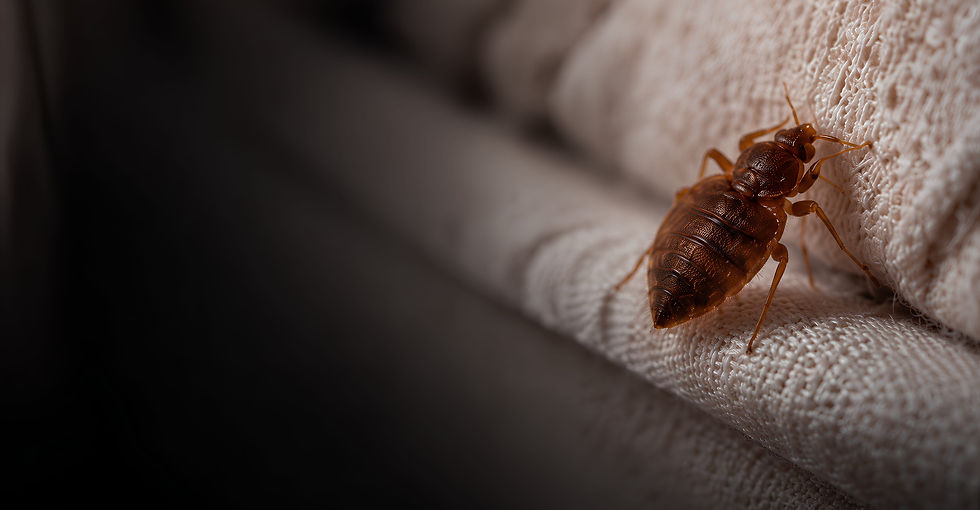
Bed bugs are small, flat, reddish-brown insects that feed on human blood. Adults are usually around 4–7 mm long, although younger bed bugs can be much smaller and harder to spot.

Bed bugs tend to hide close to where people sleep or rest, particularly in narrow cracks, seams and gaps.
Five Warning Signs Staff Should Look For
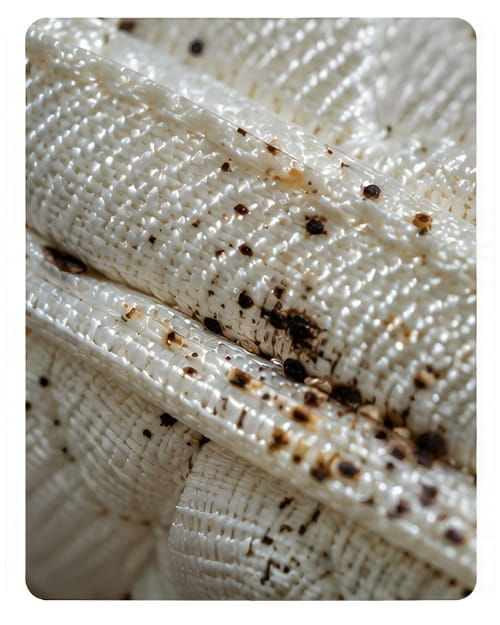
Small dark spots: Black or dark brown marks around mattress seams, bed frames, headboards or nearby furniture. These may be bed bug droppings.
Blood marks on bedding: Small reddish or rusty-coloured stains on sheets, pillowcases or mattresses.
Shed skins: Pale, translucent insect skins left behind as young bed bugs develop.
Live insects or eggs: Bed bugs may be found around mattress seams, bed frames, furniture joints and other sheltered areas. Their eggs are tiny and pale.
Reports of unexplained bites: Guests or residents may report itchy marks, particularly after sleeping. However, bites alone cannot confirm an infestation.
Not every mark on a mattress is caused by bed bugs, and not everyone reacts to their bites. How bed bugs spread.
If staff notice something suspicious, the next step should be to report it, not attempt to diagnose or treat the infestation themselves.
Where Should Housekeeping and Care Staff Check?
Routine cleaning and room inspections provide opportunities to notice early signs of bed bug activity.
Staff should pay particular attention to:
Mattress seams, piping and labels.
Headboards and accessible bed-frame joints.
The edges of bedding and pillows.
Bedside tables and nearby upholstered furniture.
Skirting boards and accessible cracks near beds.
Chairs, sofas and other furniture used regularly for resting.
In care homes and supported housing, staff should also be mindful of adjustable beds, wheelchairs, recliner chairs and personal belongings kept close to sleeping areas.
These checks should be visual and limited to accessible areas. Staff should not dismantle furniture, remove fixed headboards or disturb electrical fittings.
Routine housekeeping is not a substitute for a professional bed bug inspection, but a watchful member of staff can be the first person to recognise that something is wrong.
What Should Staff Do If They Find Suspected Bed Bugs?
Finding a possible bed bug during a routine shift can be unsettling, especially when working with vulnerable residents or hotel guests. The most important thing is to respond calmly.
1. Stop and Avoid Disturbing the Area
If a live insect or other suspicious evidence is found, avoid unnecessary handling, shaking bedding or moving furniture.
Do not strip the room in a hurry or carry potentially affected items through communal areas.
Unnecessary disturbance can make locating and containing an infestation more difficult.
2. Notify the Appropriate Person
Follow your workplace reporting procedure. Depending on the setting, this may mean informing:
A housekeeping supervisor or hotel duty manager.
A care home manager or senior care worker.
A supported housing manager or housing officer.
A facilities, maintenance or property management team.
Staff should not assume that another colleague has already reported the problem.
3. Record What You Have Found
A clear record can help managers and pest control technicians decide what needs to happen next.
Record the date and time, room or property reference, location of the suspected evidence and whether live insects were seen.
Photographs can be useful if they can be taken safely without disturbing the area. Keep any resident or guest information confidential and follow your organisation's data protection procedures.
4. Follow the Manager's Instructions
The manager should arrange an appropriate assessment, consider whether the room can remain in use and coordinate any precautions needed to reduce the risk of spread.
Where care or support is being provided, changes to accommodation or daily routines should take account of individual health, mobility, accessibility and safeguarding needs.
Why Staff Should Not Move Furniture or Belongings Between Rooms
One of the biggest concerns in shared accommodation is the accidental movement of bed bugs.
Bed bugs cannot fly or jump, but they can crawl and travel unnoticed in clothing, bedding, luggage, furniture and personal belongings.
For example, moving a bedside chair from a suspected infested room into an empty bedroom could introduce bed bugs into another area.
The same applies to bedding or laundry transported without appropriate precautions.
If bed bugs are suspected, avoid moving potentially affected items between rooms until a suitable handling procedure has been agreed.
Where items must be moved, such as laundry or essential personal belongings, staff should follow a controlled handling process agreed with management and the pest control professional.
This may involve carefully bagging and containing items, keeping affected laundry separate and arranging appropriate laundering or treatment.
Residents should not be asked to discard possessions unnecessarily. Decisions about furniture disposal should be made following assessment, with the resident's needs and belongings respected.
Can Bed Bugs Spread Between Hotel Rooms or Flats?
Yes. Bed bugs may move between neighbouring rooms or flats through gaps, cracks and service openings. They can also be carried between areas in belongings, laundry and furniture. Finding bed bugs in one bedroom does not automatically mean the entire building is infested.
However, it does mean that the surrounding environment may need further assessment. Depending on the building layout, infestation history and findings, a professional pest technician may recommend inspecting:
Rooms immediately next door.
Bedrooms directly above or below.
Adjoining living spaces.
Shared sleeping or rest areas.
Other rooms connected by recent movement of belongings or furniture.
This is particularly important in hotels, care homes and multi-occupancy housing, where people, staff and equipment regularly move between different areas.
The extent of any inspection should be guided by evidence rather than assuming that every room requires treatment.
What Staff Should NOT Do When Bed Bugs Are Suspected
Good intentions can sometimes make an infestation harder to control. Until the area has been assessed and suitable instructions provided, staff should avoid the following actions.
Do Not Use Household Insect Sprays or Foggers
Do not reach for supermarket insecticides, smoke bombs or aerosol sprays. Unplanned insecticide use may be ineffective, can expose occupants to unnecessary chemicals and may interfere with professional trea
tment. This is especially important in care environments where residents may have respiratory conditions, sensitivities or complex medical needs.
Do Not Spray Mattresses or Bedding
Never apply pest control products to mattresses, bedding, clothing or care equipment unless the particular product is authorised for that use and the work is being carried out by a competent person following its instructions.
Do Not Move Suspected Infested Furniture
Avoid transferring mattresses, chairs, bed frames or personal belongings to another room or communal storage area without an agreed containment procedure.
Do Not Attempt DIY Heat Treatment
Domestic heaters, steam cleaners and improvised heating methods are not substitutes for properly assessed professional bed bug treatments. Incorrect use can cause burns, fire risks, moisture damage or ineffective treatment.
Do Not Blame Residents or Guests
Bed bugs can be introduced through luggage, clothing, visitors and furniture. Their presence is not proof of poor hygiene or inadequate housekeeping. Residents and guests should be treated sensitively, without embarrassment or blame.
Bed Bugs in Care Homes and Supported Housing: Additional Considerations
Bed bug incidents in care and supported accommodation need particularly careful handling. Some residents may be unable to identify insects, report bites, move belongings independently or understand changes to their living arrangements. Others may experience anxiety, embarrassment or significant distress when an infestation is suspected.
Staff should consider the following.
Resident welfare: Check whether the person is experiencing itching, discomfort, disturbed sleep or skin irritation. Seek appropriate healthcare advice when symptoms require it.
Privacy and dignity: Discuss the situation discreetly and avoid unnecessarily sharing personal information.
Assisted movement: If a resident needs to move rooms, consider how essential belongings, clothing, equipment and mobility aids will be assessed and handled safely.
Personal care: Continue essential care using suitable precautions agreed with management, rather than leaving a resident without necessary support.
Communication: Keep residents, families or representatives appropriately informed in line with consent, capacity, safeguarding and organisational procedures.
The aim is to manage the pest problem while protecting the person affected.
A Simple Bed Bug Escalation Checklist for Managers
Managers should have a clear process that staff can follow when bed bugs are suspected.
Record the report: Note the date, room or unit, observations and any photographs.
Assess immediate welfare needs: Consider any affected guest or resident, including healthcare and safeguarding concerns.
Prevent unnecessary movement: Give staff clear instructions about bedding, furniture, laundry and personal belongings.
Review room use: Decide whether affected accommodation should be temporarily withdrawn from use, based on the evidence and risk assessment.
Arrange a professional inspection: Seek identification and assessment from a competent pest control provider.
Consider adjoining areas: Ask whether neighbouring rooms or units should also be inspected.
Agree a treatment and preparation plan: Make sure staff understand what must happen before, during and after treatment.
Document the outcome: Retain inspection findings, treatment records, follow-up arrangements and communication with relevant parties.
Review staff awareness: Use the incident to identify any gaps in training, reporting or housekeeping procedures.
Having an agreed process means staff know what to do without needing to make pest management decisions outside their responsibilities.
What Happens During a Professional Bed Bug Inspection?
A professional bed bug inspection from the BPCA experts at PGM & Son Pest Control will establish whether bed bugs are present, identify the areas affected and assess the likely extent of the problem.
The technician will inspect beds, surrounding furniture, cracks, crevices and other potential harbourages.
They will also review previous reports, recent room movements and the layout of adjoining accommodation.
If bed bugs are confirmed, an appropriate treatment programme will be developed.
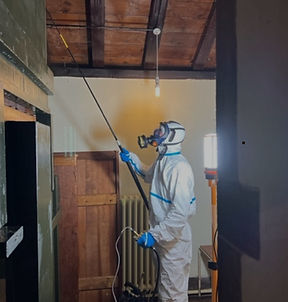
Depending on the circumstances, professional bed bug management may involve carefully selected heat or steam treatments, authorised insecticides, monitoring and follow-up inspections.
An integrated pest management (IPM) approach considers the level of activity, building conditions, occupants and the most suitable combination of measures.
For care homes and supported housing, treatment planning should also take account of residents' needs and the safe continuation of essential services.
Successful bed bug management is not simply about treating a mattress. It involves identifying the problem, managing the affected areas and checking that control measures have worked.
Bed Bug Awareness Should Be Part of Routine Staff Training
The people most likely to notice the early signs of bed bugs are not always pest control technicians.They may be housekeepers changing bed linen, carers helping someone prepare for bed, or housing officers carrying out routine visits.
Staff awareness training should therefore cover more than identifying the insect itself.
Employees should understand how to recognise suspicious evidence, record concerns, report them promptly and avoid actions that could spread an infestation.
Managers should make these reporting procedures easily accessible, particularly for agency staff, night teams and new starters.
Professional Bed Bug Advice in Herefordshire and Worcestershire
If you manage a hotel, care home, supported housing property or other residential accommodation in Herefordshire or Worcestershire, early professional advice can help you make informed decisions when bed bugs are suspected.
PGM & Son Pest Control provides professional bed bug inspections and treatment services, with BPCA membership and RSPH-qualified technicians.
Our government approved pest control team can assess suspected activity, advise on suitable treatment options and explain practical steps to help reduce the risk of further spread.
Concerned about bed bugs in your premises?
Contact PGM & Son Pest Control on 01981 540088 for advice or to arrange an assessment or email us contact@pgmpestcontrol.co.uk.
Read more about our professional bed bug control services for properties across Herefordshire and Worcestershire.