Drone Roof Surveys for Bird Control

Birds nesting or roosting on residential roofs can cause serious problems. They leave droppings that damage roofing materials, block gutters, and create health risks. Traditional roof inspections to identify bird activity can be difficult, time-consuming, and sometimes unsafe.
Drone roof surveys for bird control offer a modern, efficient way to assess bird presence and damage on roofs, especially for residential properties with difficult-to-access roofs.
All drone operations should be carried out in accordance with Civil Aviation Authority (CAA) regulations by appropriately qualified operators

Why Bird Control Matters for Residential Properties
Birds such as pigeons, gulls and starlings commonly choose residential roofs as nesting and roosting sites. Their droppings are highly acidic and, over time, can damage roof tiles, flashing, solar panels and other building materials. Nests and debris can also block gutters and downpipes, leading to water damage, damp issues and costly repairs.
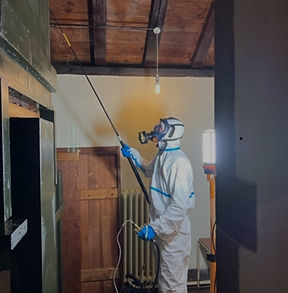
Beyond property damage, bird droppings may contain bacteria and fungal spores, making it important to clean contaminated areas safely and address bird activity promptly.
For residential properties where nuisance birds are common, early detection is key. Regular roof inspections help identify nesting activity before it becomes a larger problem, allowing effective bird proofing measures to be installed and helping protect both your property and its long-term value.
How Drone Roof Surveys Work for Bird Control
Drones equipped with high-resolution cameras fly over and around the roof, capturing detailed images and videos. Some drone surveys may also use thermal imaging where appropriate to help identify heat loss, moisture ingress or other roof defects that may require further investigation.
While thermal imaging is not used to detect birds directly, it can provide valuable additional information about the condition of the roof.
These surveys reveal:
Visible bird nests and roosting locations
Accumulated bird droppings (bird fouling)
Damaged roof tiles, flashing and ridge lines
Blocked gutters, valleys and rainwater outlets
Bird activity beneath solar panels
Potential access points into roof spaces and lofts
The drone’s ability to reach difficult or steep roof sections makes inspections safer and more thorough than manual checks. The images collected allow bird control specialists to plan targeted interventions without guesswork.
Benefits of Using Drones for Bird Control Surveys
Safety: No need for ladders or climbing on fragile roofs
Speed: Surveys take minutes rather than hours
Accuracy: High-quality images reveal small nests and damage
Cost-effective: Early detection reduces expensive repairs
Documentation: Visual records help track bird activity over time
Early detection helps prevent more extensive roof repairs, reducing long-term maintenance costs.

For example, a homeowner in Herefordshire contacted PGM Pest Control for a drone roof survey after noticing pigeon activity around their home. The survey identified hidden nests beneath the roof eaves, allowing us to install bird spikes only where they were needed, reducing unnecessary work and providing an effective long-term bird proofing solution.
What Bird Problems Can a Drone Survey Identify?
Drone inspections are particularly effective for identifying:
Pigeon Infestations
Pigeons frequently nest beneath solar panels, behind chimney stacks and along roof ridges. Drone imagery allows these areas to be inspected without immediately accessing the roof.
Gull Nesting
Gulls commonly build nests on flat roofs, commercial buildings and residential properties. Early identification helps ensure appropriate advice is provided while complying with wildlife legislation.
Nesting Beneath Solar Panels
Solar panels provide shelter, warmth and protection from predators, making them attractive nesting sites for pigeons. Drone surveys help identify nesting activity and assess whether solar panel proofing mesh is required.
Property Damage
Bird activity can lead to blocked gutters, broken roof tiles, damaged flashing, contaminated insulation, fouled solar panels and accelerated deterioration of roofing materials. Identifying these problems early helps reduce repair costs and prevent further structural damage.
When Is a Drone Survey Recommended?
A drone roof survey may be recommended if:
You have birds nesting on your roof
Pigeons are living beneath your solar panels
Bird activity cannot be seen clearly from ground level
Your roof is difficult or unsafe to access
You would like a professional assessment before installing bird proofing
You have noticed bird droppings, feathers or nesting materials but cannot identify the source
Practical Steps After a Drone Roof Survey
Once the drone survey identifies bird activity, homeowners can take effective action:
Install bird deterrents such as spikes, netting, or wire coils in problem areas
Clean gutters and downspouts to prevent water damage
Repair damaged tiles or flashing to maintain roof integrity
Schedule regular drone surveys to monitor ongoing bird activity
Professional bird control solutions often combine drone surveys with humane bird deterrent methods. Providing clear, property-specific recommendations where bird proofing is necessary.
Depending on the survey findings, this may include:
Bird spikes
Bird wire systems
Bird netting
Solar panel proofing mesh
Nest management where legally permitted
Bird fouling cleaning and prevention advice
Professional bird control companies often combine bird waste cleaning, biohazard cleaning and humane bird proofing solutions. Removing bird droppings not only improves the appearance of your property but also helps reduce contamination, protects roofing materials and ensures bird proofing systems can be installed effectively.
Every recommendation is based on the specific bird species, the level of activity and the construction of your property. This approach protects the home while respecting local wildlife regulations.
Choosing a Drone Survey Service
When selecting a drone survey provider, consider:
Experience with residential bird control inspections
Use of high-resolution cameras and GPS mapping
Ability to provide detailed reports with images
Knowledge of local bird species and regulations
Insurance and safety certifications
A reliable service will explain findings clearly and recommend practical next steps tailored to your home.

Why We Use Drone Surveys Before Bird Proofing
Every property is different. A drone survey allows us to assess the exact cause and extent of bird activity before recommending any bird proofing system.
Rather than installing unnecessary deterrents, we use detailed aerial imagery to identify where birds are nesting, how they are accessing the roof and which proofing solution is most appropriate.
This helps ensure homeowners receive an effective, tailored recommendation that addresses the problem without unnecessary work or expense.
Frequently Asked Questions
Can a drone see bird nests on a roof?
Yes. High-resolution drone cameras can identify visible nests, bird droppings, nesting materials and areas of bird activity on most residential roofs. Hidden nests inside loft spaces or enclosed roof voids may still require further inspection.
Are drone roof surveys safe?
Yes. Drone surveys reduce the need for immediate working at height and allow large areas of roofing to be inspected safely from the ground.
Can drones inspect solar panels for birds?
Yes. Drone surveys are particularly effective for identifying pigeons nesting beneath solar panels, damaged proofing, nesting materials and fouling around photovoltaic systems.
Will I receive photographs from the survey?
Where appropriate, photographs or video footage can be shared to help explain our findings and support our recommended bird control solution.
Why use a drone instead of binoculars?
Although binoculars can help identify obvious bird activity, they cannot provide the same level of detail as a drone inspection. A drone captures close-up aerial images of roof ridges, chimney stacks, valleys, solar panels and gutters, allowing hidden nesting sites and property damage to be identified far more accurately.
How long does a drone roof survey take?
Most residential drone roof surveys take between 20 and 45 minutes, depending on the size and complexity of the property. Additional time may be required to review the images and prepare recommendations.
Can drone surveys identify roof damage?
Yes. In addition to bird activity, drone surveys can often identify slipped roof tiles, damaged flashing, blocked gutters, moss growth and other visible defects. Where significant defects are found, further inspection by a roofing professional may be recommended.
Final Thoughts on Drone Roof Surveys for Bird Control
Birds can cause serious damage to roofs if left unchecked. Drone roof surveys for bird control provide a safe, fast, and accurate way to identify bird activity and damage. Homeowners in Herefordshire and Worcestershire benefit from early detection and targeted solutions that protect their homes and reduce repair costs.
If you suspect bird problems on your roof, consider scheduling a drone survey. The clear images and expert insights will help you take effective action before small issues become costly repairs. Protect your home with modern technology that makes bird control easier and more efficient.
Arrange a Professional Drone Roof Survey
If you have noticed birds nesting on your roof, beneath your solar panels or around your property, a professional drone roof survey provides a safe and efficient way to identify the problem.
Our experienced BPCA technicians carry out detailed inspections and recommend humane, long-lasting bird control solutions tailored to your home, helping protect your property from nuisance birds and the damage they can cause. Choose the right bird proofing system for your home >