Where Do Bed Bugs Hide?

Updated: Sep 25
Table of Contents
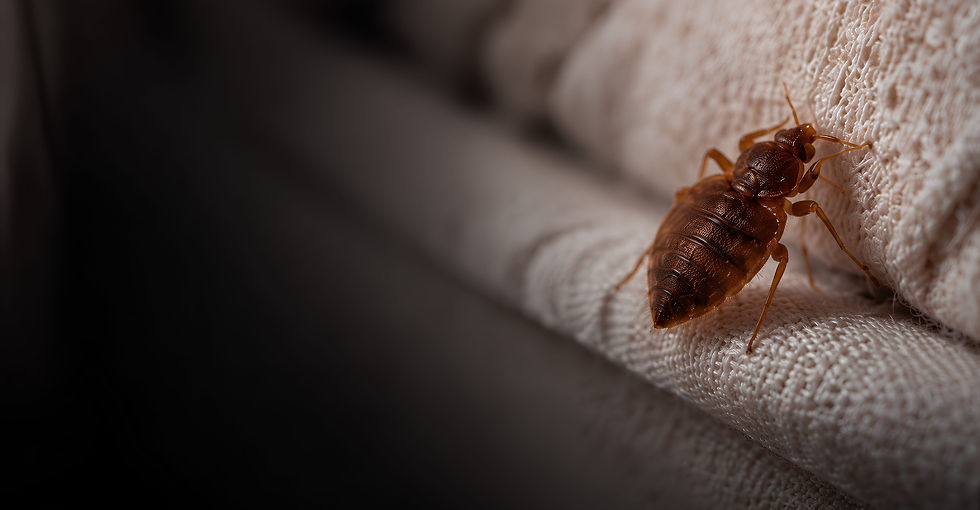
Bed bugs hide in dark, narrow and undisturbed spaces close to where people sleep or rest. In early infestations they are usually concentrated around beds and nearby furniture, but established activity can spread into surrounding cracks, fittings and adjoining areas.
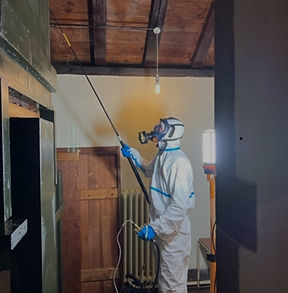
Our BPCA-accredited technicians inspect homes, hotels and HMOs daily across Herefordshire and Worcestershire for hidden bed bug activity.
Where do bed bugs hide most often?
The most common harbourage areas include:
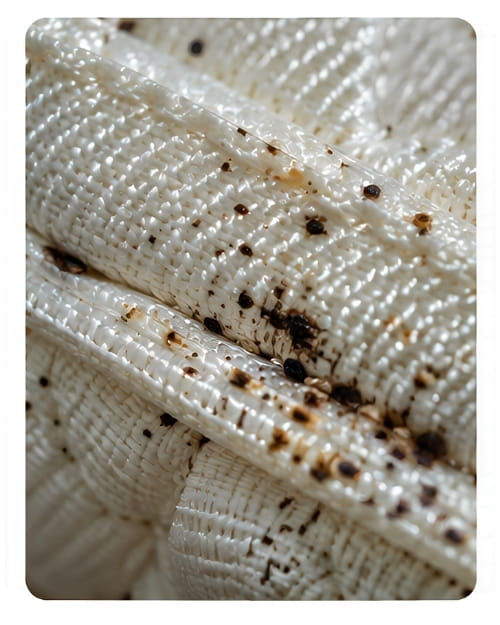
Mattress seams, piping and labels
Bed frame joints and screw holes
Headboards
Divan bases
Bedside furniture
Sofa seams and upholstered furniture
Skirting boards
Cracks and crevices

Bed bugs prefer protected areas where they can remain concealed between feeds.
Do bed bugs hide in mattresses?
Yes. They are commonly found around mattress seams, stitching, piping and labels, particularly close to the edges of the bed.
They are less likely to sit openly on the sleeping surface.
Do bed bugs hide in bed frames and headboards?
Yes. Bed frames and headboards are among the most important areas to inspect.
Bed bugs may hide in:
Joints
Screw holes
Timber cracks
Slats
Upholstered seams
Gaps behind headboards

Can bed bugs hide in sofas?
Yes. Sofas and chairs can provide suitable harbourage areas, especially where people regularly sit or sleep.
Check seams, cushion edges, fabric folds and frame joints.
Can bed bugs hide behind skirting boards?
Yes. More established infestations may spread into gaps behind skirting boards, wall cracks, floor gaps and other structural crevices.
This is one reason treating only the mattress may not resolve an infestation.

Can bed bugs hide in clothes or luggage?
Bed bugs do not normally live on clothing, but they can be transported in:
Clothes
Laundry
Bags
Suitcases
Stored textiles
Luggage seams, pockets and linings can provide temporary hiding places.
Where should you check first?
Start with the areas closest to where people sleep:
Mattress seams
Headboard
Bed frame
Divan base
Bedside furniture
Nearby sofas or chairs
Skirting and cracks
Look for live bed bugs, dark spotting, eggs and cast skins.
Why professional inspection matters
Bed bugs can hide in extremely small cracks and gaps, and visible insects may represent only part of the infestation.
A professional inspection helps identify:
Where bed bugs are hiding
How far activity has spread
Which rooms are affected
The most appropriate treatment
Think you may have bed bugs?
If you suspect bed bug activity but cannot find the source, speak to our BPCA-accredited team for expert identification and advice on the best next step. Call us on 01981 540088 or contact us for free help, support and guidance on Bed Bug Control Treatments.