Does Professional Rat Control Always Use Poison?

Professional rat control does not always involve poison. Although rodenticides remain an important option for managing rat infestations, they are not automatically the first or most appropriate solution.
Navigation
A qualified pest control technician should assess the infestation, identify potential entry points and consider the risks to people, pets, wildlife and the surrounding environment before recommending treatment.
At PGM & Son Pest Control, our approach to rat control across Herefordshire and Worcestershire is based on Integrated Pest Management (IPM), combining professional inspection, suitable treatment methods and practical prevention measures.
Why Rat Control Should Start With an Inspection, Not Poison
Finding rats in your home, garden, business premises or outbuildings can cause significant stress, anxiety, and disruption. Understandably, most people want the problem dealt with as quickly as possible.
However, effective rat control begins by understanding the problem rather than immediately choosing a treatment.
A professional rat inspection helps establish:
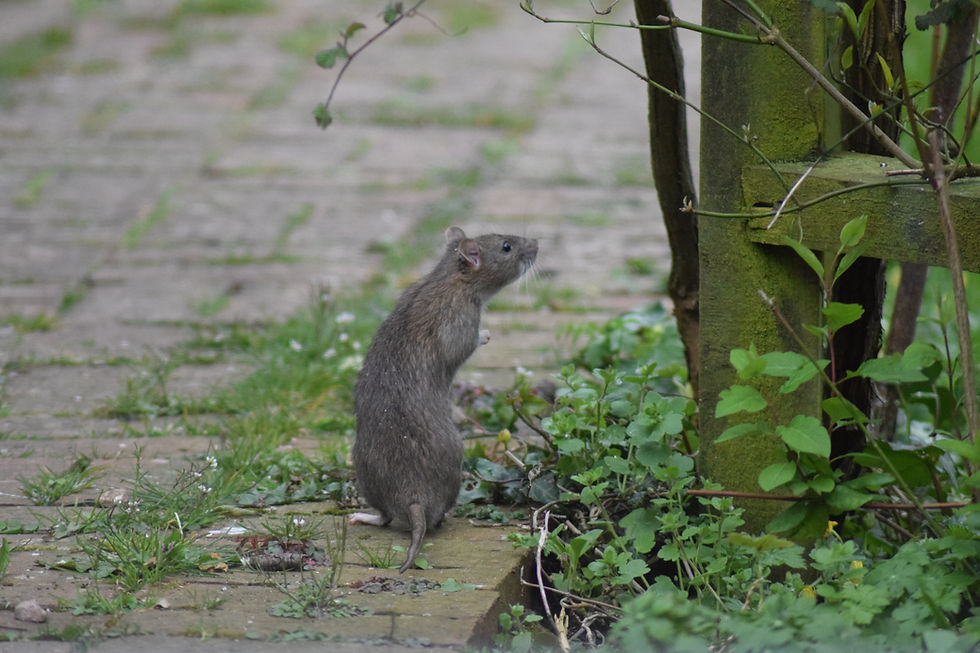
Where rats are active: Identifying droppings, burrows, gnaw marks, runs and other evidence of infestation.
How rats are entering: Checking possible access points around buildings, drainage systems, foundations and roof spaces.
What is supporting the infestation: Assessing available shelter, food sources and environmental conditions.
Who or what could be affected by treatment: Considering children, pets, livestock, wildlife and neighbouring properties.
Which control methods are appropriate: Assessing whether exclusion, trapping, environmental improvements or rodenticides are justified.
The findings help the technician develop a treatment plan suited to the property and the circumstances.
Not every rat infestation requires the same treatment
Can Rats Be Controlled Without Poison?
Yes. Depending on the location, scale and nature of the infestation, rats can sometimes be controlled using non-chemical methods.
The HSE recommends considering non-chemical control before rodenticides as part of an integrated approach.
1. Rat Proofing and Exclusion
Identifying and securing entry points can prevent rats entering buildings. Measures may include repairing damaged materials, fitting suitable barriers and addressing gaps around pipes, doors and other vulnerable areas.
2. Professional Rat Trapping
Appropriate traps can provide targeted control without rodenticide. Their suitability depends on the environment, rat behaviour, animal welfare considerations and whether equipment can be safely positioned, checked and maintained.
3. Environmental Management
Removing unnecessary clutter, reducing available harbourage and improving waste management can make a property less attractive to rats. These measures also help reduce the likelihood of further activity after treatment.
4. Drainage Investigation and Rat Prevention
Damaged drains, defective pipework and drainage connections can sometimes provide rats with routes towards buildings. Where drainage activity is suspected, a specialist investigation may be needed. A suitable one-way rat drain blocker may form part of the prevention work.
5. Rat Monitoring and Follow-Up
Monitoring helps establish whether rats are still active and whether control measures are working. Follow-up inspections may identify additional entry points or conditions that need attention.
Non-chemical methods can be highly valuable, but they are not suitable for every situation. Some infestations require a combination of approaches to achieve effective control.
When Might a Professional Pest Controller Use Rat Poison?
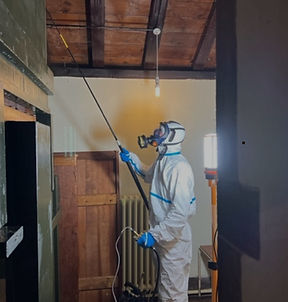
Rodenticides may be considered where an inspection and risk assessment establish that their use is necessary and appropriate. For example, a substantial or established infestation may present serious public health, hygiene or property risks, and non-chemical methods alone may not be sufficient or practical.
A professional technician must consider the treatment location, the severity of the problem, the available alternatives and the potential for exposure to non-target animals.
Any rodenticide selected must be authorised for the intended use and applied in accordance with its product label and relevant UK stewardship requirements.
Using poison is not evidence of poor pest control. Using it without proper justification, assessment or safeguards is the concern.
Not all rat poisons are anticoagulants. Professional pest controllers can also use authorised non-anticoagulant rodenticides, such as cholecalciferol, where appropriate following an inspection and risk assessment
Rodenticides can play an important role in protecting public health and food safety. However, relying on them without addressing entry points and conditions that support rat activity may leave a property vulnerable to further infestations.
Is Professional Rat Poison Safe for People, Pets and Wildlife?
Professional rodenticides are subject to authorisation, restrictions and safety requirements, but no rodenticide treatment should be described as completely risk-free.
Some rodenticides contain anticoagulants that interfere with blood clotting. These products can present risks to humans, pets, livestock and wildlife if exposure occurs. Case Study: Anti-Coagulants vs Cholecalciferol in Professional Rodent Control
There are two particularly important environmental concerns. Primary poisoning occurs when a non-target animal directly consumes rodenticide bait.
Secondary poisoning can occur when predators or scavengers consume rodents that have ingested rodenticide. Birds of prey, including barn owls, are among the wildlife species of concern.
This is particularly relevant in rural areas of Herefordshire and Worcestershire, where farmland, gardens, agricultural buildings and wildlife habitats may be close to properties experiencing rat activity.
Professional risk assessments, appropriate treatment selection, safeguards, monitoring and correct disposal procedures help reduce these risks. They cannot eliminate every possibility of environmental exposure.
What Did the Latest HSE Rodenticide Review Find?
On 3 November 2026, HSE published the findings of the UK Rodenticide Stewardship Government Oversight Group's independent review.
The review recognised that the UK's rodenticide stewardship arrangements had improved professional competence, restricted access to professional products and introduced important monitoring and safeguards.
However, it also identified an outstanding environmental concern: there had been no measurable reduction in total second-generation anticoagulant rodenticide residues in barn owls compared with the baseline established before stewardship.
The recommendation was not to abandon rodenticides, but to continue and strengthen the existing stewardship system through better monitoring, research and support for users
These findings reinforce the importance of making informed decisions about when rodenticides are necessary and how their risks can be reduced.
For further information, read the HSE's official announcement on rodenticide stewardship.
Why PGM Has Moved Away From Anticoagulant Rat Poisons
Nearly two years ago, PGM & Son Pest Control made the decision to move away from routinely using anticoagulant rodenticides as part of our commitment to responsible pest management.
Where a rodenticide is necessary and appropriate, our technicians now predominantly use Selontra, a non-anticoagulant rodenticide containing cholecalciferol (vitamin D3). Case study on using Selontra
Unlike traditional anticoagulant rat poisons, cholecalciferol is not persistent in the environment and is considered to present a lower risk of secondary poisoning to wildlife, including birds of prey.
However, lower risk does not mean risk-free. Selontra remains a professional rodenticide that requires careful assessment, appropriate application and monitoring.
Selontra is generally more expensive than many conventional anticoagulant baits, but for PGM, choosing an appropriate treatment and reducing unnecessary environmental risks are more important than simply selecting the cheapest product.
Our priority is effective rat control, using methods that minimise risks to people, pets, wildlife and the wider environment wherever reasonably possible
How PGM Approaches Responsible Rat Control
PGM & Son Pest Control follows the Campaign for Responsible Rodenticide Use (CRRU) UK Code of Best Practice and employs RSPH-qualified pest control technicians.
Our approach considers the wider circumstances of a rat infestation, not simply the quickest way to reduce visible activity.
This includes assessing suitable control methods, considering possible risks to non-target species and advising customers on measures that can help prevent recurring problems.
As members of the British Pest Control Association (BPCA) and National Pest Technicians Association (NPTA), we recognise the importance of professional standards, continuing training and responsible rodent management.
Where rodenticides are required, their use must be justified, appropriately managed and compliant with the relevant product and stewardship requirements.
Our aim is to provide effective rat control while minimising unnecessary chemical use and environmental exposure.
Read more about PGM's approach to environmentally responsible pest control.
Why Removing Rats Is Only Part of the Solution
Successfully reducing an infestation does not necessarily prevent new rats from accessing a property. If entry points remain open, drainage defects go unresolved or suitable harbourage is still available, further activity may develop.
This is why professional rat control should also consider long-term prevention
Where rats are suspected of travelling through drainage systems, an investigation may identify damaged pipework or vulnerable connections requiring attention.
For suitable drainage systems, a professionally installed one-way rat drain blocker may provide a poison-free preventative measure.
However, rat blockers do not remove existing infestations or repair damaged drains, and they require appropriate assessment, installation and maintenance.
Find out more about PGM's rat drain blocker installation process.
Who Gives a Rat’s Arse? We Do.
At PGM & Son Pest Control, responsible rat control goes beyond treating an existing infestation. Preventing unnecessary rat activity is just as important.
That's why we launched our “Who Gives a Rat’s Arse?” winter rat awareness campaign across Herefordshire and Worcestershire.
Our own 2025 pest activity data records showed that 48% of reported pest activity involved rodents — a figure we would like to see fall.
The campaign encourages households, landlords and businesses to take five simple actions to reduce the food and shelter available to rats:
Shut it. Pick it up. Store it. Clear it. Report it.

By making small changes around our homes, workplaces and communities, we can all play a part in reducing avoidable rat activity and the need for pest control treatments. Caring costs nothing. Don’t feed rats.
Read more about our Who Gives a Rat’s Arse? winter rat awareness campaign.
Frequently Asked Questions About Rat Poison and Professional Rat Control
1. Does every professional pest controller use rat poison?
No. Professional pest controllers have access to different control methods, including trapping, proofing, monitoring and environmental management. Rodenticides may be considered when justified by the infestation and site-specific risk assessment.
2. Can a professional get rid of rats without poison?
Yes, in some circumstances. Effective poison-free rat control depends on the infestation's location, severity and accessibility, as well as the suitability of available trapping, exclusion and preventative methods. A professional inspection helps establish the most appropriate approach.
3. Is professional rat poison safe around dogs and cats?
Rodenticides can be dangerous to pets if exposure occurs. Professional treatment includes assessing those risks and taking appropriate precautions, but it cannot guarantee zero risk. Customers should always be informed of relevant safety measures. If you suspect your pet has consumed rodenticide or a poisoned rodent, don't wait, contact a vet immediately.
4. Can rat poison harm owls and other wildlife?
Yes. Certain rodenticides can affect wildlife through direct exposure or secondary poisoning when predators or scavengers consume contaminated rodents. Responsible rodenticide use aims to minimise these risks through careful treatment selection, safeguards and monitoring.
5. What is the safest way to deal with rats in my home or business?
The appropriate approach starts with identifying the infestation and assessing the property. A qualified pest control technician will recommend suitable control measures, explain the risks and advise on preventing further rat activity.
Professional Rat Control in Herefordshire and Worcestershire
If you have noticed signs of rats around your home, business premises or outbuildings, PGM & Son Pest Control will help assess the problem and recommend an appropriate treatment plan.
Our RSPH-qualified level 2 and 3 technicians provide professional rat control across Herefordshire and Worcestershire, including Hereford, Worcester, Leominster, Bromyard, Ross-on-Wye, Ledbury, Malvern, Bromsgrove, Redditch, Kidderminster and surrounding rural communities.
GOT RATS? THINK PGM!
Call 01981 540088 or contact PGM to discuss your rat problem. Get a fixed-price quote, what we quote is what you pay!
You can also read more about our professional rat control and removal services.